Major Jeep recalls in the United States and what owners should do
A number of recent recalls on Jeep vehicles in the United States have highlighted owner safety. Stellantis, the parent corporation of Jeep, has made moves to correct a series of flaws that may impact vehicle safety and reliability. If you own a Jeep, you should know which models are included, what the issues are said to be, and what to do if your vehicle is involved.
Which Jeep models are included?
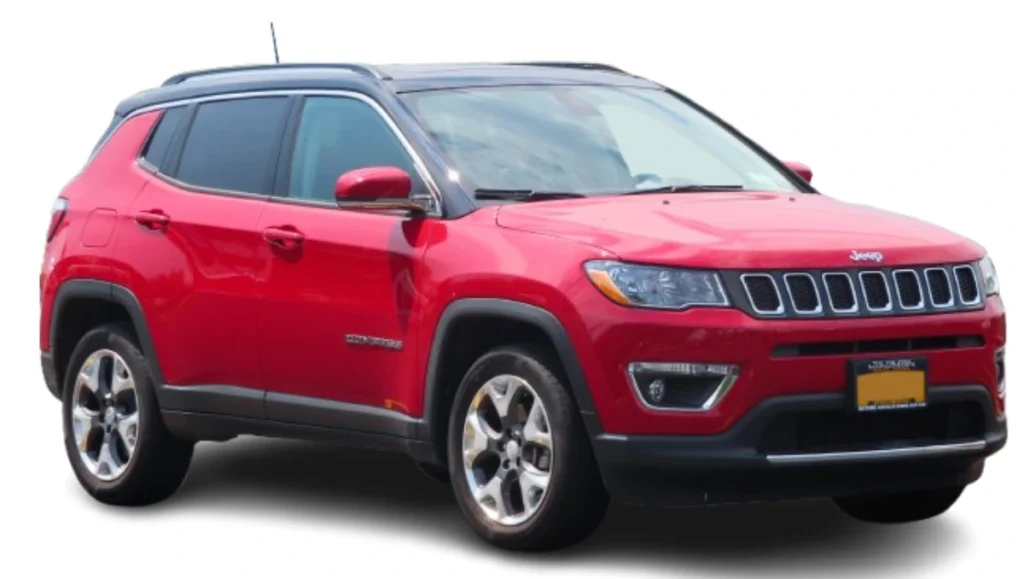
The recalls involve several Jeep nameplates over recent model years. Models included are plug-in hybrid models like Wrangler 4xe and Grand Cherokee 4xe, along with upper-end Wagoneer and Grand Wagoneer vehicles, as well as some Grand Cherokee and Grand Cherokee L SUVs. Some Wrangler and Gladiator builds were also part of targeted campaigns. The specific model years and construction ranges differ between recalls, so the first thing to do is check your vehicle identification number, or VIN, to see if your vehicle is included.
Main problems initiating the recalls
Risk of fire caused by battery in PHEV models
Certain plug-in hybrid electric Jeep vehicles have been recalled due to a possible risk of fire from damage to the high-voltage battery. The condition can develop while parked or during charging of the battery. Owners of impacted PHEVs have been instructed not to charge at home or public charging stations until repairs are made and to park outdoors, away from buildings. Stellantis is conducting inspections, software over-the-air updates, and battery replacements where necessary to reduce the risk.
Loose interior or exterior trim components
In other recalls, some Wagoneer and Grand Wagoneer vehicles were recalled since interior or exterior trim components may come loose from the doors. Loose trim on the move can pose a risk to occupants or other drivers. Dealers will inspect attachment points and replace or tighten loose trim pieces as needed.
Rear seat head restraint problems
A recall for certain Grand Cherokee and Grand Cherokee L models found a second-row head restraints defect where the head restraints may not properly latch in the upright position. Head restraints that don’t lock can decrease protection in some types of crashes. Vehicles that are affected will have replacement head restraints installed free of charge to the owner.
Instrument panel cluster failures
A batch of Wranglers and Gladiators were recalled for possible failures of the instrument panel cluster display. Drivers have no access to speed, warning lights, and other important information once the instrument cluster blanks out. Dealers will replace the instrument cluster wherever necessary and install upgraded units to fix the problem.
What Stellantis and Jeep are doing
Stellantis has been alerting owners with official notice by mail and direct mail. The company is working with its dealership network to offer free repair and inspection. Fixtures range from software updates for vehicle control, to physical component replacement like head restraint and trim, to in more severe instances battery inspection or replacement.
For most of these matters the manufacturer is issuing interim guidance to owners. For instance, PHEV owners with the battery issue have been requested to discontinue charging the vehicle until the fix is installed and to park the vehicle outdoors as a precautionary step. Dealers will do the permanent repairs for free.
What owners need to do now
Verify your VIN
Visit the official Jeep or NHTSA recall look-up sites and input your VIN to determine if your vehicle is subject to any open recalls. This is the best way to verify if your vehicle is due for service.
Adhere to safety advice
If you have a recall notice, heed any interim guidance from the manufacturer. For PHEV owners, that might mean not charging the vehicle and not parking in a closed space until the vehicle is inspected.
Schedule a dealer appointment
If your vehicle has an affected designation, call an authorized Jeep dealer to make the free fix appointment. Do not pay out of pocket for service that is within an open recall.
Keep documentation
Save any service records and recall letters pertinent to the repair. These can prove helpful if issues later develop, or if you resell the vehicle.
Why these recalls are important
The Jeep recalls of late reveal the way contemporary cars, particularly those with electrified powertrains, can pose new types of safety and reliability issues. Battery technology makes things more complex and necessitates high-quality control as electrification moves up to volumes. Meanwhile, recalls emphasize the value of early detection, clear communication, and swift remediation by manufacturers.
Recalls can also impact customer trust and brand reputation. If manufacturers are responsive to defects by fixing them in a timely manner with no charge to the owner, it serves to restore confidence. For owners, acting promptly on recall notices safeguards personal safety and diminishes the risk of future repairs at greater expense.
Final thoughts
If you are a Jeep owner, take some time to review your VIN and any outstanding recalls. The availability of online search resources and dealer assistance makes it easy to determine if your vehicle requires service. If recalls include safety components, following manufacturer recommendations and prompt repairs are paramount. Stellantis and Jeep have defined fixes and dealer procedures for affected vehicles, and prompt owners can minimize risk and be back on the road with confidence.
—