Bajaj to Enter Electric Motorcycle Space – A New Era for Indian Two-Wheelers
The long-anticipated moment has arrived: Bajaj to enter electric motorcycle space with an all-new, homegrown platform. For years, Bajaj Auto has been one of India’s most respected motorcycle manufacturers — known for its engineering strength, design innovation, and value-driven models. But now, the company is steering into an entirely new direction that could reshape India’s two-wheeler industry forever.
This move marks a significant milestone, not just for Bajaj, but for India’s electric mobility story. The brand that gave us iconic bikes like the Pulsar and Dominar is ready to merge legacy with innovation — proving that performance and sustainability can thrive together.
Bajaj to Enter Electric Motorcycle Space – Why It Matters
The announcement that Bajaj to enter electric motorcycle space isn’t just another corporate headline. It’s a turning point. Bajaj Auto’s leadership confirmed the development of an entirely new electric motorcycle platform, designed and engineered in-house. This project will spawn multiple models ranging from everyday commuter bikes to high-performance EVs, giving Bajaj a head start in one of the fastest-growing vehicle categories.
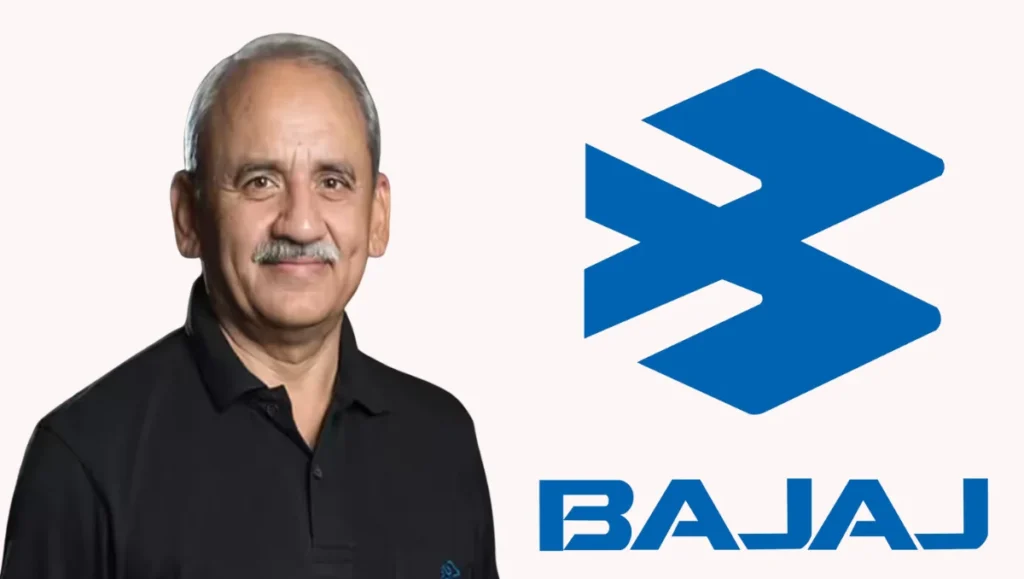
Executive Director of Bajaj Auto, Rakesh Sharma said that the company is putting “vigorous R&D effort” focused on multiple electric motorcycle use cases. “There are some use cases, both in the entry-level and high-end sporting space, in India and globally,” he said. “But these are very difficult to predict. Still, we are in this game.”
Unlike most of its competitors, Bajaj is not repurposing scooter platforms or modifying petrol chassis for electric use. Instead, it’s creating an EV foundation from scratch, ensuring the final product delivers balance, range, and efficiency — hallmarks of a truly global design philosophy.
A Homegrown Platform Built for the World
At the core of Bajaj to enter electric motorcycle space is this new modular EV platform. Reports suggest that it will cater to multiple motorcycle categories, giving Bajaj the flexibility to introduce entry-level, mid-segment, and even sport-oriented electric bikes.
This in-house architecture will enable Bajaj to control every aspect of design and development — from motor calibration and battery chemistry to software and connected features. By keeping everything under one roof, Bajaj can fine-tune its EVs for India’s climate, roads, and riding habits, while maintaining competitive pricing.
The company is also likely to leverage its experience from the Chetak Electric Scooter, which has already proven Bajaj’s EV capabilities. With insights from the Chetak project, Bajaj now aims to elevate its electric expertise into the motorcycle segment, where speed, range, and performance are paramount.
A Vision Aligned with India’s EV Future
The decision for Bajaj to enter electric motorcycle space comes at a time when India’s EV ecosystem is maturing rapidly. Government incentives, better charging infrastructure, and shifting consumer sentiment have created fertile ground for high-quality electric two-wheelers.
While electric scooters currently dominate the market, electric motorcycles remain relatively untapped. This is exactly where Bajaj sees opportunity — targeting riders who want more than convenience; they want emotion, performance, and reliability.
By entering early and investing heavily in R&D, Bajaj can define the benchmarks for electric motorbikes, much like it did with the Pulsar brand two decades ago.
Engineering for the Real World
When Bajaj to enter electric motorcycle space, one thing is certain — the company will focus on real-world usability over flashy specifications. The upcoming EV bikes are expected to feature strong torque delivery, lightweight design, and optimized suspension setups to handle Indian terrains.
Durability and battery longevity will be crucial. Bajaj’s experience in building motorcycles for developing markets gives it a clear edge — it understands how to balance power, efficiency, and cost in challenging environments.
Additionally, Bajaj’s established dealer network and service ecosystem will provide much-needed confidence to first-time EV buyers who may be skeptical about maintenance and long-term reliability.
Performance Meets Technology
Expect Bajaj’s new electric bikes to offer a balance between excitement and practicality. The brand is expected to introduce models with advanced riding modes, regenerative braking, and connected features via smartphone integration.
Bajaj’s electric motorcycles may also use a liquid-cooled motor and high-capacity battery packs for consistent performance. The company is reportedly working on software-based performance tuning — giving riders a choice between eco-friendly commutes and thrilling rides at the twist of a throttle.
This combination of mechanical excellence and digital innovation reinforces Bajaj’s ambition to be at the forefront of smart mobility.
Challenges Ahead and How Bajaj Plans to Tackle Them
While the excitement around Bajaj to enter electric motorcycle space is justified, challenges remain. Range anxiety, charging infrastructure, and high battery costs still concern many buyers.
However, Bajaj’s strength lies in its ecosystem. It already collaborates with multiple partners for EV components and has a strong presence in exports — giving it economies of scale. As infrastructure improves and costs decline, Bajaj’s entry could push electric motorcycles into the mainstream faster than anyone expects.
Industry Impact – Setting the Benchmark for Others
Once Bajaj to enter electric motorcycle space, the entire Indian two-wheeler market will likely feel the ripple effect. Bajaj’s brand credibility and massive distribution network will bring legitimacy and visibility to electric motorcycles like never before.
This move also pressures rivals such as Hero MotoCorp, TVS, and newcomers like Ola Electric to accelerate their own motorcycle projects. In many ways, Bajaj’s entry could become the defining moment that transitions the Indian motorcycle industry from petrol dominance to electric leadership.
Moreover, Bajaj’s innovation could influence not only domestic sales but exports too. As developing markets seek affordable and sustainable transportation, electric bikes designed in India may soon be seen across Southeast Asia, Africa, and Latin America.
Final Thoughts
When we say Bajaj to enter electric motorcycle space, it’s not just a headline — it’s a vision unfolding. Bajaj Auto is preparing to bridge the gap between tradition and transformation, between gasoline heritage and green technology.
With its powerful engineering base, deep market understanding, and bold innovation, Bajaj is ready to redefine what Indian motorcycles can be in the EV era.
If executed right, Bajaj’s electric motorcycles could replicate the success story of the Pulsar — this time for an electric age. The company’s step into electric motorcycles isn’t just evolution; it’s revolution.
For Indian riders and the global market, one thing is clear — the future of performance is electric, and Bajaj is leading the charge.
FAQs – Bajaj to Enter Electric Motorcycle Space
1. Why is Bajaj to enter electric motorcycle space?
Bajaj to enter electric motorcycle space to expand its innovation into sustainable mobility and meet the growing demand for electric vehicles in India. With its new homegrown EV platform, Bajaj aims to deliver high-performance electric bikes that combine power, range, and affordability for Indian riders.
2. What is Bajaj’s plan for its new electric motorcycle platform?
Bajaj to enter electric motorcycle space with a modular EV platform developed completely in-house. This platform will support multiple bike categories, from commuter motorcycles to high-performance models, ensuring flexibility, scalability, and advanced technology integration.
3. Which models will be part of Bajaj’s electric motorcycle lineup?
While Bajaj Auto hasn’t revealed specific models yet, reports suggest that the company may introduce an electric version of its popular Pulsar lineup. The new range will be based on Bajaj’s homegrown EV architecture designed for Indian roads and conditions.
4. When will Bajaj launch its first electric motorcycle in India?
The official launch timeline for Bajaj’s electric motorcycles has not been confirmed, but industry reports hint at an expected debut in 2026. Bajaj Auto is currently in advanced stages of platform development and testing before mass production begins.
5. How is Bajaj’s electric motorcycle different from other EVs?
What sets Bajaj’s electric motorcycles apart is their completely new EV architecture. Unlike competitors that modify existing petrol-bike designs, Bajaj to enter electric motorcycle space with a platform built from scratch — ensuring superior performance, efficiency, and safety.
6. Will Bajaj’s electric motorcycles offer good range and performance?
Yes, Bajaj’s upcoming electric motorcycles are expected to deliver a competitive range and strong acceleration. With advanced battery chemistry, efficient power management, and lightweight construction, these bikes will provide both city-friendly mileage and highway capability.
7. What technology will Bajaj use in its electric motorcycles?
Bajaj to enter electric motorcycle space with cutting-edge EV technology. The bikes will likely feature connected features through a smartphone app, regenerative braking, riding modes, and possibly liquid-cooled motors for enhanced performance and reliability.
8. How will Bajaj ensure affordability of its electric motorcycles?
Bajaj’s focus is on local development and production to keep costs low. By designing the entire electric platform in India and using its existing supplier ecosystem, Bajaj aims to make high-quality electric motorcycles affordable for the mass market.
9. Will Bajaj export its electric motorcycles to other countries?
Yes, Bajaj plans to use its global manufacturing footprint to export its electric motorcycles to emerging markets in Asia, Africa, and Latin America. These regions have growing demand for cost-effective, eco-friendly two-wheelers — aligning perfectly with Bajaj’s strategy.
10. How will Bajaj’s entry impact the Indian EV motorcycle market?
Bajaj to enter electric motorcycle space will be a game-changer for the Indian two-wheeler industry. Its entry will accelerate EV adoption, push competitors like Hero, TVS, and Ola to innovate faster, and help establish India as a major hub for electric motorcycle production.
—