Tata Motors PV Q2 Posts Heavy Loss as Cyberattack on JLR Cripples Operations
Tata Motors has seen its fair share of tough quarters, but nothing in recent years compares to what unfolded this time. The headline numbers initially looked strong due to a huge one-time gain, but the operational truth was far more alarming. Once the exceptional item is stripped out, Tata Motors PV Q2 posts heavy loss, and the single biggest reason behind this setback was a massive cyberattack that hit its luxury arm, Jaguar Land Rover (JLR), like a shockwave.

This wasn’t just a mild IT glitch. It was a full-blown cybersecurity event that shut down production, froze systems and exposed the company to one of the most disruptive crises it has ever faced. The attack derailed operations globally, and the financial impact spilled straight into Tata Motors’ passenger-vehicle (PV) business.
Tata Motors PV Q2 posts heavy loss: how the cyberattack became the core cause
The cyberattack is not just a footnote in this quarterly story — it is the headline. It is the reason why the phrase Tata Motors PV Q2 posts heavy loss dominates discussions across the industry.
Here’s what actually happened.
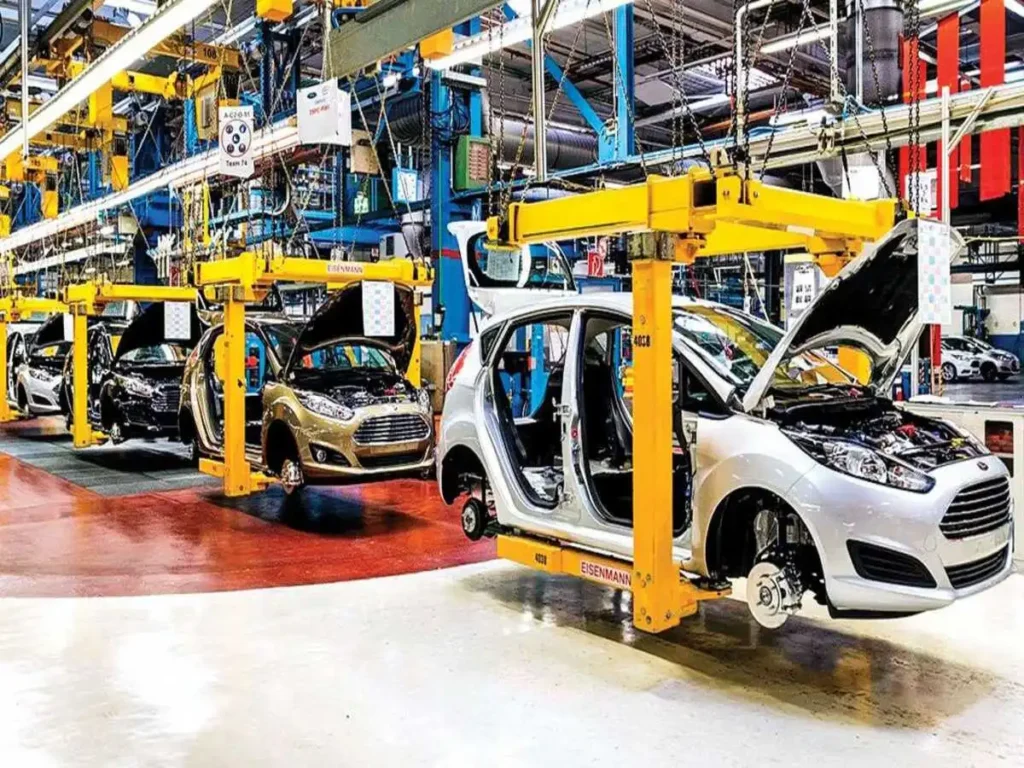
One of the world’s most recognized luxury brands, JLR, woke up to a cyber intrusion that crippled its systems. Production lines went silent. Employees were instructed to stay home. IT networks were shut down to prevent further breach. Orders couldn’t be processed. Retail operations slowed dramatically. And plants across multiple regions came to a halt.
In a business where every hour of downtime costs millions, the scale of disruption was enormous.
The ripple effect was immediate and brutal:
- Vehicle output plummeted
- Shipments got stuck
- Delivery timelines collapsed
- Inventory pipelines were blocked
- Dealer networks struggled to process documents
- Margin-heavy models were delayed
And because JLR contributes significantly to Tata Motors’ global performance, the shock from this cyberattack hit the consolidated financials like a hammer.
A quarter shaped by a digital shutdown
The cyberattack effectively rewrote the entire Q2 for Tata Motors. Even though domestic PV sales in India stayed healthy — with EVs and CNG models adding stability — the global hit was too large to absorb.
The luxury division saw volumes drop sharply. Recovery costs mounted. Rebuilding secure systems required massive emergency spending. Production targets fell far below expectations. Even after restoring systems, the restart wasn’t instant; syncing factory lines, logistics chains and dealer networks took time.
This is why Tata Motors PV Q2 posts heavy loss became the real story. It wasn’t because of poor strategy, weak products or declining demand at home. It was because an unexpected, externally triggered cyber event effectively shut down one of the most critical parts of the company’s global business.
Financial reality: a one-time gain hides operational damage
The only reason the headline consolidated profit looked attractive was due to a large one-time accounting gain from a corporate restructuring. But that number has nothing to do with business performance. It’s a technical adjustment.
Operationally, the numbers told a different story:
- Revenue dropped significantly
- Global wholesale volumes plunged
- Margin guidance for the full year was cut
- Higher tariffs in the U.S. added cost pressure
- Recovery from the cyberattack required heavy spending
- Inventory and logistics faced extended delays
- Demand for some premium models softened due to delivery uncertainty
Strip out the exceptional gain, and the reality becomes unavoidable — Tata Motors PV Q2 posts heavy loss, led almost entirely by the digital shutdown at JLR.
The cyberattack’s global fallout
The incident didn’t just hit production. It hit confidence — from suppliers, retail partners and markets. Some suppliers faced their own disruptions because they couldn’t ship finished components. Logistics partners struggled to coordinate schedules. Retailers in several countries didn’t know when to expect cars.
In the luxury market, trust and timing matter. When deliveries become unpredictable, demand softens. And that’s exactly what amplified the financial damage.
International headwinds made things even worse:
- Tariffs increased in key markets
- Regulatory pressure grew
- Model transition cycles slowed momentum
- Global demand for premium SUVs softened
Everything stacked up at once — right after the cyberattack pushed the business into crisis mode.
Can the company bounce back?
Despite the damage, Tata Motors isn’t walking away wounded. The company has already started reinforcing systems, investing heavily in cybersecurity upgrades and strengthening production safeguards.
Domestic PV operations remain strong and continue to be a bright spot. New launches and refreshed models are scheduled for upcoming quarters, and consumer demand in India remains stable.
The real question is how fast JLR can recover its production rhythm. If it stabilizes quickly, the company can regain its margin structure. But if delays continue, the financial pressure could stretch into more quarters.
Either way, one fact is clear: the cyberattack reshaped the entire narrative of this quarter.
Final takeaway
The phrase Tata Motors PV Q2 posts heavy loss doesn’t tell a story of weak products or fading demand. It tells a story of a sudden, massive cyberattack that brought one of the world’s most iconic luxury brands to a temporary standstill. The operational damage from that single event rippled into financials, production, deliveries and investor sentiment.
This quarter will likely be remembered as a wake-up call — not just for Tata Motors, but for the entire automotive industry. Cybersecurity is no longer a back-office concern. It is now a frontline business risk capable of shutting down factories, halting global shipments and redefining quarterly results overnight.
FAQs – Tata Motors PV Q2 posts heavy loss
1. Why did Tata Motors PV Q2 posts heavy loss become the main headline this quarter?
Because the company’s operational performance was severely hit by a major cyberattack on its luxury arm. The attack shut down production, delayed deliveries and caused heavy financial disruptions, leading to the underlying loss.
2. How exactly did the JLR cyberattack trigger Tata Motors PV Q2 posts heavy loss?
The cyberattack forced multiple plants to halt production, disrupted IT systems and stopped normal operations. The resulting drop in volumes and increased recovery costs directly pushed the business into a heavy loss.
3. Was the domestic business affected in Tata Motors PV Q2 posts heavy loss?
Not significantly. The domestic PV segment performed relatively well. The heavy loss mainly came from the international luxury division, which faced the brunt of the cyber incident and its aftermath.
4. Did Tata Motors still show profit despite the loss?
Yes, but only due to a large one-time accounting gain. When that exceptional item is removed, the true picture shows why Tata Motors PV Q2 posts heavy loss operationally.
5. Are cyberattacks now a serious threat to automakers after this incident?
Absolutely. The JLR cyberattack showed how one breach can shut down factories, delay shipments and impact financials. It’s now one of the biggest risks facing global automotive brands.
6. Will Tata Motors recover after Tata Motors PV Q2 posts heavy loss?
The company is already working on restoring production, strengthening cybersecurity and stabilizing global operations. Recovery is expected, but much depends on how quickly the luxury division resumes normal output.
7. Did international markets contribute to Tata Motors PV Q2 posts heavy loss?
Yes. Tariffs, softer demand in certain regions and production delays added extra pressure. These factors amplified the financial impact caused by the cyberattack.
8. How will this loss influence Tata Motors’ future strategy?
The focus will likely shift toward cybersecurity strengthening, risk mitigation and ensuring the luxury division’s operations become more resilient. The domestic PV business may also take on a bigger strategic role.
9. What does Tata Motors PV Q2 posts heavy loss mean for investors?
Investors will closely watch the next few quarters. The loss signals operational vulnerability, but a strong recovery plan could restore confidence if production and margins rebound.
10. Is this loss a long-term concern or a one-time setback?
It appears to be a cyberattack-driven setback rather than a long-term structural failure. However, sustained recovery depends on consistent production stability and successful risk management going forward.
—