Volkswagen Plans to Export Chinese-Made Cars to Overseas Markets: A Closer Look
When Volkswagen plans to export Chinese-made cars to overseas markets was first confirmed in late November 2025, it underscored a clear shift in strategy. The German automaker is no longer treating China solely as a local market — it now sees Chinese production as a springboard for global exports. The company has already started shipping China-built petrol sedans to the Middle East, and is now evaluating other regions including Southeast Asia and Central Asia.
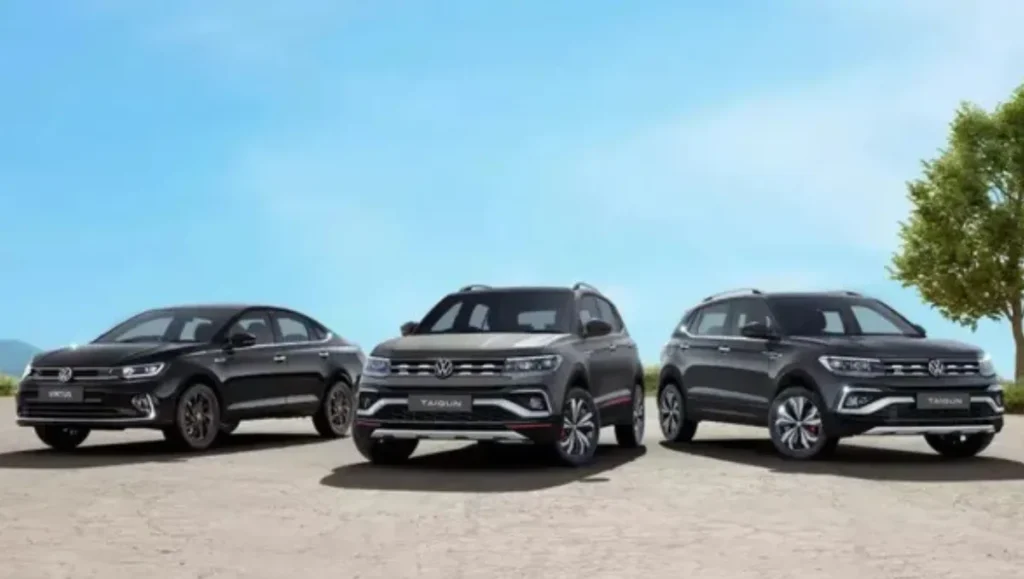
For VW watchers and global auto analysts, that simple sentence — “Volkswagen plans to export Chinese-made cars to overseas markets” — carries a lot of weight. It signals a rethinking of how cars are developed, built and distributed in today’s global industry.
Why Now: Cost, Capacity and Changing Priorities
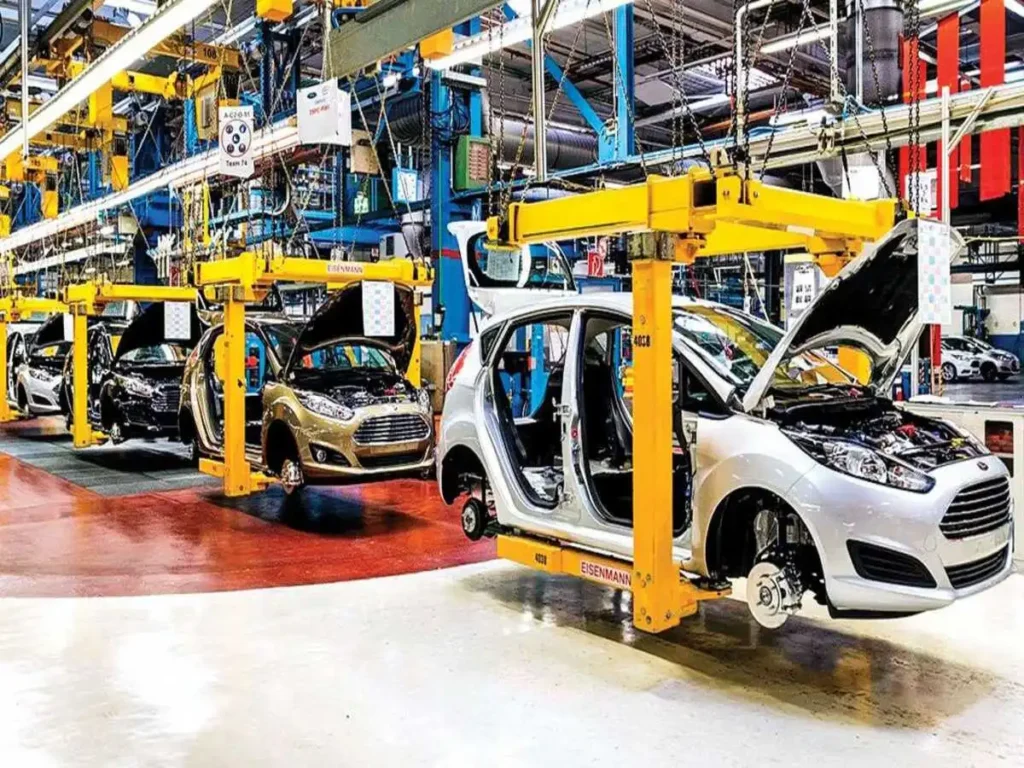
A big part of what’s driving this change is economic. Volkswagen has invested heavily in its production and technology hub in Hefei, China — a center that now can fully develop, test, and validate new vehicle platforms, electronic architectures and software outside Germany.
That shift isn’t small. VW claims that building EVs in China under this structure can be up to 50% cheaper than doing the same work in Europe or other traditional manufacturing bases.
With global competition heating up, and Chinese automakers growing stronger (both at home and abroad), Volkswagen seems to believe that lower-cost Chinese-built cars could help it stay competitive internationally — especially outside regions where premium status matters (like Europe).
What Types of Cars, and Where They Might Go
So far, VW has exported China-made petrol sedans to Middle Eastern markets. The automaker has publicly stated that next on the target list could be countries in Southeast Asia and Central Asia.
These cars could include both internal combustion engine (ICE) models and electric or hybrid vehicles — VW’s Chinese factories are already capable of producing both.
What VW is not planning (at least for now) is exporting these China-built cars to Europe. The reason: the “electronic architecture and software” used in these vehicles differ from those designed for European standards.
What This Means for Volkswagen’s Global Strategy
This move shows that Volkswagen is embracing a “local-for-global” model. Instead of relying only on its German or European factories, its leveraging Chinese scale, supply chain efficiencies, and growing manufacturing maturity.
By building vehicles in China — at lower cost, faster turnaround, and with globally competitive quality — VW can supply lower-cost cars to price-sensitive markets, while reserving its high-spec, higher-margin models for markets demanding premium credentials.
At the same time, VW also continues to benefit from a massive R&D push in China. The research centre in Hefei now includes over a hundred labs, capable of full vehicle validation, powertrain and battery testing, software integration, and more.
This kind of vertical integration and localized R&D means Volkswagen can develop “global-ready” cars from China. For international buyers in Asia, the Middle East or other emerging markets, that could translate into more affordable cars — without necessarily sacrificing features or build quality.
Challenges and What VW Has Said It Won’t Do
But this path is not without its complications. For one — regulatory and technical differences. As mentioned, European markets have different standards for electronic architecture and vehicle software. That’s why Volkswagen has ruled out exporting China-made cars to Europe for now.
Also, building abroad is not just about lower costs. Even if production is cheaper, VW will still need to ensure quality, safety, compliance with local standards, and after-sales support in each export market.
Finally, there’s a reputational component. For many buyers, “Made in China” still carries mixed perceptions, especially when associated with premium brands traditionally “Made in Germany.” Volkswagen will need to manage that carefully if it wants customers in overseas markets to accept these cars.
What It Means for Global Auto Markets and Potential Ripple Effects
If Volkswagen’s plan works — exporting China-made cars successfully to Asia, the Middle East, Central Asia — it could prompt other global automakers to follow suit. The logic is hard to ignore: build where costs are lowest, develop where innovation is fastest, and export where demand exists.
That could accelerate the globalization of car manufacturing — not just in terms of sales, but development and design. We could see more “global cars built in China” hitting streets in emerging markets over the next few years.
For consumers in those regions, it might mean more affordable vehicles with decent features. For automotive competition, it may intensify pressure on both local brands and other global OEMs (original equipment manufacturers).
What to Watch — What’s Next
According to VW’s leadership, cars built on China’s “electronic architecture” will start appearing outside China soon. But exactly which models, to which countries, and when — those details are still being worked out together with VW headquarters in Germany.
Also, much will depend on how export markets respond: demand, pricing, regulatory approvals, and how well VW can support after-sale service.
Another interesting aspect to track: whether VW will simply export ICE cars, or also electric vehicles built in China. Given the global push toward EVs, and China’s growing EV supply chain maturity — that could be the real game changer.
Final Thoughts
When I reflect on what “Volkswagen plans to export Chinese-made cars to overseas markets” truly means — it feels like a turning point. For decades, auto giants built cars around in their home countries or nearby factories, and exported globally. Now, the center of gravity is shifting.
China is no longer just another big car market. It’s becoming a global production and innovation hub. VW’s gamble could pay off if they manage to balance cost savings, quality, and global standards.
If it goes right, we might soon see more Volkswagen cars on Asian, Middle Eastern or Central Asian roads not because they were assembled in Germany or Mexico — but built in China. And that could reshape how we think about global car manufacturing in the 2020s and beyond.
Faqs – Volkswagen Plans to Export Chinese-Made Cars to Overseas Markets
FAQ 1: What’s the big deal with VW exporting cars from China?
It just means Volkswagen wants to make cars in China and sell them in other countries. Earlier China was mostly just for Chinese buyers, now they’re using it like a global factory.
FAQ 2: Are these cars already going out to other countries?
Yeah, some of them are. They’ve already sent a few petrol cars to Middle East countries. More places might come next.
FAQ 3: Why China though? Why not Germany?
Honestly, money. It’s cheaper and faster to build cars in China now. Also their factories there are super advanced.
FAQ 4: Will Europe get these China cars too?
Nope. VW already said they’re not sending them to Europe for now because the software and tech systems are different.
FAQ 5: Are these electric cars or normal petrol ones?
Right now it’s mostly petrol models being exported. But their China plants can build electric and hybrid cars too, so that might happen later.
FAQ 6: Should people worry about quality?
Probably not. VW says quality stays the same. It’s more about location of factory, not about cutting corners.
FAQ 7: Is this good news for buyers?
Depends. Cars could get cheaper. But after sales service and spare parts will matter a lot in each country.
FAQ 8: Will other brands start doing the same thing?
Most likely. If VW makes this work, other companies won’t want to stay behind.
FAQ 9: Does this make VW less “German”?
Not really. The brand is still German. It’s just that the factories are spreading out to where it makes more sense financially.
FAQ 10: In simple words, why should people care?
Because it changes how cars are made and sold. China isn’t just buying cars anymore, it’s becoming one of the main places where cars for the world are built.
—