Maruti Victoris Crosses 30K Sales in 2 Months – What the Numbers Mean
The Indian passenger vehicle market seldom pauses, though certain launches manage to quietly shift attention. Maruti Victoris Crosses 30K Sales in 2 Months marks such a moment, not through noise, but through how quickly buyer interest became confirmed deliveries. Within weeks of introduction, the Victoris was regularly visible in showrooms, on city streets, and within booking systems. Early data points suggest buyers were drawn not just by the name, but by pricing balance, fuel options, and a launch window that worked in its favor.
Opening Snapshot
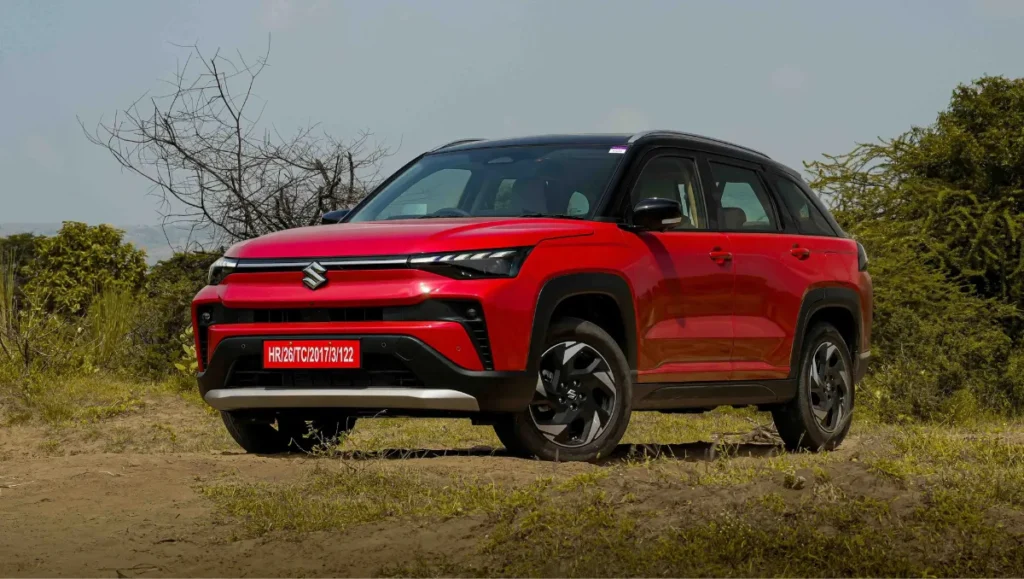
The Victoris launched in late September 2025 and, according to multiple industry reports, has crossed the 30,000-unit mark in just over two months — some outlets quantify it as about 30,057 units by the end of November, while others describe it as “30,000-plus” in two and a half months. This pace places the Victoris among the fastest-selling recent Maruti introductions and has put fresh pressure on competing models in the compact and mid-size SUV brackets.
Why This Figure Matters
Sales of 30,000 across two months represent more than eye-catching news; they point to solid distribution, rising factory output, and authentic customer pull. For Maruti, a brand delivering hundreds of thousands yearly, an outcome like this can alter showroom flow: inventory splits, booking delays, and branding priorities move fast when a new vehicle gains strong traction nationwide attention. Independent outlets and dealer reports noted brisk bookings and deliveries, suggesting demand is not purely speculative but converting into actual sales.
How Maruti Positioned the Victoris
Maruti’s official product pages and launch materials show that the Victoris arrived with a strong feature set: multiple powertrain options including strong hybrid and petrol+CNG, Level 2 ADAS, a premium sound system, and multiple trim levels to cover a broad price band. Pricing was introduced in the Rs. 10.5 lakh to about Rs. 20 lakh ex-showroom bracket depending on trim and powertrain, which likely helped the Victoris appeal to both value-minded buyers and those chasing tech-rich packages. The official spec and feature list helped set buyer expectations before deliveries began.
What The 30K Pace Says About Consumer Preferences
A few patterns emerge from this early run. First, buyers are receptive to SUVs that blend familiar Maruti economics with newer tech — hybrid efficiency and ADAS are drawing attention. Second, the availability of CNG and hybrid choices makes the Victoris a multicategory product: it appeals to budget-aware buyers as well as those seeking fuel-efficiency and top-end features. Third, strong early sales often reflect effective channel readiness; Maruti’s Arena and NEXA networks were ready to move inventory and handle bookings, which matters when initial production volumes are finite.
How Validated Are the Numbers
The 30,000-plus figure independently in mid-December 2025, typically citing dealer and company distributions. About 30,057 units by the end of November while The 30,000-plus mark and phrased the period as “just over two months” or “two and a half months.” That cross-verification across established automotive industry confidence to the milestone as a verified industry fact rather than rumor.
Comparisons and Context
It’s useful to compare this to how other recent launches have performed. Some models from Maruti and rivals have recorded strong booking figures but longer delivery timelines; others have hit sales milestones more slowly. The Victoris’ mix of competitive pricing, multiple fuel choices, and an aggressive feature package seems to have created a rare alignment of product-market fit and operational readiness. That said, “two months” in headlines sometimes hides nuance — reporting windows vary (end of September launch to end of November vs. mid-December tallies), so a careful read of the numbers matters.
Challenges and What to Watch Next
A fast start isn’t an everlasting guarantee. Supply chain constraints, long-term customer satisfaction, and after-sales support will all shape whether the Victoris stays a top seller over six to 12 months. Also, market dynamics are seasonal: festive demand and introductory offers can spike early sales. The next data points to watch are month-on-month sales through Q1 2026, how waiting periods evolve, and whether Maruti adjusts production to steady the pipeline. Several outlets have already noted that Victoris deliveries and waiting times are being closely tracked by dealers.
A Few Quick, Human Observations
If you pop into a Maruti showroom right now, there’s a tangible mix of excitement and logistics – customers thrilled with features, sales staff juggling allocations, and rival brands taking notice. It’s one of those product launches that feels like a small cultural moment inside India’s car-buying community: not just about a number, but about how a mainstream brand layers new tech into proven recipes and gets mass buyers to say yes.
Takeaway
Maruti Victoris Crosses 30K Sales in 2 Months is an accurate read of a fast early sales run, backed by multiple independent industry reports and Maruti’s own product positioning. The milestone is meaningful: it reflects strong initial consumer acceptance, a broad powertrain strategy that appeals to different buyer segments, and efficient channel execution. Whether the Victoris can sustain this momentum will depend on supply, long-term ownership experience, and how competitors respond – but for now, 30,000-plus units in a short period is a clear early success
FAQs – Maruti Victoris Crosses 30K Sales in 2 Months
FAQ 1: When exactly did Maruti launch the Victoris?
Maruti introduced the Victoris in India toward the end of September 2025. Deliveries started soon after, and the model began showing up at dealerships and on roads within weeks of the launch.
FAQ 2: How did the Victoris manage to reach 30,000 sales so fast?
A big reason was availability. Cars were reaching showrooms early, and bookings were being converted into deliveries without long delays in many cities. Pricing and fuel options also worked in its favor.
FAQ 3: Are these 30,000 sales numbers reliable?
The figures have been reported by more than one auto publication, usually based on dealer dispatch and company data. While exact counts vary slightly, the overall milestone itself is not in dispute.
FAQ 4: Where does the Victoris sit in Maruti’s lineup?
The Victoris sits in the space between compact and mid-size SUVs. It’s aimed at buyers who want more features than entry-level models but do not want to step into higher-priced segments.
FAQ 5: What engine and fuel options are available?
Maruti offers the Victoris with standard petrol, strong hybrid, and petrol with CNG. This gives buyers flexibility depending on how much they drive and what running costs matter most to them.
FAQ 6: Are buyers facing waiting periods for the Victoris?
In some cities, yes. Popular trims and hybrid variants tend to have longer waiting times, while other versions are available sooner. It often depends on dealer allocation and local demand.
FAQ 7: Why are buyers responding so positively to the Victoris?
Many buyers seem to like the balance it offers. It combines familiar Maruti ownership with newer features, reasonable pricing, and fuel-efficient options, which makes the decision easier for a wide audience.
FAQ 8: Does this early success mean the Victoris will stay a top seller?
Early numbers are encouraging, but they do not guarantee long-term dominance. Consistent production, service experience, and how competitors respond will shape its performance over time.
FAQ 9: How does this milestone help Maruti as a brand?
Strong early sales improve dealer confidence and keep showroom traffic high. It also gives Maruti room to fine-tune production and marketing based on real customer response rather than projections.
FAQ 10: What should buyers and observers watch in the coming months?
Monthly sales trends, waiting period changes, and ownership feedback will be important. These details often reveal more about a model’s real standing than launch-phase numbers alone.
—