Toyota Innova Crysta to Be Discontinued In 2027: A Quiet Goodbye to a Trusted MPV
It is not every day that a car’s exit feels like news worth sitting with. Yet the idea that the Toyota Innova Crysta to Be Discontinued In 2027 has done exactly that. People are not shocked. Most saw it coming. Still, there is a pause when the sentence lands. A moment where you think about how long this vehicle has been around and how quietly it became part of everyday life.
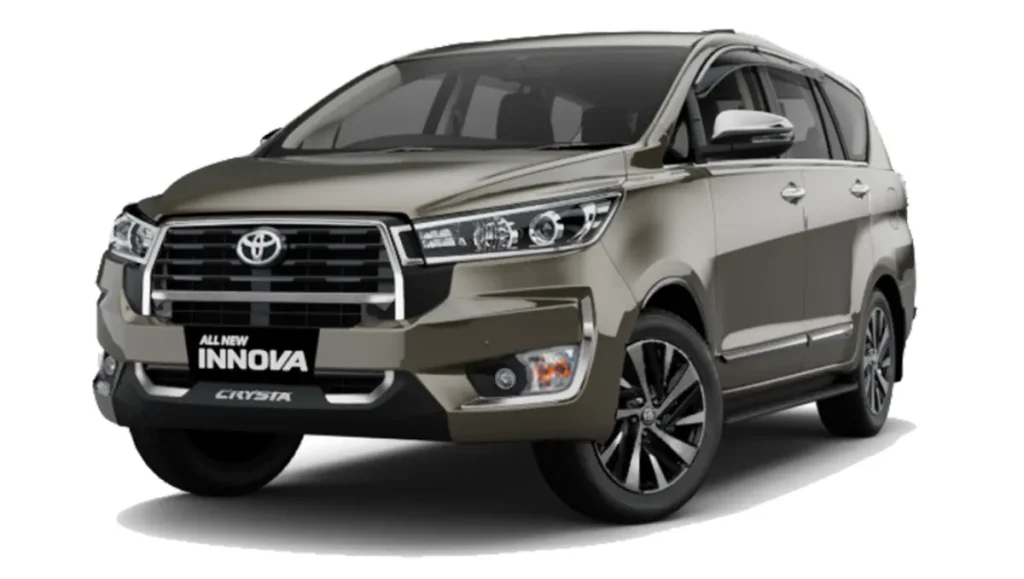
The Innova Crysta has been one of those vehicles you stop noticing because it is everywhere. On highways. Outside hotels. Parked near hospitals. Used for weddings one weekend and business travel the next. It never demanded attention. It never tried too hard. It kept showing up anyway and doing what it was meant do.
When news began circulating that the Toyota Innova Crysta to Be Discontinued In 2027, the reaction was less panic and more reflection. Almost like hearing an old shop in your neighborhood is finally closing. You knew it would happen someday. You just did not expect to feel much there.
The Crysta arrived in India after its global debut in 2015. By then, Toyota already had a strong reputation here. But the Crysta took that trust and reinforced it in a very Indian way. It was not flashy. It was not cheap either. It simply promised that if you bought one, it would not let you down easily.
Why Toyota Innova Crysta to Be Discontinued In 2027 Is Largely About Rules
The reason the Toyota Innova Crysta phases out in 2027 has little to do demand. That part is important. The vehicle still sells. It still has a loyal base. The complication is paperwork, figures, and regulation.
India is moving toward stricter Corporate Average Fuel Economy norms, commonly called CAFE 3. These rules do not treat one vehicle on its own. They look at the entire lineup of a manufacturer and calculate average emissions. Heavy diesel vehicles make that math uncomfortable.
The Crysta, with its ladder-frame chassis and diesel engine, is not built to chase efficiency records. It is built to last. Unfortunately, durability does not score points under new emission formulas. Keeping such a vehicle around starts affecting everything else in the lineup.
Toyota has already shown where it wants to go. Hybrids. Petrol-hybrid combinations. Lower emissions on paper and in practice. In that plan, a large diesel MPV becomes harder to justify, even if buyers still want it.
There was a time when many believed the Crysta would be gone by 2025. That did not happen. Demand stayed alive, especially from fleet operators. Semiconductor shortages slowed transitions. So the vehicle stayed. But now the timeline feels final. March 2027 is being treated as the end.
Why the Innova Crysta Worked When Others Did Not
The Innova Crysta never tried to be clever. That is probably why it worked. The design was clean but conservative. The cabin focused on space, not drama. The seating position was upright. The suspension was forgiving. These details rarely grab headlines, yet they matter once you spend long hours sitting inside any vehicle. The body-on-frame build gave the Crysta a quiet sense confidence. You could load it up. Drive it hard. Take it places where softer vehicles felt nervous. It did not complain much.
The diesel engine, especially the 2.4-litre unit, was never about speed. It was about pulling steadily, mile after mile. Taxi drivers trusted it. Families trusted it. That trust did not come from brochures. It came from years of consistent experience. Even maintenance followed that same theme. Predictable. Not cheap, but not surprising. Parts were available. Service centers understood the vehicle. Resale values stayed strong. Over time, ownership felt familiar rather than stressful.
What Changes Once the Toyota Innova Crysta to Be Discontinued In 2027
For people who already own one, the Toyota Innova Crysta wrapping up in 2027 does not alter much at present. These vehicles are known to stay reliable on the road long term still. Toyota’s service network is unlikely to disappear or neglect existing customers. For buyers looking at new vehicles, things become less straightforward. There is no direct diesel replacement waiting in the wings. The Innova Hycross exists, but it is a different kind of product. More modern. More efficient. Less rugged in character.
Private buyers may adapt quickly. Hybrids make sense in cities. Fuel costs matter. Emissions matter. Technology matters. For them, the shift feels logical. Fleet operators may take longer. Diesel still has its place in high-usage scenarios. Changing that mindset, and the economics behind it, will take time. Some may switch brands. Others may keep older vehicles longer.
The market will adjust. It always does. But something familiar will be missing.
The Kind of Legacy That Does Not Show Up on Spec Sheets
When the Toyota Innova Crysta to Be Discontinued In 2027 finally becomes history, it will not disappear quietly. These vehicles will remain visible on Indian roads for years. Their presence will continue even without new units being sold.
The Crysta’s legacy is not about innovation or design awards. It is about reliability. About showing up when needed. About not letting people down when the journey matters. In a market that constantly chases what is new, the Innova Crysta stood for something older. Consistency. Predictability. Trust.
As Toyota commits more toward hybrids and cleaner technology, the industry keeps changing. Still, there will always be a reference point. A vehicle people remember when they talk about what dependable really meant. For many, that reference will remain the Innova Crysta and that is why the news still lingers.
FAQs – Toyota Innova Crysta to Be Discontinued In 2027
FAQ 1: Is the Toyota Innova Crysta really being discontinued in 2027?
Yes. Toyota is expected to phase out the Innova Crysta around March 2027 as emission norms become stricter and regulations change.
FAQ 2: Why is Toyota discontinuing the Innova Crysta if it still sells well?
The decision has more to do with regulations than sales. New fuel economy and emission rules make it harder to keep large diesel vehicles in production.
FAQ 3: What are CAFE 3 norms and why do they matter here?
CAFE 3 norms measure average emissions across a carmaker’s entire lineup. Heavy diesel vehicles like the Crysta make meeting those targets more difficult.
FAQ 4: Will existing Innova Crysta owners face service or spare parts issues?
That is unlikely. Toyota usually supports discontinued models for many years, and the Crysta already has a strong service network across India.
FAQ 5: Is there a direct replacement for the Innova Crysta?
No direct diesel replacement has been announced. The Innova Hycross exists, but it is positioned differently and focuses on petrol and hybrid power.
FAQ 6: How is the Innova Hycross different from the Crysta?
The Hycross is more modern and efficient, especially with hybrid options, but it does not offer the same rugged, ladder-frame construction as the Crysta.
FAQ 7: Will resale value of the Innova Crysta drop after discontinuation?
Historically, resale values for the Innova range have remained strong. The Crysta’s reputation for reliability may help it hold value longer than many rivals.
FAQ 8: Why was the Crysta kept on sale longer than originally planned?
Strong demand from fleet operators and delays caused by supply chain issues played a role in extending its production timeline.
FAQ 9: Is diesel being phased out completely in India?
Not immediately. Diesel vehicles are still allowed, but future regulations make them harder and more expensive for manufacturers to continue.
FAQ 10: Why does the Innova Crysta matter so much to Indian buyers?
Because it built trust over time. It was dependable, predictable, and suited real Indian driving conditions, which is why its exit feels personal to many.
—