Ampere Magnus G Max Launched: The New Practical Workhorse for Indian Families
The Indian electric two-wheeler market has transitioned from a playground for early adopters into a serious arena for middle-class utility. For years, buyers have complained about scooters that prioritize flashy touchscreens over boot space or high top speeds over actual battery safety. Addressing these very issues, the Ampere Magnus G Max launched on January 19, 2026. Greaves Electric Mobility’s latest offering isn’t out to win any awards for futuristic tech; it’s designed to be a sturdy and spacious machine that fits right into the family. It’s more about being a reliable partner for everyday use than a flashy “smart” devic e.
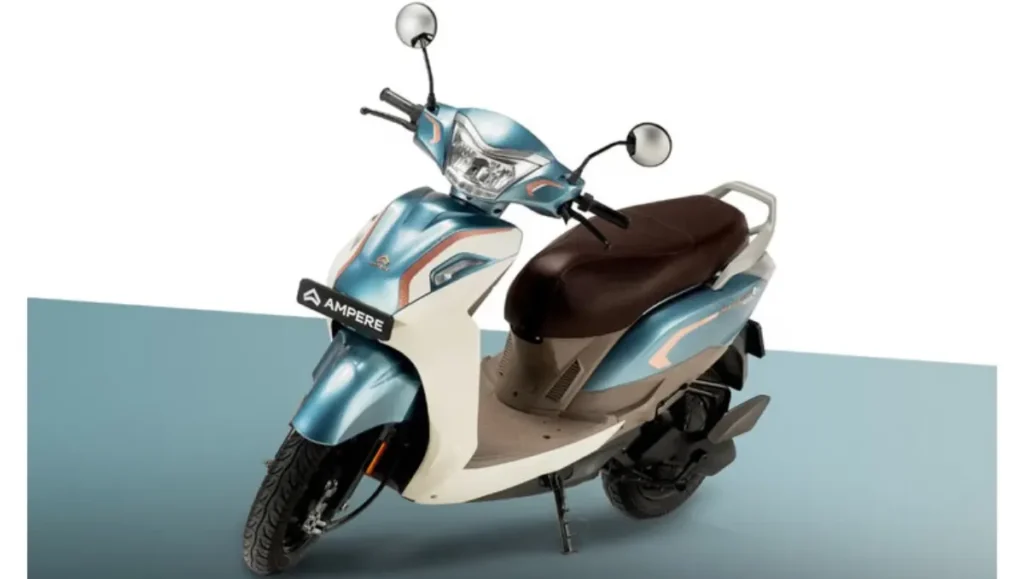
At an introductory rate of Rs. 94,999 (ex-showroom), the Magnus G Max hits a “Goldilocks zone” that few other scooters manage. It stays well under the one-lakh limit, offering an excellent alternative for riders tired of petrol costs and looking for a 15-paise-per-kilometer running expense. This launch avoids the common compromises found in budget EVs by sticking to three core priorities: battery life that lasts, a huge storage bin, and reliability that actually holds up in city traffic.
Why the Battery Tech Matters This Time
When the Magnus G Max finally hit the market, the big news was the 3 kWh LFP battery. Most budget EVs used to stick with NMC batteries because they’re light and powerful, but those can get pretty twitchy when the Indian summer starts hitting 45°C. LFP is like the old-school veteran—it’s tougher and handles the heat much better.
One of the best things about LFP is how it handles high temperatures without losing its cool. For families in places like Nagpur, this isn’t just a technical detail; it’s about feeling safe on every ride. These batteries also handle way more charges before they start to wear out. That’s why you get that massive 75,000 km warranty—Ampere knows this battery is going to go the distance.
Range Performance: Real vs. Ideal
On paper, the IDC says this scooter will do 142 km, but we all know how those lab tests go. What’s actually impressive is that Ampere is being honest about the real-world numbers—expect a solid 100 km if you’re in Eco mode. If you’re doing a typical 30 km daily run, you can basically skip charging for a couple of days and not worry. Plus, a 4.5-hour top-up (20% to 80%) at night fits perfectly into a normal sleep schedule.
Design and Utility: Built for “Bharat”
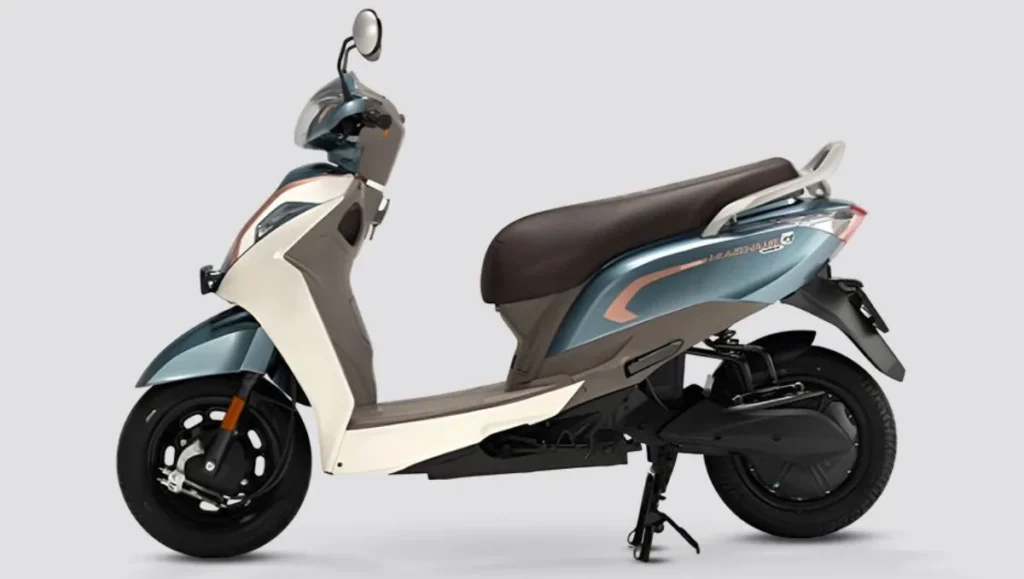
One look at the Magnus G Max tells you it was designed by people who understand how Indians actually use their scooters. It doesn’t have the minimalist, fragile look of some modern EVs. Instead, it uses a dual-frame chassis that is built to handle the “triple load” often seen on Indian streets—be it a pillion passenger or heavy grocery bags.
Indian roads are brutal, but the 165 mm clearance on this thing handles speed breakers and monsoon flooding without a sweat. The 12-inch tubeless tires and alloy wheels give it some actual weight and stability. It feels “proper”—meaning it’s as steady as a standard 110cc bike, not some light toy.
The 33-Litre Under-Seat Secret
Usually, when you get a big battery in an electric scooter, you can kiss your boot space goodbye. But when the Ampere Magnus G Max launched, they somehow managed to pack in a massive 33-litre storage area. It’s huge—you can toss in a full-face helmet and still have room for your laptop bag or some milk and veggies on the way home. Honestly, for a family, having that extra space is way more useful than a bunch of fancy software features.
Performance Tailored for the City
Ampere kept the performance grounded with a 2.4 kW peak motor and a 65 kmph top speed. It’s not a rocket, but honestly, 65 kmph is the “safety zone” for city roads where things can get unpredictable very quickly.
Let’s be honest, you don’t need 100 kmph in a busy lane; that’s how accidents happen. Ampere tuned this for “peppy” city torque instead. It’s fast enough to get around a slow truck but steady enough for anyone in the family to use:
- Eco: Maximizes the range for long trips.
- City: The balanced mode for daily stop-and-go traffic.
- Reverse: A savior in tight parking spots, allowing you to back out without straining your legs.
Features and Ownership Experience
Greaves Electric Mobility has been around for over 17 years, and that experience shows in the ergonomic layout. The seat is long and flat, ensuring the pillion isn’t sliding into the rider. The floorboard is wide enough to place a gas cylinder or large shopping bags comfortably.
On the tech front, the Magnus G Max features a 3.5-inch LCD digital instrument cluster. It avoids the “tablet-on-a-handlebar” approach, opting for a screen that is clearly legible even under the harsh afternoon sun. The digital cluster gives you the lowdown on basic ride data, battery health, and your range estimates. A USB charging port is built-in as standard equipment. If you feel like you need more security, the optional Telematics Control Unit (TCU) is there to provide anti-theft and geo-fencing functionality.
The Financial Argument
Beyond the specs, the real reason the Ampere Magnus G Max launched with such fanfare is the “Total Cost of Ownership.” With petrol prices remaining volatile, the shift to electric is a purely financial one for many. Ampere’s math shows that heavy riders doing 1,000 km a month end up saving around Rs. 2,500. That’s a decent chunk of change that usually just disappears at the fuel pump. Over three years, that’s almost Rs. 90,000—essentially making the scooter “free” through the savings generated.
Market Positioning and Rivals
The sub-1 lakh EV space is currently the most competitive segment in India. The Magnus G Max finds itself in a ring with the newly updated Bajaj Chetak C25, the TVS Orbiter, and the Ola S1 X. While Ola often wins on pure acceleration and Bajaj on “premium” metal-body feel, Ampere is playing the “reliability and space” card.
The availability of over 400 service touchpoints across the country gives Ampere an edge in smaller towns where tech-heavy startups haven’t yet built a physical presence. If you get a puncture or some weird electrical bug while you’re out in a smaller city, honestly, you’re much more likely to spot an Ampere board than some high-end EV specialist.
Final Verdict: Is it the Right Choice?
The Magnus G Max is a mature product. Look, it’s not trying to win a beauty contest or blow you away with a giant iPad on the handlebars. This is just a tough-as-nails machine built to handle the literal grind of your Monday through Saturday. By focusing on the LFP battery safety and the 33-litre storage, Greaves has hit the two most important factors for Indian families.
It’s a scooter for the person who wants to wake up, unplug the charger, and know exactly how many kilometers they have left without any “software glitches” or “range drops.” In a world of digital complexity, the Magnus G Max is a refreshingly simple, mechanical solution for 2026.
| Feature | Details |
| Launch Price | Rs. 94,999 (Ex-showroom, Introductory) |
| Battery Type | 3 kWh Lithium Ferro Phosphate (LFP) |
| Certified Range | 142 km (IDC) |
| Real-World Range | 100+ km (Eco Mode) |
| Top Speed | 65 kmph |
| Peak Power | 2.4 kW |
| Charging Time | 4.5 Hours (20% to 80%) |
| Boot Space | 33 Litres |
| Ground Clearance | 165 mm |
| Warranty | 5 Years or 75,000 km |
FAQs – Ampere Magnus G Max Launched
1: What’s the actual distance I can ride on a single charge?
On paper, it says 142 km, but that’s a lab number. In the real world, you’re looking at about 100 km in Eco mode. If your daily commute is around 30 km, you can easily go three days without even touching the charger.
2: How long do I need to leave it plugged in at home?
It takes about 4.5 hours to go from 20% to 80% using a standard home socket. Most people just plug it in before bed and wake up to a full battery—it’s that simple.
3: Is this LFP battery actually safer than others?
Yes, significantly. LFP chemistry doesn’t get as “angry” as NMC batteries when the temperature spikes. For riders in places like Chennai or Nagpur, it means you don’t have to worry about the battery overheating during a brutal summer heatwave.
4: What can I actually fit in a 33-litre storage space?
A lot. You can drop a full-face helmet in there and still have enough room for your laptop bag or a few grocery runs. It’s one of the biggest boots in the segment, which is a massive win for families.
5: What does the 5-year warranty actually cover?
It covers the battery for 5 years or 75,000 km, whichever comes first. Since LFP batteries handle more charge cycles, Ampere is confident it will last as long as the scooter itself.
6: Is 65 kmph too slow for city riding?
Not really. In busy Indian traffic, 65 kmph is usually the “safety sweet spot.” It gives you enough pep to overtake slow trucks but keeps you in control when someone unexpectedly jumps into your lane.
7: How much will I really save on petrol?
A ton. If you’re doing 1,000 km a month, you’ll save roughly Rs. 2,500 compared to a petrol scooter. Over three years, those savings basically pay back the entire cost of the bike.
8: Does it come with any “smart” features?
It keeps things practical. You get a digital screen for your speed and battery health, plus a USB port for your phone. If you want more, you can add the optional TCU for anti-theft and geo-fencing.
9: Can it handle two adults and heavy bags easily?
Yes. It’s built on a dual-frame chassis specifically for that “triple load” we see in India. The 165 mm ground clearance also ensures you won’t scrape the bottom on big speed breakers while carrying weight.
10: Where do I go if I need a repair in a small town?
That’s the best part. Ampere has over 400 service centers across India. Unlike newer startups, you’re much more likely to find a local Ampere shop even in Tier-2 or Tier-3 cities.
—