2026 Renault Duster Engine Options Explained: The Full Power Breakdown
Renault’s January 26, 2026, unveiling confirmed that the Duster is back and bolder than ever. This is a ground-up redesign featuring a specialized 8-speed DHT that works without a clutch to provide 100% electric starts. For those who want power, the 163 PS turbo engine dominates the road, while the entry-level 1.0L TCe 100 keeps things affordable. While the 1.0L is strictly a 6-speed manual, its agile front end and estimated ₹10.5 lakh price tag make it a very sensible pick for the urban commuter. For those looking to put down a booking amount, having the 2026 Renault Duster Engine Options Explained is the only way to pick the right variant for your lifestyle.
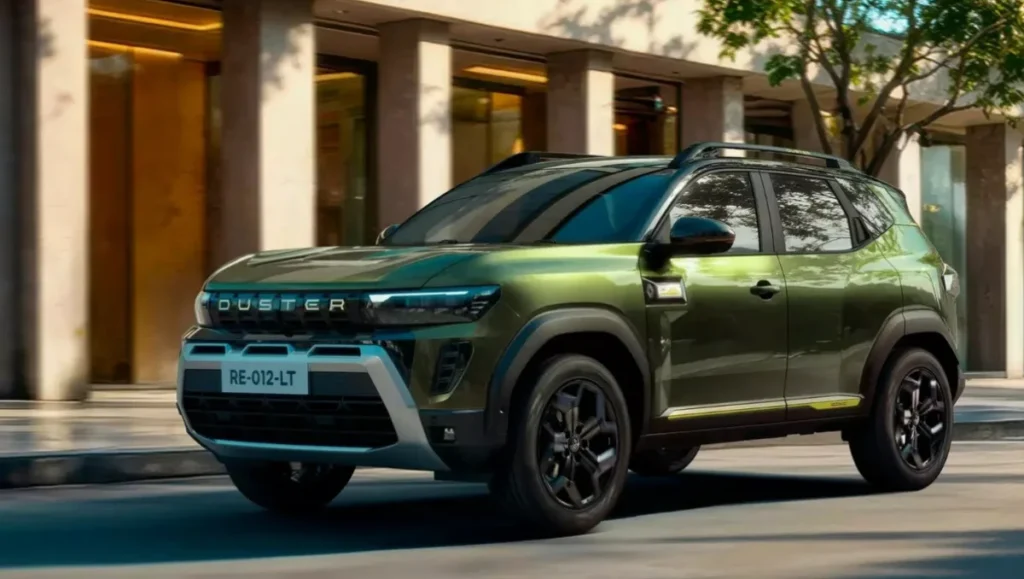
The biggest headline for 2026 is a bitter pill for some: the diesel is gone. Renault has retired the famous 1.5L dCi motor that made the original Duster a household name. In its place, they have launched a three-pronged petrol and hybrid strategy. Whether you want raw power, a budget-friendly city car, or a fuel-sipping hybrid that rivals the efficiency of the old diesels, there is a specific mechanical heart waiting for you.
The Value Starter: 1.0L Turbo TCe 100
For a starting price near ₹10.5 lakh, the 1.0-litre TCe 100 offers a lot of SUV for your money. Some buyers might be concerned that such a small displacement won’t be enough for the highway, but the magic of turbocharging means the math is no longer as simple as “bigger is better.” This engine is tuned to be efficient and punchy, offering a level of refinement and pulling power that will likely surprise anyone who is used to old-school, non-turbo engines of a similar size.
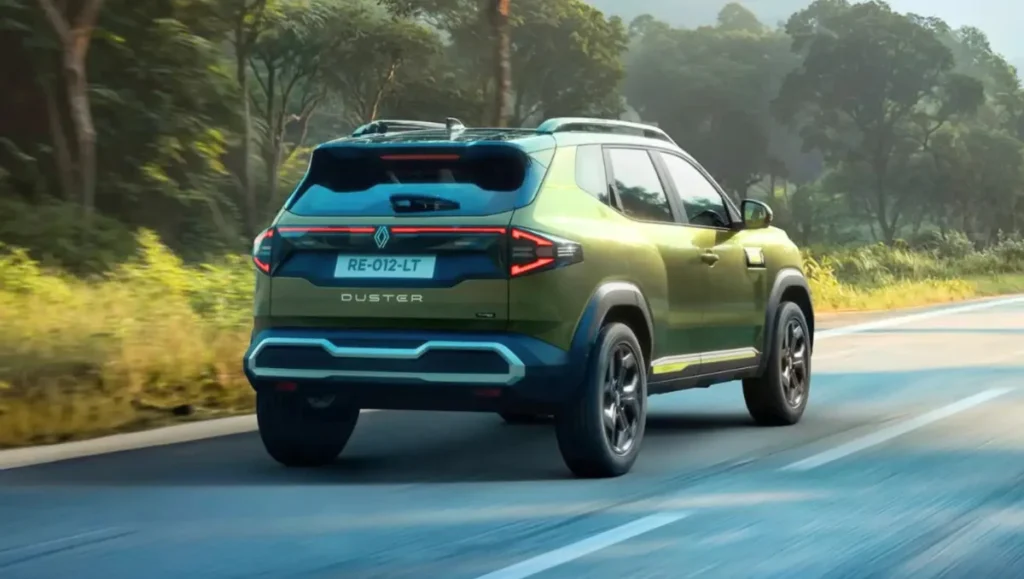
This version generates 100 PS and 160 Nm of torque, placing it firmly as the efficiency-first option for the new SUV. You won’t find a two-pedal setup on the entry-level model; it’s strictly a 6-speed manual. Those who want the ease of a DCT will have to look further up the variant list and pay a bit of a premium. The steering feels direct and the car feels smaller than it is when you’re cutting through traffic. At a projected ₹10.5 lakh (ex-showroom), it’s the most accessible version and makes a ton of sense for a city-first owner.
The Performance Sweet Spot: 1.3L Turbo TCe 160
For most enthusiasts, this is going to be the “Goldilocks” choice. As part of our deep dive into the 2026 Renault Duster Engine Options Explained, the 1.3-litre TCe 160 is the undisputed performance leader. This four-cylinder engine was co-developed with Daimler, and it’s a powerhouse that’s already proven itself in various global models.
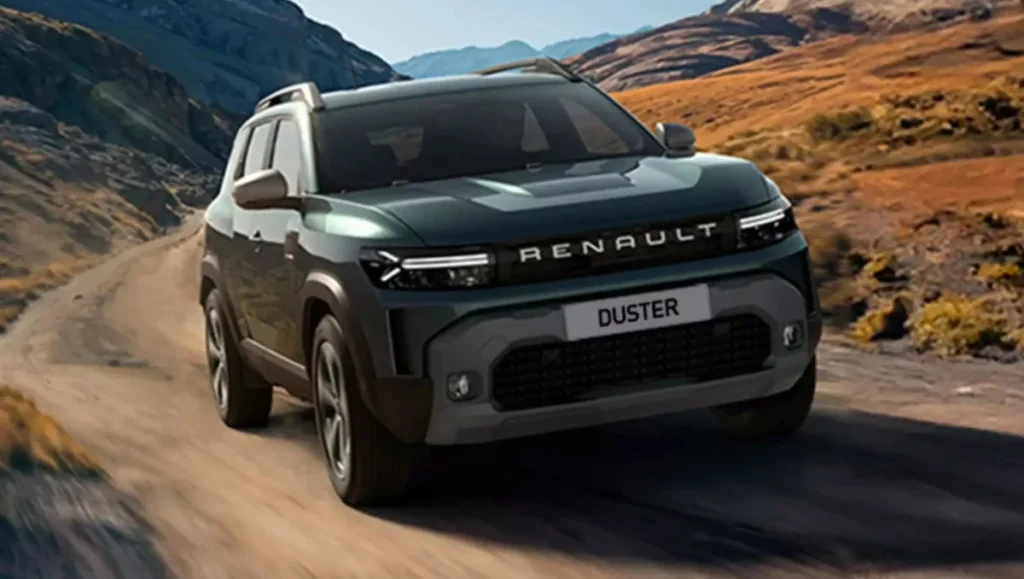
This 163 PS engine is a beast on the open road, providing 280 Nm of torque that gives you plenty of confidence for quick bursts of speed. he addition of a 48V mild-hybrid system is a big plus for daily usability. While it doesn’t provide enough power to move the car independently, the system excels at smoothing out the engine’s restarts and providing a little extra torque assist, which is a lifesaver for your fuel budget in stop-and-go traffic.
Gearbox Options for the TCe 160:
- 6-Speed Manual: There’s still no substitute for a good manual for those who enjoy the “man and machine” connection on a twisty road.
- 6-Speed Wet-Clutch DCT: This is a major upgrade. By moving away from CVTs to a wet-clutch dual-clutch transmission, you get much better reliability in our harsh Indian summers and lightning-fast shifts when you decide to pin the throttle.
The Efficiency King: 1.8L Strong Hybrid E-Tech 160
Renault knows they need a real answer for the old-school diesel fans who loved getting 20+ kmpl on long trips. The 1.8L E-Tech strong hybrid is that answer. This is easily the most advanced part of the 2026 Renault Duster Engine Options Explained report. It uses a 1.8-litre engine working in tandem with two electric motors and a 1.4 kWh battery.
The 8-speed DHT gearbox is the piece of tech that makes it all work, using a clutchless “dog clutch” system to prioritize silent, electric-first driving whenever possible. By ditching the traditional clutch, Renault has created a drive that is incredibly smooth. The car defaults to electric power for every start, so your morning departures are silent and neighbor-friendly. It’s built for the urban grind, with Renault claiming the system is efficient enough to handle about 80% of city traffic in pure EV mode, keeping the petrol engine off for the vast majority of your trip.
Strong Hybrid Highlights:
- Combined Power: 160 PS.
- Torque: 172 Nm from the engine plus instant electric kick.
- Fuel Efficiency: This is the one to get if you want to avoid gas stations like the plague.
Technical Specifications: The Quick View
| Feature | 1.0L Turbo (TCe 100) | 1.3L Turbo (TCe 160) | 1.8L Strong Hybrid |
| Engine Code | HR10 | HR13 | HR18 |
| Max Power | 100 PS | 163 PS | 160 PS (Combined) |
| Max Torque | 160 Nm | 280 Nm | 172 Nm (Engine Only) |
| Transmission | 6-Speed Manual | 6-MT / 6-Speed DCT | 8-Speed DHT |
| Drivetrain | Front-Wheel Drive | Front-Wheel Drive | Front-Wheel Drive |
| Launch Timing | April 2026 | April 2026 | Diwali (Nov) 2026 |
What About the 4×4?
One of the most common questions we hear regarding the 2026 Renault Duster Engine Options Explained is about off-roading. The new Duster definitely has the bones for it—212 mm ground clearance and short overhangs that give it a 26.9-degree approach angle.
Globally, there is a 1.2L mild-hybrid 4×4 variant. For the initial India launch, Renault is focusing on Front-Wheel Drive (FWD) for the 1.0L, 1.3L, and 1.8L units to keep the pricing competitive. Even though we’re starting with FWD, the engineering for an AWD system is already baked into the car. Renault has suggested that a 4×4 model could show up around late 2026 if the enthusiast’s demand is there. Even in its current form, the Duster’s 212 mm clearance and beefy build make it much more capable than your average urban crossover.
A Cabin That Finally Feels Premium
No matter which engine you pick, the interior is a massive jump forward. The old, basic dashboard is a memory. In its place is a 10.1-inch “OpenR Link” touchscreen that has Google built-in. This is a game-changer because you don’t even need to plug in your phone to use Google Maps—it’s already running natively.
The view from the driver’s seat is dominated by a 10.25-inch digital cluster and a sporty flat-bottom steering wheel that is a joy to handle on twisty roads. Renault is making a big safety play by including Level 2 ADAS, which covers everything from lane keep assist to emergency braking and adaptive cruise control. On the practical side, the 518-litre boot is great for standard suitcases, but the Duster has a hidden talent for heavy hauling. By removing the tray and packing right up to the roof, you can actually manage up to 700 litres of space for those “everything but the kitchen sink” moments.
Pricing and Availability
For just ₹21,000, you can officially express your interest and book a slot. This token amount is fully refundable and lets you lock in the special introductory pricing before it expires. Renault is playing it close to the chest with pricing, but we expect the official numbers in mid-March 2026.
- Turbo Petrols (1.0L & 1.3L): Turbo Deliveries Start Soon: If you’ve pre-booked a 1.0L or 1.3L petrol Duster, your wait ends in April.
- Strong Hybrid (1.8L): The 1.8L E-Tech is the most advanced Duster yet, but it’s trailing the turbos. Expect a grand showroom arrival for this flagship around Diwali 2026.
The Final Word: Picking the Perfect Engine for Your Drive
The “right” Duster is simply the one that plays to your driving habits.
- The Budget Buyer: Perfect for those who don’t need a race car. This 100 PS engine is a capable partner for neighborhood driving, providing enough low-end torque to get you through traffic without any fuss.
- The Highway Star: This is the flagship for those who actually enjoy driving. The 280 Nm of torque means you’ll never feel underpowered when the road opens up on your way out of the city.
- The High-Mileage Commuter: If you drive 40-50 km a day in crawling traffic, wait for the 8L Hybrid. The fuel savings and silence of the EV mode make it a winner.
The 2026 Duster has finally grown up. It has the tech to match its rugged looks, and with three very different engine options, there is finally a Duster for every type of driver again.
FAQs – 2026 Renault Duster Engine Options Explained
1: Will Renault keep a diesel option for the 2026 Duster?
Absolutely not. The 1.5L dCi is officially dead. Renault is betting the farm on turbo-petrols and that 1.8L hybrid to win over the folks who used to buy diesel for the fuel savings.
2: What kind of real-world mileage are we talking for the hybrid?
Expect around 24 or 25 kmpl. Since the electric motors handle roughly 80% of city crawling, you’re basically not even using the petrol engine during morning gridlock.
3: Can I get an automatic on the cheap 1.0L model?
Forget it. If you want the base TCe 100, you have to be okay with a stick-shift. You’ll have to shell out more for the 1.3L or the hybrid if you’re tired of working a clutch.
4: Is the 212 mm ground clearance actually enough for off-roading?
It’s more than enough for nasty speed breakers and mountain trails. While it’s not a hardcore 4×4 yet, that clearance means you won’t be scraping the belly every time the road gets ugly.
5: Does that “clutchless” gearbox feel jerky?
It’s surprisingly smooth. Because it uses electric motors to sync the gears instead of a mechanical clutch, the “shift shock” you get in regular automatics is basically non-existent.
6: Is the 1.3L turbo engine actually better than the old diesel?
On paper and on the road, yes. With 163 PS, it’s got way more punch for highway overtakes. It’s a Mercedes-co-developed engine, so it feels much more refined than the old oil-burner.
7: When can I actually drive one home?
The turbo petrols hit showrooms in April 2026. But if you’re holding out for the big-boy 1.8L Strong Hybrid, you’ll be waiting until the Diwali season.
8: Why is there no 4×4 at launch?
Renault is playing it safe. They’re focusing on Front-Wheel Drive to keep the starting price low, but they’ve hinted a 4×4 might show up later in 2026 if enough enthusiasts make a noise.
9: Is the boot space big enough for a family road trip?
You get 518 litres, which is solid. If you’re a heavy packer, just ditch the parcel tray and you can stack nearly 700 litres of gear back there.
10: Does the 10.1-inch screen work with my phone?
Yeah, but you might not even need your phone. Since Google Maps is baked right into the dash, the navigation works natively without you having to mess with cables or Bluetooth.
—