Renault Working On sub 4M SUV Mini Duster: The Strategy Behind the Box
Renault is finally shifting gears and moving into a much more aggressive chapter for its Indian operations. After the massive buzz surrounding the third-generation Duster’s Chennai debut on January 26, 2026, the company is now putting all its weight behind a new project internally known as the “Mini Duster.” This sub-4-meter SUV isn’t just another addition to the fleet; it is a critical pillar of the “International Game Plan 2027.” The goal here is very specific: Renault needs to fix its lack of a truly “tough” looking compact car, and this new model is designed to bring that missing rugged, off-road aesthetic to a segment that currently feels a bit too soft.
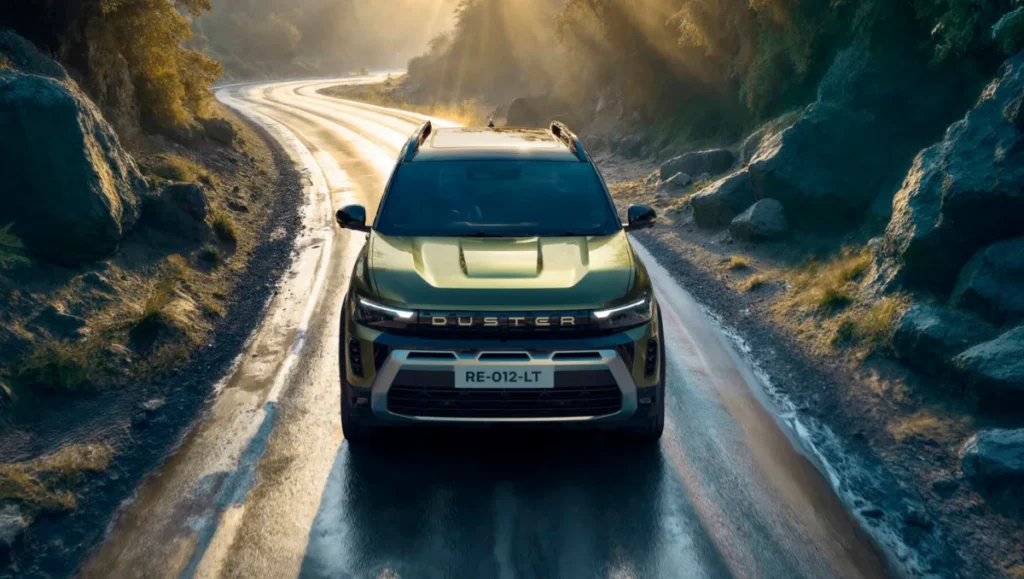
The Kiger’s crossover-like profile has its fans, but it doesn’t quite tap into the nostalgia and rugged reputation of the Duster nameplate. The Mini Duster is being crafted to change that by adopting the boxy, muscular, and vertical look of its iconic older sibling. This scaled-down design philosophy is intended to provide a sense of “big car” security and status that the Kiger’s more streamlined shape simply cannot offer. It is a calculated move to dominate the market by delivering the classic, broad-shouldered SUV look in a convenient, city-friendly size.
The Strategic Logic: Why a Second Compact SUV?
Industry analysts have questioned the logic of doubling up in the compact segment, but it’s all about market fragmentation. In today’s climate, the sub-4m category is no longer a monolith. By 2026, we’ve seen a massive split: you’ve got the ‘urban crossovers’ for the city crowd and the ‘proper’ rugged SUVs for everyone else. Renault wants a piece of both.
Kiger: The sleek choice for the city commute. It’s for the buyer who wants crossover utility without losing that nimble, car-like handling.
Mini Duster: The rugged choice for the traditionalist. It’s all about the “tough guy” stance, featuring an upright face and a boxy body that looks ready for an adventure.
Selling two different vibes in the same price bracket is a genius way for a brand to cast a wider net without spending a fortune on new platforms. It’s exactly the same ‘one-two punch’ we’ve seen from Maruti with the Brezza and the Fronx. They’re basically using the same bones to satisfy two totally different types of buyers—one who wants a boxy SUV and another who wants a sleek crossover.
Design: Shrinking the 2026 Duster DNA
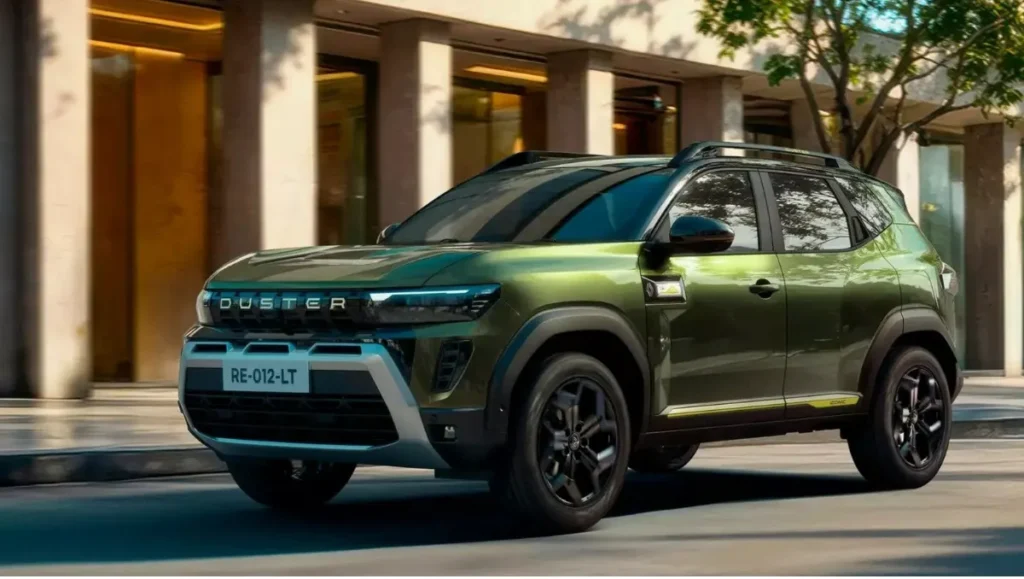
The Mini Duster will not be a simple facelift. It is a ground-up redesign of the upper body to mirror the “Bigster” design language. Recent insights from the Chennai engineering hub indicate that the prototype features:
- Vertical Fascia: A blunt front end with the iconic Y-shaped LED lighting signature.
- Upright Pillars: Near-vertical A and C-pillars to maximize interior headroom and give the car a “boxy” look.
- Rugged Elements: Oversized wheel arches with recycled “Starkle” plastic cladding and functional roof rails capable of carrying real loads.
- Ground Clearance: A target of 210mm, which would place it at the top of its class for off-road geometry.
| Feature | Mini Duster (Projected) | Kiger (Current) |
| Silhouette | Boxy / Upright | Coupe / Sloping |
| Bonnet Line | High / Flat | Low / Aerodynamic |
| Roof Rails | Load-bearing (50kg) | Cosmetic |
| Stance | Traditional SUV | Urban Crossover |
Powertrain: Proven Reliability and Efficiency
Don’t expect the fancy hybrid bits on this one; they’ve been cut to save on costs. The Mini Duster will lean on the familiar 1.0-liter turbocharged petrol motor we’ve seen before. It’s a proven workhorse that offers a solid mix of fuel economy and performance without making the car way too expensive for the average buyer.
Renault is sticking with its tried-and-true HR10 motor to handle the daily grind on our roads. With output figures sitting at 100 PS and 160 Nm, this engine is the kind of bulletproof mechanical heart that has allowed the brand to maintain its reputation for reliability in a very demanding market. But in the real world, this engine in a sub-4m body is a blast to drive. It’s light, quick, and uses every bit of that torque to keep you moving. The transmission options will include a 6-speed manual for enthusiasts and an X-Tronic CVT for city dwellers.
A significant update for the 2027-28 launch could be the introduction of a mild-hybrid 48V starter-generator. Following the 2025 GST revisions, which lowered taxes on sub-4m cars from 28% to 18%, there is more “margin room” for manufacturers to include small electric boosters to improve fuel efficiency in heavy city traffic.
Interior: A High-Tech Command Center
The cabin of the Mini Duster will be a radical departure from the budget-conscious interiors of the past. Renault is moving toward its “Human First” philosophy, which means better materials and more screens.
Main Screen: The 10.1-inch screen isn’t just for show; it runs the Google-powered OpenR Link system. You can basically leave your phone in your pocket because Maps and Spotify are already there.
Dash Display: I love the 10.25-inch digital cluster. It’s sharp and lets you put the map right in front of your eyes so you’re never guessing which exit to take.
Interior Mods: They’ve finally added ventilated seats for those 45-degree summers and an electronic parking brake. It makes the whole front area look way more upscale.
Localization: The “Make in India” Edge
Nearly 90% of the 2026 Duster is ‘Made in India,’ and the Mini Duster is following that same playbook to a tee. Renault is basically cutting out the middleman by sourcing almost everything from vendors just a stone’s throw from their Chennai hub. This isn’t just about pride—it’s a survival tactic to avoid getting hammered by unpredictable customs duties and global freight spikes.
If Renault wants to even dream of that Rs 8.5 to 9 lakh starting price, going heavy on local parts isn’t just an option—it’s the only way forward. Beyond the initial showroom sticker, this massive localization push is a direct fix for the ‘parts headache’ that usually comes with European cars in India. By making sure almost every component is built right here in the Chennai ecosystem, they are finally making long-term maintenance affordable for the average middle-class family who usually stays away from French brands due to high repair costs.
Timeline: The Road to 2027
The rollout of the new SUV family follows a very deliberate sequence. The brand is following a “top-down” approach to rebuild its brand image:
- March 15, 2026: Launch and price reveal of the 5-seater Duster (expected Rs 10-15 lakh).
- Late 2026 (Diwali): Launch of the 7-seater “Boreal” (Bigster) SUV.
- 2027 – 2028: The market entry of the sub-4m Mini Duster to drive massive volumes.
This timeline gives the “Duster” name time to regain its premium status before the company introduces the more accessible “Mini” version for the mass market.
The Competitive Battlefield
The segment the Mini Duster is entering is arguably the toughest in the world. It will face off against:
- Tata Nexon: The segment leader that has set the benchmark for safety.
- Maruti Brezza: The king of reliability and resale value.
- Skoda Kylaq: A new rival that also aims to bring a European “rugged” feel to the sub-4m space.
The goal is to capture the hearts of buyers who grew up admiring the original Duster and finally want that same feeling in a car they can park in a tight urban garage.
Global Context: The International Game Plan 2027
While India is the primary focus for the Mini Duster, this vehicle is part of a broader €3 billion investment strategy. Renault aims to launch eight new models outside of Europe by 2027. The Chennai plant has become a global hub for this initiative, especially after Renault Group acquired Nissan’s 51% stake in the facility to gain full operational control.
This independence allows Renault to use AI and advanced digital tools to cut development cycles. By getting the 2026 Duster ready for the public in just twenty-four months, Renault proved they’ve mastered a faster way of building cars—a process the Mini Duster is already inheriting. They are leaning heavily on their new RGMP modular setup to stay ahead of the curve. It gives them a massive head start, allowing the design team to easily plug in new safety sensors or the latest digital cockpits without getting bogged down in years of extra testing.
Final Word: How the Mini Duster Could Redefine the Compact Segment
They’ve basically ditched the trend-chasing to focus on grit. By reviving the brawny SUV feel that made the original Duster a hit, Renault is positioning itself for a massive comeback without the usual corporate fluff.
By staying under the four-meter mark, this ‘Mini’ version dodges the heavy tax bracket while giving buyers the high-riding, chunky look they’re clearly obsessed with right now. If the final product stays true to the boxy prototypes seen in development, the Mini Duster could very well be the vehicle that pushes Renault back toward its 5% market share goal by 2030.
FAQs – Renault Working On sub 4M SUV Mini Duster
1: When is this Mini Duster actually coming out?
Renault is targeting a 2027 or 2028 release. They’ve got a busy 2026 ahead with the 5-seater Duster in March and the 7-seater Boreal later that year, so this compact SUV is next on the list.
2: How much will I have to shell out for it?
Expect a starting price around Rs 8.5 to 9 lakh. It’s a volume game for Renault, so they have to stay aggressive to stand any chance against the heavyweights from Tata and Maruti.
3: Is it replacing the Kiger?
Nope. It’s a two-pronged attack. The Kiger is for the urban crossover fan, while the Mini Duster is for those who want that “boxy, mini-tank” look that screams SUV.
4: What’s the engine situation?
Renault is sticking with the 1.0L HR10 turbo-petrol. You get 100 PS and 160 Nm, which is a solid, punchy motor that’s already proven its worth on Indian roads over the years.
5: Can I get an automatic version?
Yes. You’ll have the choice between a standard 6-speed manual or the X-Tronic CVT for a stress-free drive in bumper-to-bumper city traffic.
6: Is there a hybrid in the works?
A full hybrid is too pricey for this segment. However, we might see a 48V mild-hybrid setup later to squeeze out better mileage and improve low-end grunt.
7: What are the main cabin highlights?
The big draw is that 10.1-inch Google-powered infotainment unit. Plus, they finally added ventilated seats—a total lifesaver for the Indian summer.
8: Is it tough enough for bad roads?
It’s a city SUV at heart, but 210mm of ground clearance is serious. It’ll handle broken rural patches and giant city potholes without breaking a sweat.
9: Will spare parts be a headache?
Actually, no. Renault is aiming for 90% localization at its Chennai plant. Parts should be affordable and easy to find, unlike the “imported” feel of older European cars.
10: Who are the main rivals?
It’s heading straight into a dogfight with the Tata Nexon, the Maruti Brezza, and the newly launched Skoda Kylaq.
—