2 Lakh Sales in 2025: Why the Hyundai Creta is Still Unstoppable
With over 200,000 units sold in a single year, which averages out to a staggering 550 units every single day, the industry is finally seeing the full picture of why the Hyundai Creta is still unstoppable in 2026. For any vehicle to move two lakh units in twelve months is an achievement. In a country where “volume” usually means cheap hatchbacks, seeing an SUV with a ₹22-lakh on-road price tag sell like hotcakes is mind-blowing.
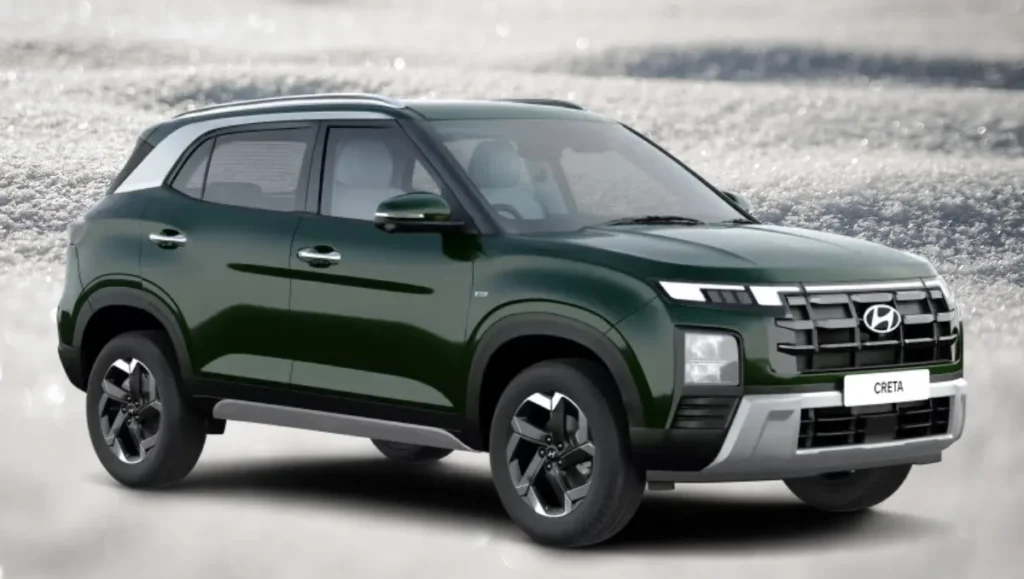
It is the car people buy when they want to avoid a gamble; it is the “safe bet” that somehow still feels like a premium luxury purchase. While rivals have spent years trying to deconstruct the Creta’s success, Hyundai has simply stayed two steps ahead by pivoting exactly when the customer’s mood shifts.
The Demographic Shift: Skipping the “First Car” Phase
Hatchbacks used to be the bread and butter of first-time car ownership, but the 2025 data tells a different story. With 32% of Cretas going to first-time buyers, it’s obvious that the “stepping stone” philosophy is over. This is a nightmare for brands relying on small cars, as the Indian consumer has decided that if they’re buying a car, it might as well be the best one in the segment.
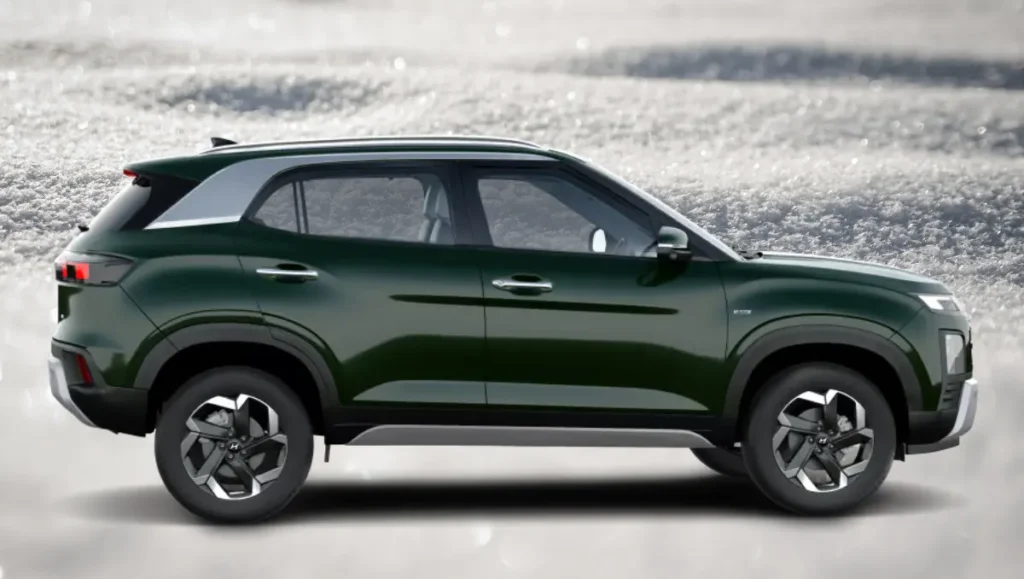
This strategic positioning is exactly why the Creta keeps crushing its rivals. By pricing the E and S(O) trims right against the top-spec sub-compacts, Hyundai has tempted young professionals to stretch their budget just a little further. They aren’t just selling a car; they are selling an upgrade. Once a buyer enters the “Creta club,” they’re likely hooked on the brand for life, viewing the SUV as their first real taste of the premium life.
The Diesel Defiance and the Sunroof Obsession
If you listen to global automotive trends, you would think the diesel engine is dead and buried. In the Indian mid-size SUV segment, however, the story is very different. In 2025, 44% of all Cretas sold were powered by the 1.5L CRDi diesel engine. This defiance of the global “anti-diesel” narrative is a testament to Hyundai’s understanding of the Indian highway culture. While rivals like Maruti and Honda have abandoned diesel entirely, Hyundai’s commitment to providing choice has kept a massive chunk of the market locked in.
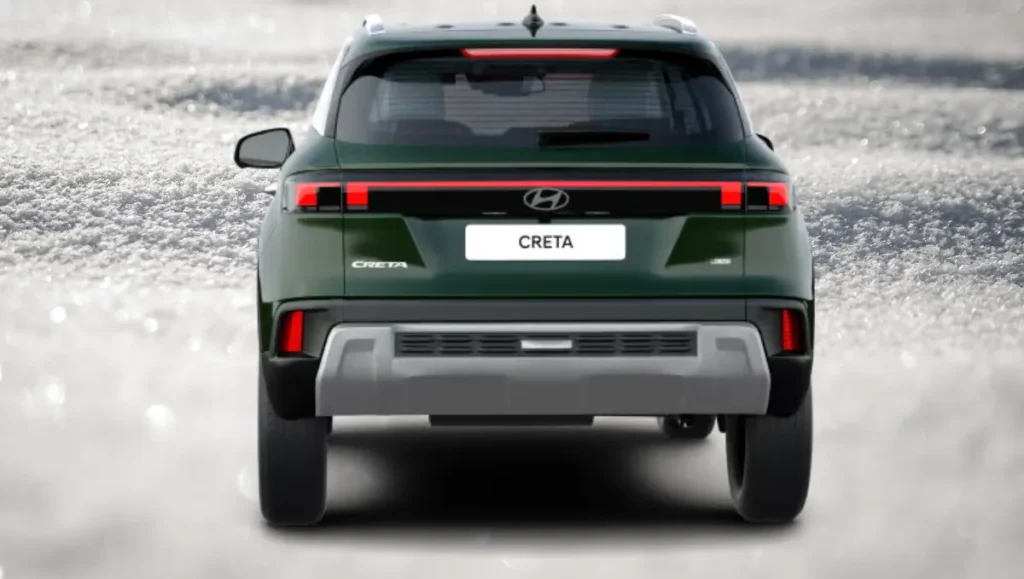
By 2025, more than 70% of Creta buyers were opting for variants with a panoramic sunroof. Hyundai was one of the first brands to “get” the Indian market—they knew that over here, a sunroof isn’t really about ventilation; it’s a major social statement. It makes the cabin feel more expensive, more airy, and more “upmarket.” By offering the sunroof even in the mid-range S(O) and SX Tech trims, they’ve made a high-end luxury feature accessible to the masses. This “democratization of luxury” is why why the Hyundai Creta is still unstoppable.
Engineering for “Messy” Indian Roads
While many critics focus on the tech screens, the mechanical tuning of the 2026 Creta is often overlooked. Forget about those stiff European setups; the Creta is built for the ground reality of the Mumbai-Pune Expressway. It’s tuned to soak up those nasty expansion joints and random rural potholes that would leave you wincing in a Taigun. The ride is purposefully “cushy,” meaning it glides over the sharp thuds that usually rattle your teeth in “sportier” German rivals.
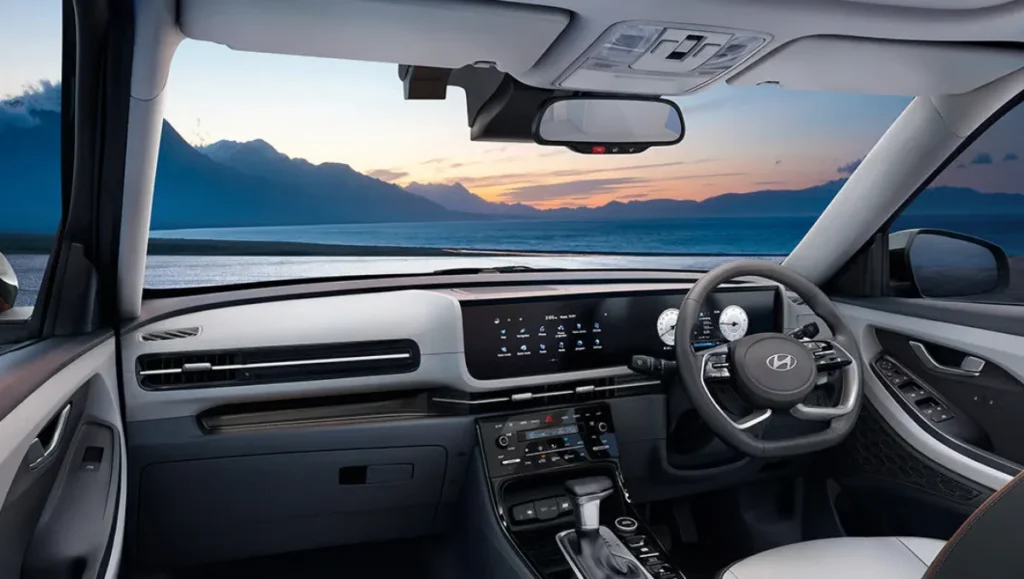
This mechanical “politeness” is a huge factor in why the Hyundai Creta is still unstoppable. When a family goes for a test drive, they don’t care about 0-100 km/h times as much as they care about whether the kids in the back seat will feel the bump in the road. Hyundai’s engineers have found a “sweet spot” in the damping that provides enough stability for high-speed highway cruising without sacrificing the soft-edged comfort needed for broken city streets. It is a balance that even more expensive luxury brands struggle to get right in the Indian context.
The Ecosystem of Trust: Service and Resale
You cannot talk about the Creta’s dominance without mentioning the absolute peace of mind that comes with the silver slanted ‘H’ on the grille. As of early 2026, Hyundai’s service network has expanded to over 1,500 touchpoints across more than 500 cities. In a country as geographically diverse as India, this is a massive competitive advantage. A buyer in a Tier-3 town in Bihar knows that if they need a spare part, they won’t have to wait three weeks for it to arrive from a central warehouse.
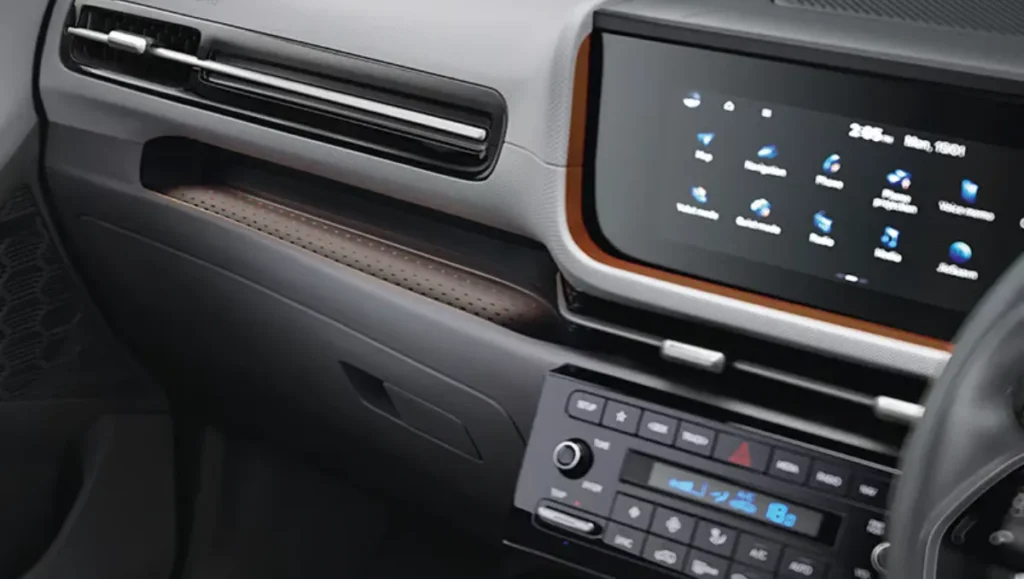
This leads directly into the Creta’s legendary resale value. In the used car market, a well-maintained Creta is essentially a “liquid asset.” Because the waiting periods for new models often stretch into months, used Cretas from 2023 or 2024 are often selling for 85-90% of their original on-road price. In some rare cases, during peak demand months, used cars have even sold at par with their original purchase price. When a consumer realizes that they can drive a car for three years and lose almost no money in depreciation, the decision to buy a Creta becomes a financial “no-brainer.” It’s a hedge against inflation on four wheels.
ADAS and the Human-Centric Tech Approach
Hyundai has basically turned the Creta into a mobile tech hub. Its Level 2 ADAS setup isn’t just for show—it packs 19 functions, including smart steering assists and collision warnings, to make sure you’re protected from every angle. However, what makes Hyundai’s system superior is the “calibration.” Many ADAS systems on the market are too aggressive for the chaos of Indian traffic—they slam the brakes if a cyclist gets too close or if a pedestrian steps off the curb.
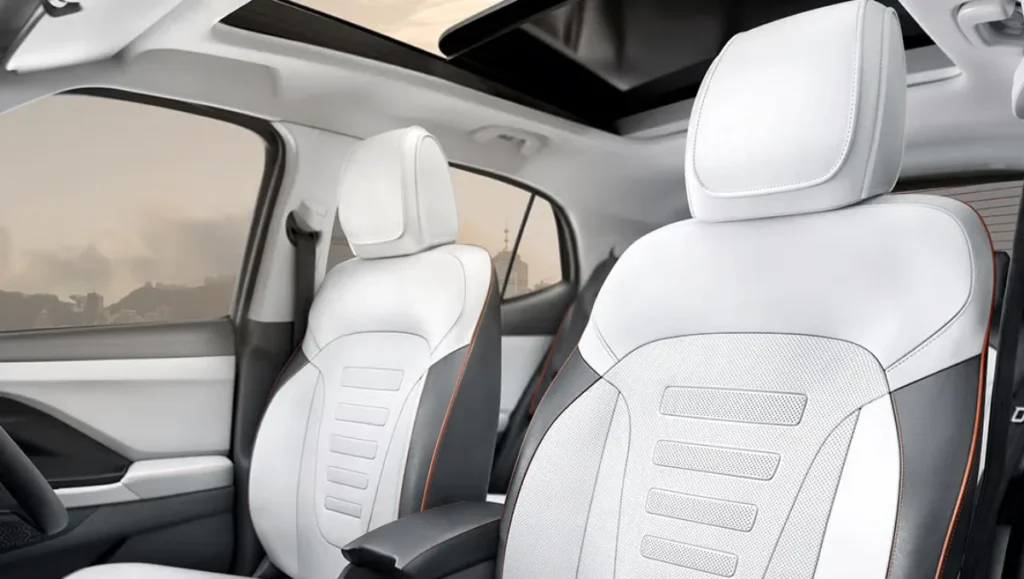
Hyundai’s SmartSense has been “Indianized.” The real win for the Creta is how usable its safety suite is. In most cars, ADAS is the first thing Indian drivers disable because it’s too sensitive. But Hyundai’s progressive braking and “Indianized” alerts make it a genuine help in heavy traffic. When you look at the King Edition’s dual-camera dashcam and 360-degree monitoring, it’s clear they aren’t just ticking boxes. They’ve built a vehicle that handles the stress of the city for you, making the drive feel safe rather than exhausting.
Conclusion
The Creta’s 2025 success story is basically the story of the new Indian dream. We’ve moved past the “budget hatchback” era and now want a car that commands respect on the road without being a nightmare to own. Buyers today want that perfect, often impossible, mix: a car that looks like a million bucks but doesn’t bleed them dry at the service center.
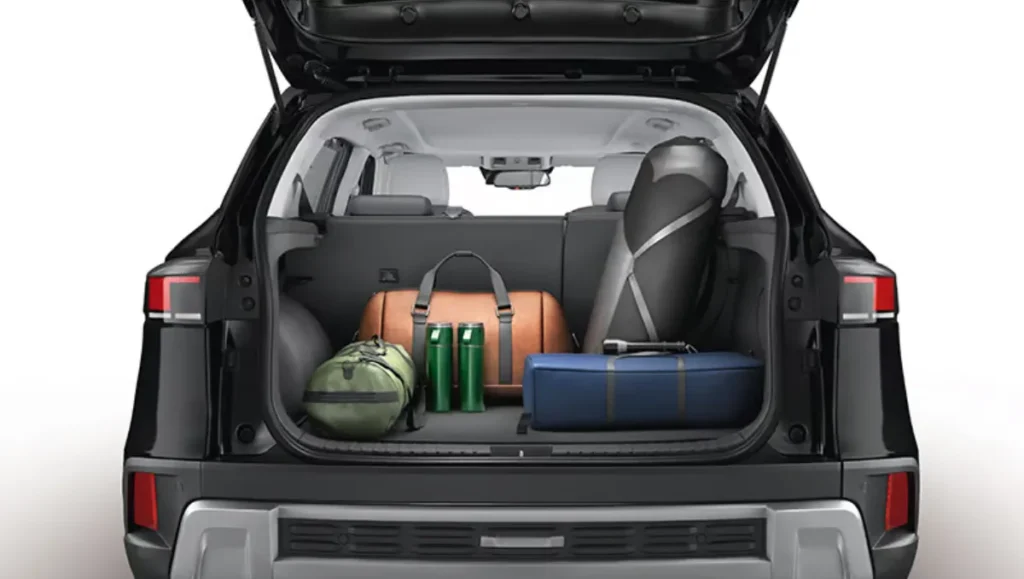
By blending high-end tech with a mechanical setup that any local mechanic understands, Hyundai has built more than an SUV—they’ve built a liquid asset. As we roll into 2026, that is exactly why the Hyundai Creta is still unstoppable.
FAQs – Lakh Sales in 2025: Why the Hyundai Creta is Still Unstoppable
1: How many Cretas did Hyundai actually move in 2025?
Hyundai crushed it by selling over 2 lakh units, which basically means about 550 cars leaving showrooms every single day.
2: Is the diesel engine still a big deal for Creta buyers?
Absolutely; despite the global shift, 44% of Indian buyers still stuck with the 1.5L diesel for that highway pull and mileage.
3: Are first-time car owners really jumping straight to a Creta?
Yes—a huge 32% of buyers in 2025 were first-timers who decided to skip the small hatchback phase entirely.
4: What’s the deal with the Creta’s resale value?
It’s basically a liquid asset; you can often sell a 2-year-old model for 85-90% of what you originally paid for it.
5: How wide is Hyundai’s service reach in India right now?
By early 2026, they’ve scaled up to over 1,500 service points, covering everything from metros to small Tier-3 towns.
6: Why is the panoramic sunroof such a massive selling point?
In India, it’s a total status flex; that’s why 70% of all Cretas sold in 2025 came with the big glass roof.
7: Does the ADAS system actually work in chaotic Indian traffic?
Hyundai “Indianized” the software so it doesn’t panic and slam the brakes every time a rickshaw gets too close.
8: How does the Creta handle those nasty highway expansion joints?
The suspension is tuned to be soft and “supple,” specifically to soak up thuds that would rattle you in a stiffer German SUV.
9: Which variants are poaching customers from the sub-compact segment?
The E and S(O) trims are the “bait” that convinces people to stretch their budget instead of buying a top-end smaller car.
10: What extra tech do you get with the “King” limited edition?
It’s the ultimate spec, adding a factory-fitted dashcam and a 360-degree camera to help with tight parking spots.
—