The New Normal: Jan Auto Sales Surge 17.6% as Rural Demand Explodes
Let’s be blunt—nobody expected the first month of 2026 to kick off with this much heat. For the last six months, everyone in the boardroom was sweating over high inventory levels and a “wait-and-see” attitude from the middle class. But the numbers just dropped, and they tell a completely different story.
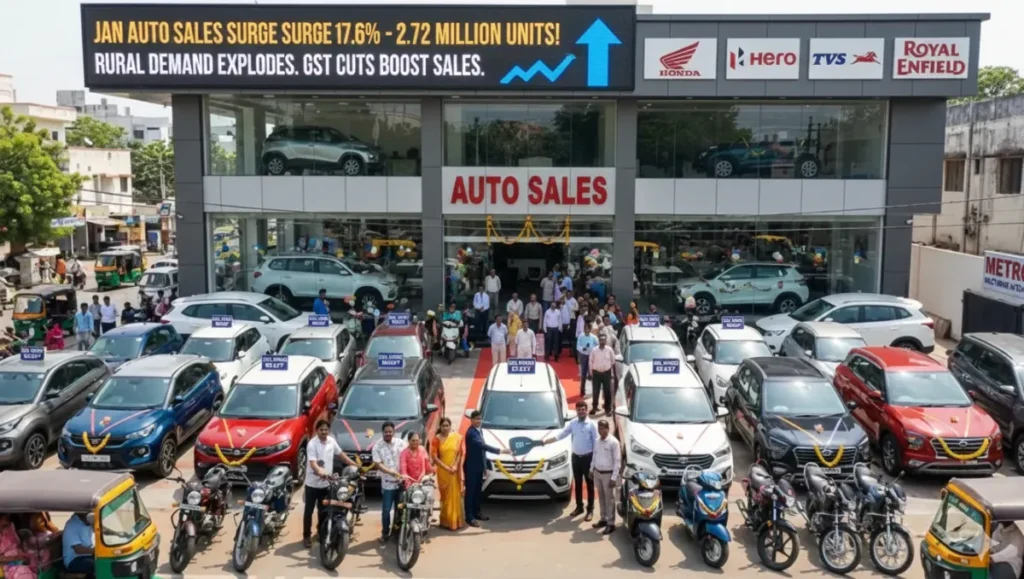
The data that dropped on Feb 10, 2026, is the kind of news dealers have been waiting for. With a Jan Auto Sales Surge 17.6% and 2.72 million units registered, the January performance is a statement. This isn’t a subtle increase—it’s a roar that’s being felt from the rural heartlands to the metros. While the urban centers like Mumbai and Bangalore are seeing steady, if somewhat flat growth, it’s the “Bharat” markets—the Tier 3 towns and rural heartlands—that are doing the heavy lifting. If you want to know where the money is flowing, look at the tractor and two-wheeler lanes.
Breaking Down the 2.72 Million Unit Month
If you look at the raw VAHAN data, the Jan Auto Sales Surge 17.6% feels like a relief valve for the entire industry. The real stars of January are the two-wheelers, clocking in at 1.85 million registrations—nearly 21% higher than the same time in 2025. This isn’t just a random spike; it’s driven by a busy marriage calendar and a rural heartland flush with post-harvest income. For the average Indian farmer, that harvest check went straight toward a new set of wheels.
The rural recovery isn’t a myth anymore. While passenger vehicles (PVs) saw a more modest growth of around 7.2%, the internal shift is what matters. Luxury SUVs are still moving, sure, but the real volume is coming from the entry-level segments in the rural belt. In fact, rural PV sales grew at a staggering 14.4%, while the urban market barely scratched a 2.7% increase. It seems the big cities are reaching a saturation point, or perhaps the traffic is just so bad people have stopped buying cars out of spite.
The GST Factor: A Policy Win That Actually Worked
You can’t talk about why Jan Auto Sales Surge 17.6% without mentioning the late-2025 GST rationalization. For years, the industry begged for a tax break on entry-level mobility, and the government finally blinked. By easing the tax burden on bikes and small cars, they basically gave the middle-class buyer a “green light.”
Dealers are reporting that this tax shift was the “nudge” that turned window shoppers into owners. Before the cuts, a 100cc bike was starting to feel like a luxury purchase for a daily wage earner. Now, with the corrected price tags, the math finally makes sense again. This policy shift didn’t just help the manufacturers; it cleared out the “dead stock” that had been sitting on dealership lots since the Diwali season.
Tractors and Commercial Vehicles: The Economic Pulse
If you want to see if an economy is actually healthy, you look at what the people who build things are buying. The tractor segment alone shot up by nearly 23% in January 2026. Farmers are optimistic, and with the reservoir levels looking good for the next crop cycle, they are investing in hardware.
On the flip side, Commercial Vehicles (CVs) grew by 15%. This is “inside baseball” talk for: things are moving. From construction materials for new highways to e-commerce packages, the fleet operators are expanding. They aren’t doing this because they want to; they are doing it because they have to keep up with the demand. The Jan Auto Sales Surge 17.6% is effectively a giant neon sign saying the Indian economy is ignoring the global slowdown.
The Inventory Headache: A Double-Edged Sword
The 17% jump looks great on paper, but talk to any dealer principal and they’ll tell you a different story. Even with the Jan Auto Sales Surge 17.6%, inventory management remains a high-wire act. We are seeing stock levels hover around the 32-to-35-day mark. That is a massive improvement from the 60-day “danger zone” we saw last year, but it’s still tricky.
The industry is fighting to maintain its current pace, but a fresh surge in input costs is making things difficult. Steel and aluminum are getting pricier by the day, and it’s only a matter of time before that hits the showroom price tags. For anyone looking at a new car, the “sweet spot” is right now—don’t expect these February prices to survive until June.
Why Metros are Flailing While Villages are Balling
It’s a weird sight. You go to a dealership in Delhi, and it’s quiet. You go to one in Kolhapur or Gorakhpur, and it’s a madhouse. The Jan Auto Sales Surge 17.6% is the first real proof of this “reverse migration” of wealth. Infrastructure projects in rural India have actually connected people to jobs, and those people need wheels.
Also, let’s talk about 2-wheelers for a second. The EV penetration in the 2W space has hit a new high this January. We’re seeing a massive pivot where people treat their scooters like appliances. Compared to the ₹100+ petrol prices, an EV that runs on 50 paise per kilometer is an easy win. The public charging grid is still “patchy,” but that hasn’t stopped the “home-charging” surge. In towns where houses have easy ground-floor access, the convenience of a standard 3-pin plug is actually beating the traditional petrol pump experience.
The Road to the End of Q4
As we head into the final months of the fiscal year, everyone is asking the same thing: can this 17% growth stick? The FADA (Federation of Automobile Dealers Associations) president recently noted that while the Jan Auto Sales Surge 17.6% is a massive win, we need to be careful about over-production.
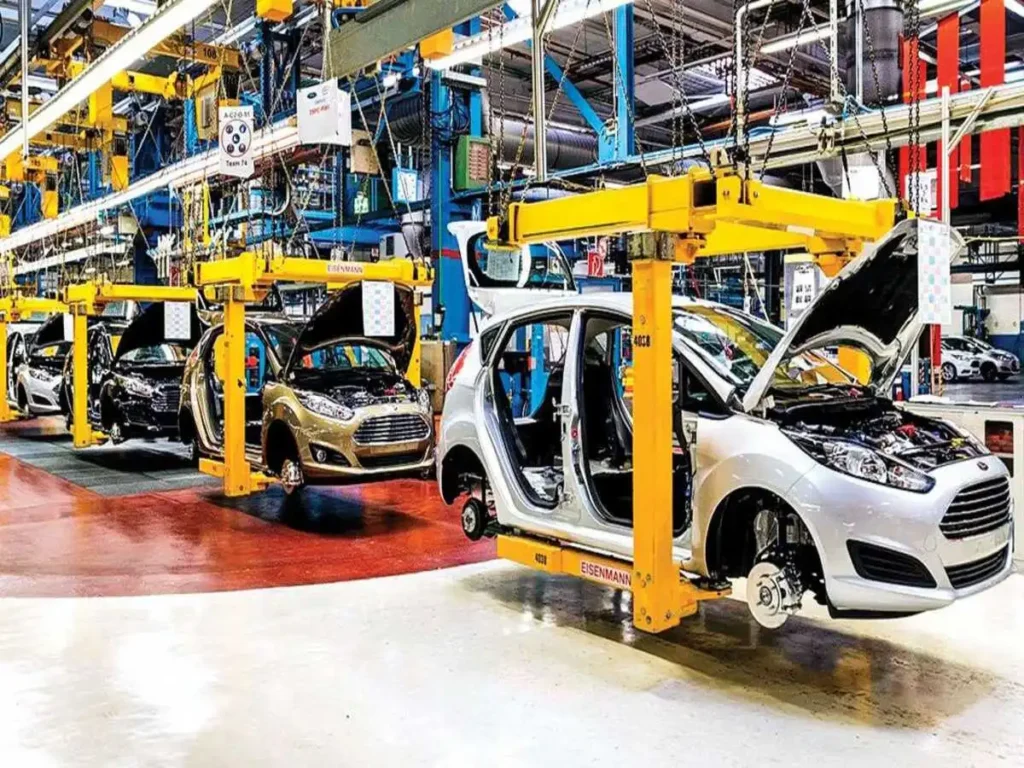
Build hatchbacks for an SUV-hungry market and you get stuck with dead stock. It’s that simple. Fortunately, the “now” is different—showrooms are buzzing with an electric kind of energy. With the wedding season in full swing and harvest cash finally hitting farmers’ pockets, that “feel-good” factor has officially returned to the showrooms.
Looking at the Competition
How does this stack up against the global market? While Europe and the US are struggling with high interest rates and “EV fatigue,” the Indian market is doing its own thing. We have a young population, a growing road network, and a government that finally understands that taxing cars like they are “sin goods” doesn’t help anyone.
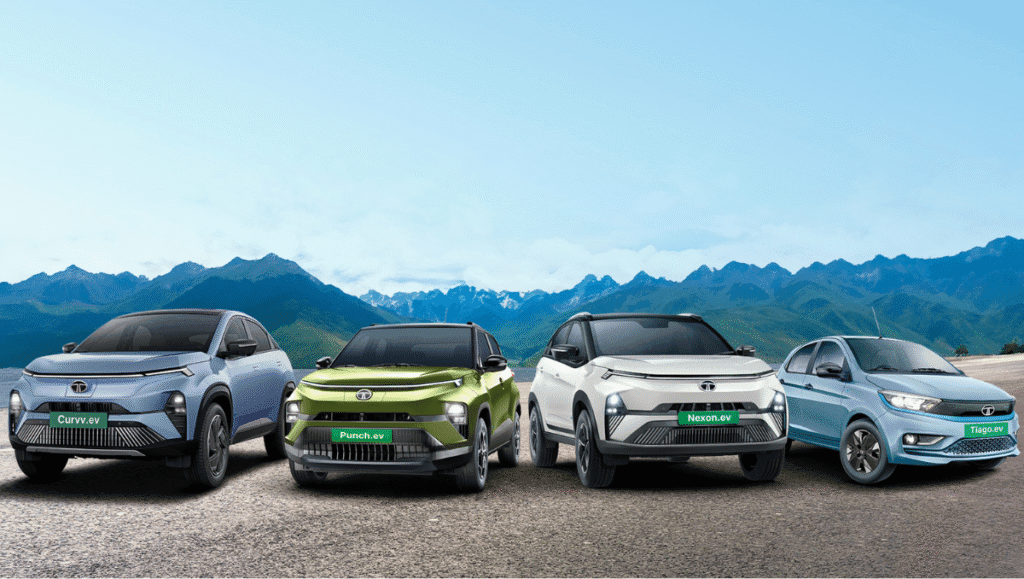
The Jan Auto Sales Surge 17.6% isn’t an anomaly. It is the result of three years of pent-up demand finally meeting a stable supply chain and a sensible tax policy. Whether you are a shareholder in Maruti, a fan of Tata’s EVs, or a Mahindra SUV loyalist, January 2026 gave you something to smile about.
Vehicle Category-wise Retail Data for January 2026:
- Two-Wheelers: 18,52,870 units (Up 20.8%)
- Passenger Vehicles: 5,13,475 units (Up 7.2%)
- Commercial Vehicles: 1,07,486 units (Up 15.1%)
- Tractors: 1,14,759 units (Up 22.9%)
- Three-Wheelers: 1,27,134 units (Up 18.8%)
Final Takeaway
The 17.6% jump is a clear indicator that the “bottom of the pyramid” is finally spending again. We’re seeing a massive shift away from the “top 1%” market. The real action is in the heartland, where people are finally pulling the trigger on tractors and commuter bikes. As long as the rain stays on track and GST policy remains stable, this year is heading for the history books. My advice? Grab your keys now. Waiting until summer just means paying more when the manufacturers adjust for rising costs.
FAQs – Jan Auto Sales Surge 17.6%: Rural Markets Lead
1: Why did auto sales jump 17.6% in January 2026?
It’s a mix of a busy wedding season and farmers getting paid for their crops. The GST drop from last year also made bikes and cars much cheaper for regular families.
2: Which vehicle segment saw the highest growth?
Tractors were the big winners with a 23% jump. Two-wheelers followed at 21%, with 1.85 million units sold as the rural market really started spending again.
3: What is the “GST Factor” mentioned in the report?
The government cut GST on entry-level vehicles from 28% to 18% last September. That 10% price cut is why people are finally buying instead of just window shopping.
4: Are electric scooters actually cheaper to run?
Yes. Petrol is pricey at ₹100+, but an EV scooter costs roughly 50 paise per kilometer. In small towns, people just charge them using a standard home wall plug.
5: Why is rural demand beating urban sales?
Cities are hitting a wall with traffic, but rural areas are booming. New roads are being built, and farmers have extra cash in hand to upgrade their old wheels.
6: What is the current status of dealership inventory?
It’s in a better spot. Stock is down to about 32 days now. This is a huge relief compared to last year when dealers were stuck with two months of unsold cars.
7: Are vehicle prices expected to rise soon?
Most likely. Metal costs for steel and aluminum are creeping up. If you’re looking to buy, February is better than June, when brands will likely hike their rates.
8: How did Commercial Vehicles (CVs) perform?
CV sales grew by 15%. This shows the economy is moving. From building new highways to delivering online orders, companies need more trucks to keep up with the work.
9: Is there a shortage of any specific vehicles?
There’s a mismatch. Factories are making plenty of hatchbacks, but the market wants sub-compact SUVs. You might wait months for a Nexon or Brezza while hatches sit on the lot.
10: What is the outlook for the rest of 2026?
It looks very positive. As long as the monsoon is good and taxes stay where they are, 2026 is on track to break records for the Indian auto world.
—