

Bajaj Chetak C2501 Launched in India: A Bold Move Toward Affordable Mobility
While the Indian EV space has been active for months, today things took a much more functional turn. In a market where high-performance EVs often come with eye-watering price tags, the Bajaj Chetak C2501 launched in India earlier today, aiming to bridge the gap between “premium” and “attainable.” Priced at ₹91,399 (ex-showroom, Bengaluru), this new variant isn’t just about saving money; it’s about making the iconic Chetak brand a reality for those who previously felt priced out of the electric revolution.

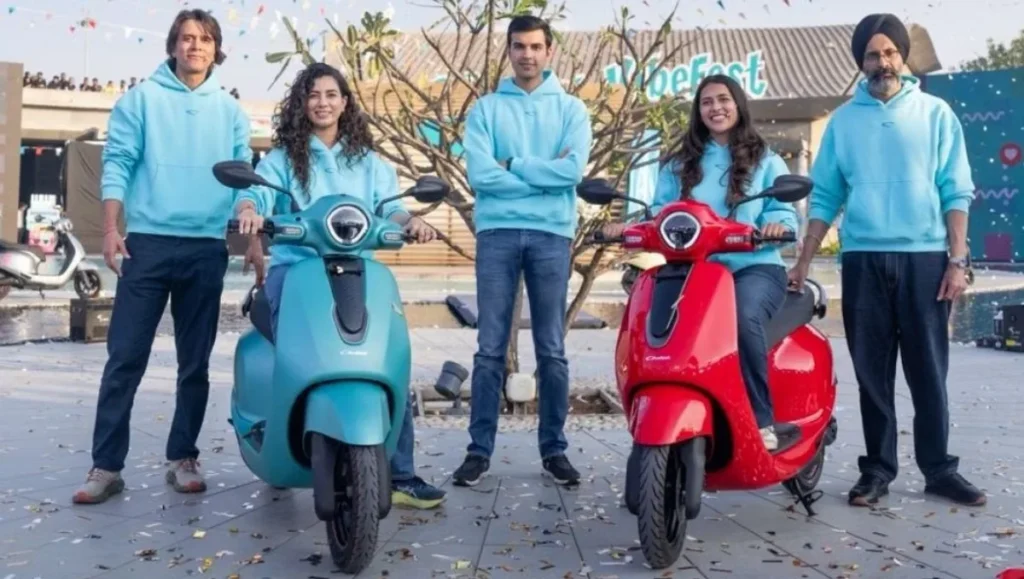
The Bajaj Chetak C2501 is unveiled during the official launch event.
Bajaj has always pushed its “Solid Metal Body” idea over the years. Even when startups went with plastic and fiber panels to save on weight, the Chetak stayed a heavy-duty, if slightly expensive, pick. The new C2501 from the Series 25 range shows that the company is taking feedback from Tier 2 and Tier 3 cities seriously. People there appreciate the strength of a metal body, but they do not always need a massive 150km range or the 70km/h top speed seen on flagship scooters.
The Strategic Shift: Why the Bajaj Chetak C2501 Launched in India Now
The timing here is everything. With the 2026 market seeing a plateau in high-end EV sales, the growth is now coming from the entry-level segment. By positioning this model under the ₹1 lakh mark, Bajaj is directly challenging the likes of the TVS iQube 2.2 and the Ola S1 X. It’s a smart play—leverage the massive trust in the Chetak nameplate and offer a package that covers 90% of what an average city commuter actually needs.
One of the most notable changes in this version is the move to a hub-mounted motor. This is a first for the Chetak line-up. They used to use a more complicated mid-drive layout. By picking a 2.2kW peak hub motor, Bajaj reduced the weight and made it cheaper and easier to manufacture. Does it feel slower? On paper, perhaps. But in the real world of city traffic where you rarely cross 40km/h between traffic lights, it feels just as snappy as its bigger brothers.
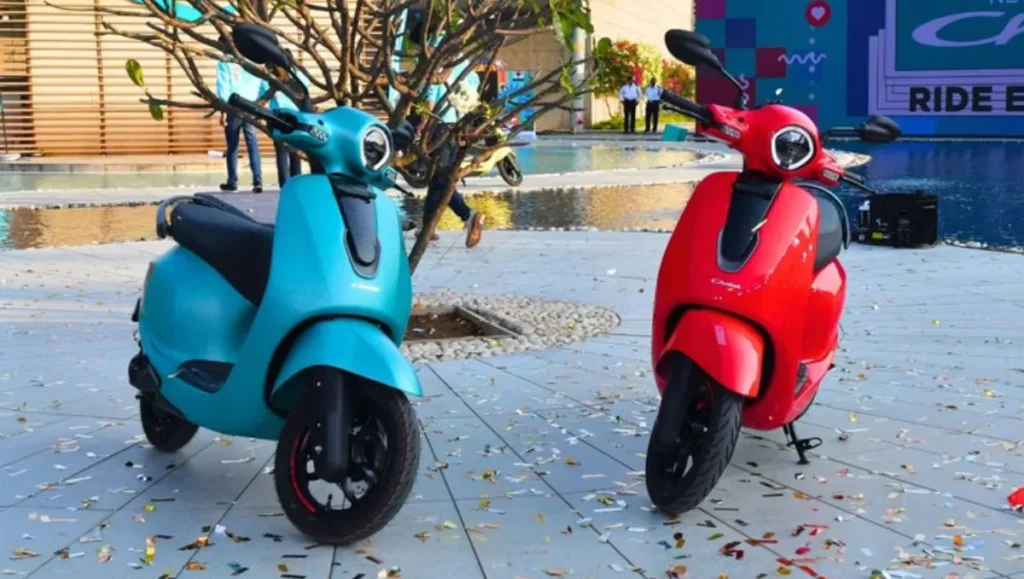
The Bajaj Chetak C2501 is displayed in multiple colours at its launch event.
Range vs. Reality: Making sense of the Chetak’s new battery
Under the floorboard, the Bajaj Chetak C2501 launched in India carries a 2.5kWh battery pack. It’s an NMC (Nickel Manganese Cobalt) unit, which is the standard for the series. Bajaj claims an IDC range of 113km on a single charge. If we’re being realistic—and most Indian riders are—you’ll probably see around 85 to 95km of true range depending on how much you use the ‘Sport’ mode.
For the average 15-20km daily commute, you would only need to plug this in twice a week. Speaking of plugging in, the scooter comes with a 750W off-board charger. It isn’t a “fast charger” in the modern sense, but it gets the job done from 0 to 80% in about 2 hours and 25 minutes. A full charge takes roughly 3 hours and 45 minutes. It is basically designed for an overnight top-up or office use.
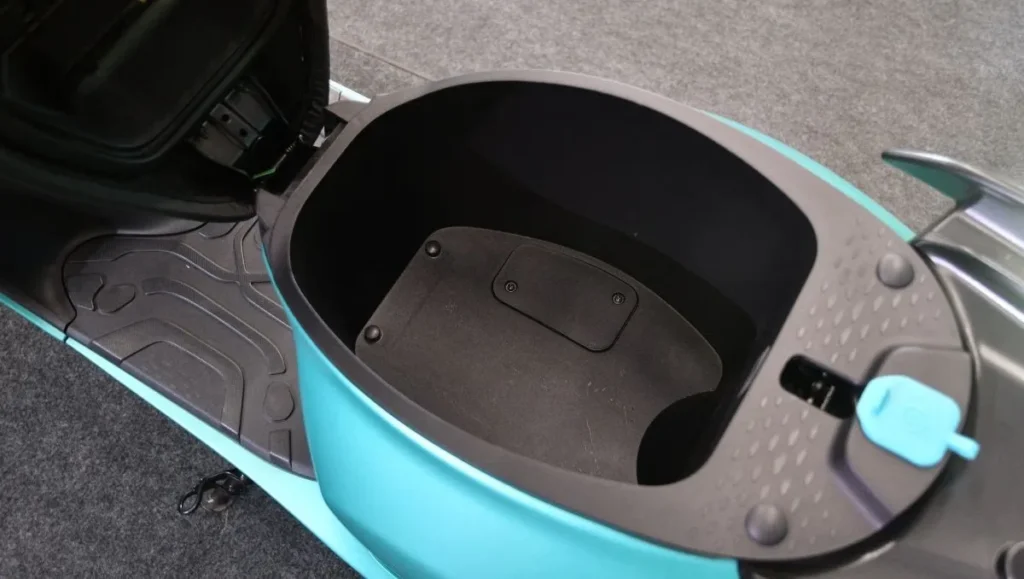
The Bajaj Chetak C2501 offers underseat storage for small luggage and accessories.
Key Technical Specifications
| Feature | Detail |
| Ex-Showroom Price | ₹91,399 (Bengaluru) |
| Battery Capacity | 2.5 kWh NMC |
| Claimed Range (IDC) | 113 km |
| Top Speed | 55 km/h |
| Motor Type | Hub-mounted BLDC |
| Peak Power Output | 2.2 kW |
| Charging Time (Full) | 3 Hours 45 Minutes |
| Storage Capacity | 25 Litres |
| Kerb Weight | 108 kg |
Design and Ergonomics: Same Soul, New Vibe
The visual identity of the Chetak hasn’t been sacrificed for the lower price point. Bajaj kept that timeless silhouette that calls back to the original petrol scooters from decades ago. But it isn’t an exact copy. They have refreshed the front apron and moved the indicators to a new spot on the handlebar for a slightly different look.At the back, the old split-taillight design has given way to a single, horizontal “Ice Cube” LED unit.
Comfort has actually improved in some areas. The 650mm long seat is flatter now, which helps a lot when you have someone on the back. The seat height is an easy 763mm, which helps shorter riders feel much more in control. The weight is the biggest change here. At 108kg, the C2501 is roughly 22kg lighter than the 35 series. It feels incredibly light when you are cutting through traffic or shoving it into a tight parking spot.

The Bajaj Chetak C2501 gets a modern fully digital instrument console.
Tech Features and the “TecPac”
Even though this is the budget-friendly sibling, Bajaj hasn’t stripped it bare. It features a crisp, reverse-lit LCD console. It’s easy to read even under the harsh Indian afternoon sun. You get the basics like speed, battery levels, and trip data.
If you want the full “tech experience,” you can opt for the “TecPac.” This optional software upgrade unlocks features that were previously reserved for the more expensive variants. We’re talking about:
- Hill-Hold Assist: Essential for those pesky flyover jams.
- Bluetooth Connectivity: For music control and call alerts.
- Additional Riding Modes: Switching between Eco for range and Sport for performance.
- Reverse Assist: Because even at 108kg, backing up a hill isn’t fun.
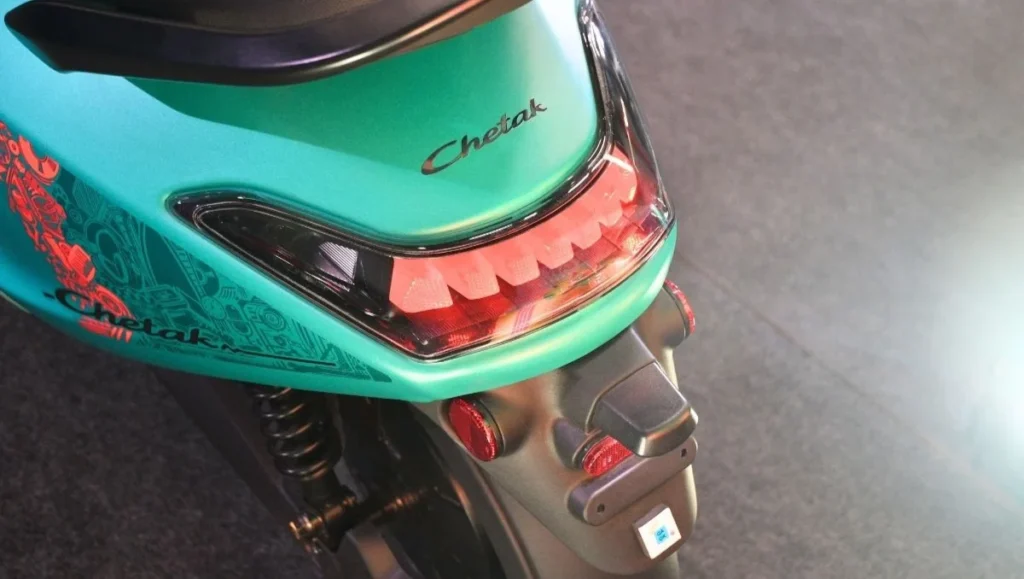
The Bajaj Chetak C2501 features a distinctive LED tail lamp and clean rear design.
Safety and Braking Performance
Bajaj is prioritizing safety with the C2501’s hardware. Despite the lower price, the Bajaj Chetak C2501 launched in India still features a front disc brake as standard. You get much more confident stopping power with this setup compared to the drum-only configurations found on many budget electric scooters. The scooter rides on 12-inch wheels with a revised suspension setup. Bajaj has swapped the traditional leading-link front suspension for a more modern telescopic fork. The result is a front end that stays stable and “planted” whenever you have to brake hard or navigate a sharp turn in traffic.
The IP67 rating for the battery and motor is a lifesaver during the Indian monsoons. It gives you the peace of mind that a heavy downpour or a bit of water-logging won’t turn your expensive purchase into a giant paperweight.
Market Rivalry: How It Stands Out
There is no shortage of rivals in the current EV landscape. The TVS iQube 2.2 is perhaps the most direct threat, although it is priced slightly higher for the entry-level buyer. Then you have the Ola S1 X, which offers more punchy performance but falls short of the heavy-duty metal construction that Bajaj owners have come to expect.
What gives Bajaj the edge is the service network. With over 3,000 service touchpoints, a Chetak owner is never too far from help. For a first-time EV buyer, that “peace of mind” factor often outweighs having a fancy touchscreen or a slightly higher top speed.
A New Standard for Value
The Bajaj Chetak C2501 launched in India represents a shift in philosophy. The C2501 is an honest acknowledgment that “super-scooters” are often more than what the average person needs. Most of us just want a solid, good-looking, and budget-friendly way to get around the city without spending on petrol. With its 113km range, metal build, and a price comfortably under ₹1 lakh, this scooter is definitely going to be a common sight on the road very soon.
Bajaj has kept it strictly “no-frills” to focus on the value. It isn’t trying to be a high-tech gadget—it’s just a dependable scooter at a price that makes sense.For anyone who stayed away from EVs due to the “premium” tax, this launch makes switching a no-brainer. The C2501 is all about value. It’s not revolutionary, but it is affordable.
FAQs – Bajaj Chetak C2501 launched in India at ₹91,399
1: How much is the new Chetak C2501?
It costs ₹91,399 ex-showroom in Bengaluru, which is way cheaper than the older versions.
2: What is the total range on one charge?
Bajaj says 113km, but in the real world, you are looking at about 85km to 95km.
3: Will I find a metal body or plastic on this?
They kept the metal body, unlike most other brands that use plastic to save cash.
4: How quickly does the battery top up?
About 3 hours and 45 minutes for a full charge. You can hit 80% in roughly 2 hours and 25 minutes.
5: What motor does this one have?
It uses a 2.2kW hub motor. This is simpler and lighter than the mid-drive ones they used before.
6: How fast is it?
The top speed is 55km/h. It’s built for city traffic, not for racing on highways.
7: Is it good for short people?
Yes. The seat is low at 763mm and the whole bike is 22kg lighter, so it’s easy to handle.
8: Do I have to pay for Bluetooth?
Yes. You need to buy the “TecPac” if you want things like Bluetooth, reverse mode, and hill-hold.
9: Is it heavy?
No. It weighs 108kg, which is a massive 22kg drop compared to the 35 series.
10: Can I ride it in the rain?
The motor and battery are IP67 rated. That means rain and puddles won’t kill the bike.
—