Bajaj Pulsar N160 New Variant Launched: New Seat, New Suspension and a Smarter Price Tag
Bajaj Pulsar N160 New Variant Launched in India. The updated model aims to reach a wider audience by offering a more accessible, slightly tweaked version of the popular 160 cc commuter-sport bike. Rather than being a full redesign, this is a practical update — swapping a few features and adjusting specs — but for many riders, the “new variant” could be an ideal entry point into the Pulsar family.
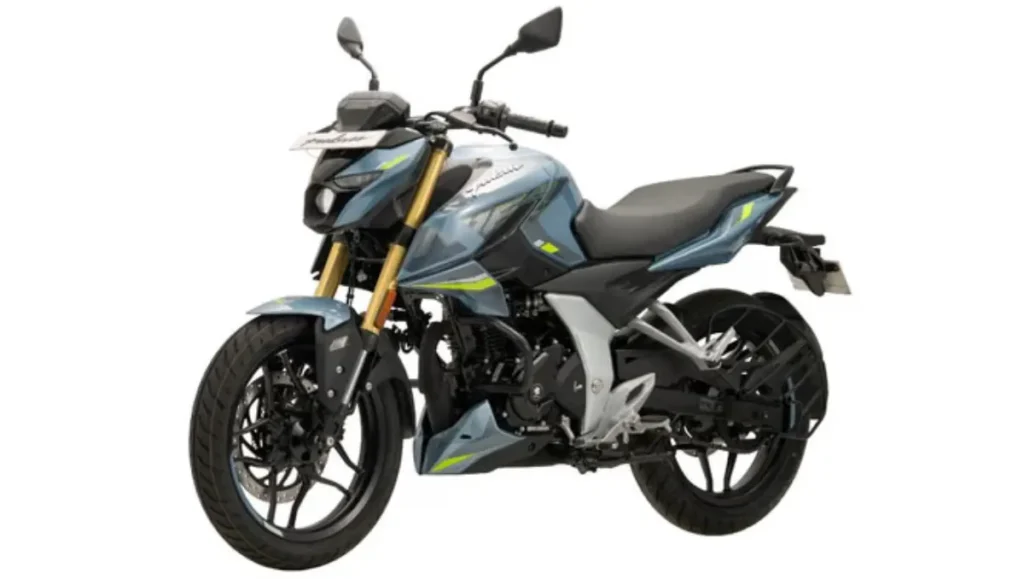
Let’s break down what’s different in this new variant, what stays the same, and whether the updated Pulsar N160 makes sense for you today.
What’s New with the Bajaj Pulsar N160 New Variant Launched
The newest update for the Pulsar N160 isn’t about added power or radical styling — it’s about making the bike more accessible and utility-friendly. The manufacturer has rolled out a single-seat variant with single-channel ABS, repositioning some components to reduce costs while offering a simpler, bomber-friendly riding option.
Single-Seat Setup & Single-Channel ABS
The most visible change: this variant replaces the split-seat setup common on many 160cc-class machines with a single-piece seat. This makes the N160 more utilitarian, especially for riders who mostly ride solo or prioritize practicality over pillion comfort.
On the safety front, rather than the dual-channel ABS (front + rear) that higher-end Pulsars use, this variant comes with a single-channel ABS system to keep costs down — front- or rear-wheel only, typically front.
Conventional 37 mm Telescopic Fork Instead of USD Fork
Another cost-saving move: instead of the Upside-Down (USD) front forks seen on sportier Pulsar N160 versions, the new variant gets a standard 37 mm telescopic front fork plus a nitrox monoshock at the rear.
The change makes ride and maintenance simpler, and potentially more forgiving on rough Indian roads — a sensible move for everyday commuting or budget-conscious buyers.
What Remains the Same — The Pulsar N160 DNA
Despite the simplifications, the new variant retains the core mechanical and performance features that made the Pulsar N160 successful.
🔧 Engine & Performance
The N160 continues to use the same 164.82 cc, single-cylinder, air-cooled, SOHC engine. It delivers 16 PS at 8,750 rpm and 14.65 Nm torque at 6,750 rpm. The 5-speed manual gearbox remains intact.
So if you were drawn to the N160’s balance of manageable power and good fuel efficiency, this remains unchanged.
🚴 Chassis, Brakes, Tyres
Even with the new seat and suspension design, the bike keeps disc brakes at both ends (300 mm front, 230 mm rear) — though ABS is now single-channel. Tyres remain 17-inch tubeless units with typical widths for the 160cc class (front 100/80, rear ~130/70 — depending on variant).
⛽ Fuel Efficiency and Practicality
Fuel tank capacity remains 14 litres, and the N160 is still a fuel-efficient commuter: owners commonly report mileage in the ballpark of 50-60 kmpl under mixed usage.
That makes this variant a practical everyday bike — whether you’re commuting daily, doing city runs, or going on occasional weekend rides.
Pricing & Positioning of the New Variant
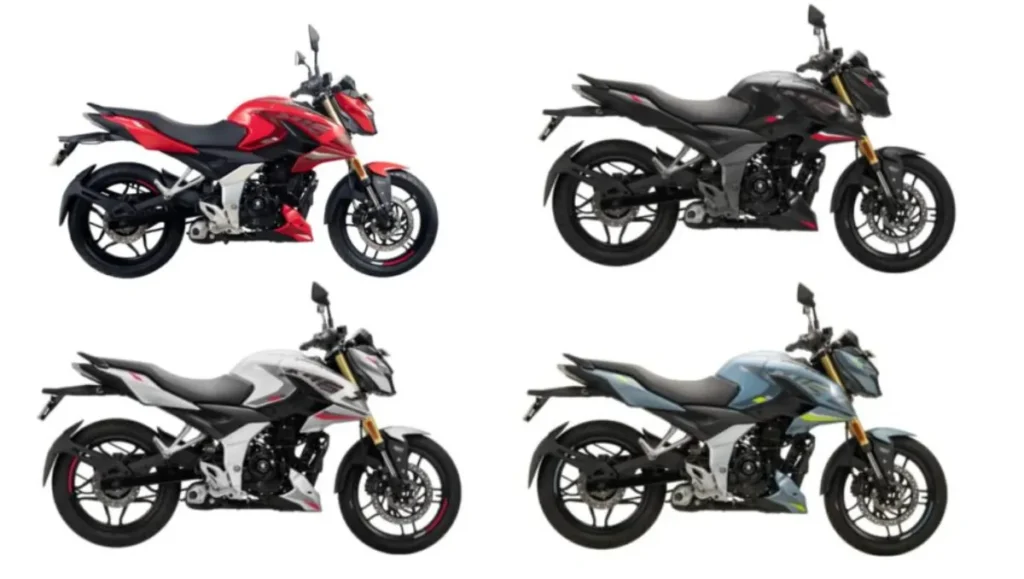
Because the updates are more about cost-optimizing than upgrading, the new variant sits at a lower price point relative to older USD-fork, dual-channel ABS models — making it more budget-friendly for riders who don’t need all extra features.
For context: older N160 variants started around the ₹1.13–1.26 lakh (ex-showroom) range depending on spec.
So the new Pulsar N160 variant effectively brings the 160cc Pulsar offering down to a more accessible price bracket, without sacrificing the core riding experience or engine.
Who Should Consider the New Variant — And Who Should Skip It
👍 A Good Fit For
- First-time buyers who want a reliable 160cc bike with manageable running costs.
- Solo riders / daily commuters who rarely carry a pillion and prefer simpler maintenance and lower upkeep.
- Budget-conscious buyers who like the Pulsar badge but don’t need USD forks or dual-channel ABS.
- City riders and short-distance commuters who value fuel efficiency, easy handling, and low maintenance.
🤔 Might Not Suit Those Who Want
- Maximum performance — the engine is modest and tuned for efficiency rather than outright speed.
- Sporty handling — telescopic fork and single-channel ABS might feel basic compared to USD-fork variants.
- Frequent pillion rides — the single-seat setup is less comfortable for passengers, especially on long trips.
- Premium features — this variant omits some bells and whistles to keep costs down.
Verdict: Bajaj Pulsar N160 New Variant Launched — A Sensible Budget-Friendly Pulsar
The Bajaj Pulsar N160 New Variant Launched might not draw headlines for dramatic design or performance upgrades — but that’s exactly its strength. It’s a no-frills, back-to-basics entry into the 160cc Pulsar range, offering reliable engine, proven styling, and manageable running costs.
If you want a bike that mixes the Pulsar heritage with everyday sensibility — something that won’t burn a hole in your pocket — the new variant is worth a serious look. It acknowledges the real-world needs of many Indian riders: economy, ease, and value over flash.
Of course, for those seeking sportier handling, pillion comfort, or top-end specs, the higher-end Pulsar N160 variants still hold value. But for a reliable, affordable, well-rounded 160cc bike in 2025, the updated N160 variant is arguably among the smartest buys in its class.
In short: Pulsar re-imagined for riders who want common-sense over pieces-of-paper specs — and that may well matter more than horsepower for everyday use.
FAQs – Bajaj Pulsar N160 New Variant Launched
Q1. What exactly is new in the Bajaj Pulsar N160 New Variant?
The biggest change is the move to a single-piece seat and the switch to single-channel ABS. Bajaj also replaced the USD fork with a regular telescopic fork to keep things simpler and more affordable.
Q2. Does the new variant perform any differently from the older Pulsar N160?
Not really. The engine and gearbox are unchanged, so the performance feels the same as before. It’s still built around efficiency and easy city riding rather than outright speed.
Q3. How is the ride quality on the new telescopic fork setup?
The telescopic fork isn’t as sporty as the USD unit, but for most everyday riders, it feels smoother on rough roads and is cheaper to maintain. It’s more of a comfort-first change.
Q4. Is the new single-seat layout actually useful?
For riders who travel solo most of the time, yes. It makes the bike feel simpler and a bit more commuter-friendly. For people who regularly take a pillion, it might feel like a step down from the split-seat design.
Q5. Has Bajaj changed anything in the braking setup?
Only the ABS system. Instead of dual-channel ABS, the new variant uses single-channel ABS. The discs remain the same sizes as before, so braking power doesn’t really drop, but the tech is simpler.
Q6. What kind of mileage can riders expect from this updated N160?
Most owners still report around 50 to 60 kmpl depending on traffic and riding habits. Since the engine hasn’t changed, the fuel efficiency stays one of the bike’s strongest points.
Q7. Is this new variant cheaper than the older Pulsar N160 versions?
Yes, that’s the whole idea. By dropping a few premium components, Bajaj is able to offer this variant at a more accessible price, making it easier for first-time buyers to enter the 160cc segment.
Q8. How does the suspension change affect everyday riding?
The telescopic forks are more basic, but they also tend to be easier to maintain and handle rougher roads without feeling too fancy. Commuters might actually prefer the simpler setup for daily use.
Q9. Who is the Pulsar N160 new variant best suited for?
If someone wants a reliable 160 cc bike mainly for everyday travel, doesn’t ride with a pillion often, and prefers lower running costs, this variant makes a lot of sense. It’s straightforward and practical.
Q10. Should someone upgrade from an older N160 to this new version?
There isn’t a strong reason to upgrade unless a buyer specifically prefers the new seat or wants a cheaper Pulsar N160 option. Performance and mechanical parts are the same, so most current owners won’t feel much difference.
—