BMW F 450 GS production begins in India and What it Means for Adventure Bike Lovers
BMW F 450 GS production begins in India – the German ADV maker is betting big on India as a hub for its new entry-level adventure machine. And that matters, especially for riders looking for premium build quality, twin-cylinder performance, and a bike made right here in India.
BMW F 450 GS Production Begins in India — What Changed, and Why it Matters
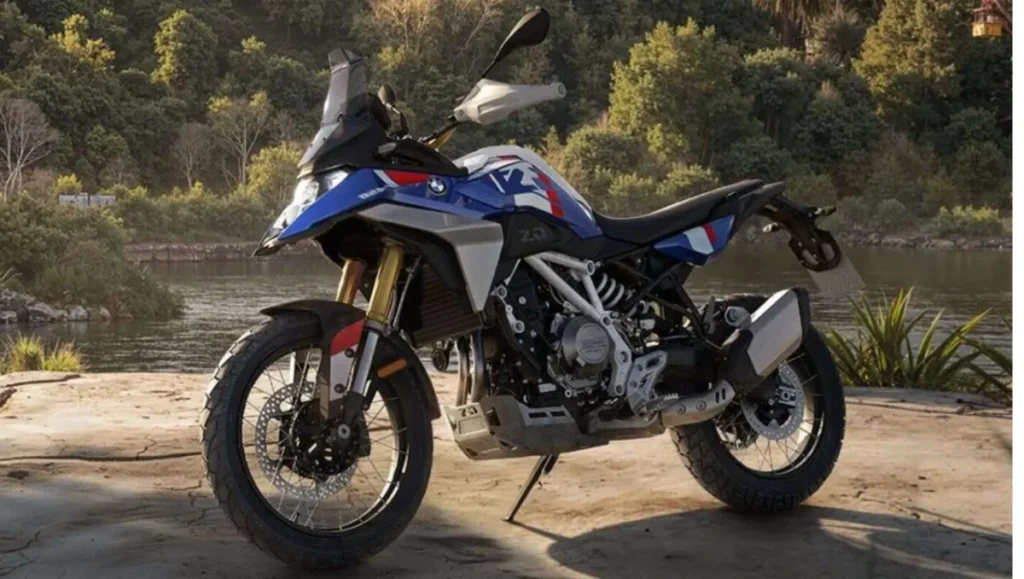
The headline isn’t fluff. The production-spec version of the BMW F 450 GS is now being built at the TVS Motor Company facility in Hosur. That means BMW’s smallest twin-cylinder GS will not just be imported — it will be locally made, which usually helps keep costs down and spares/servicing accessible.
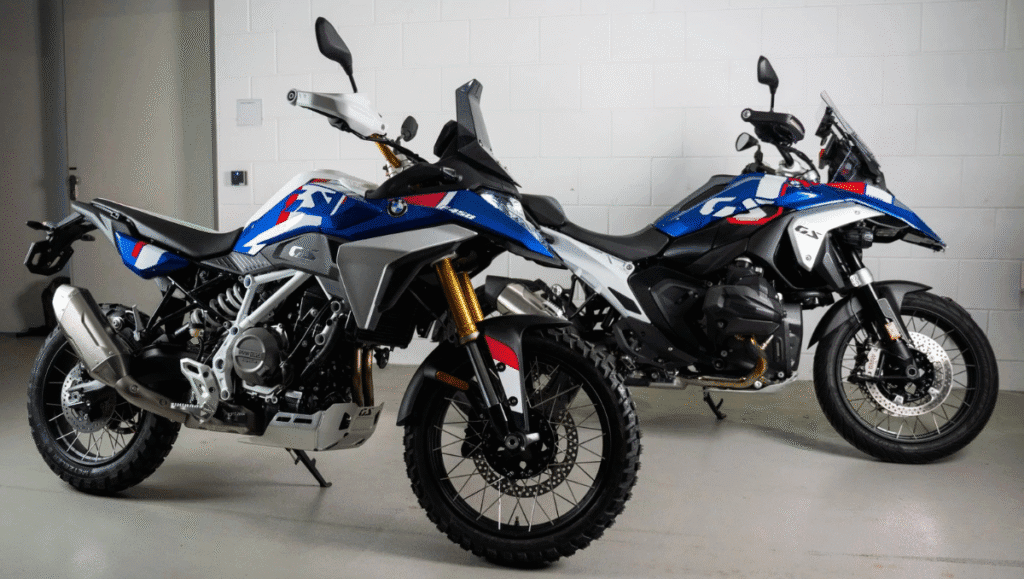
With that move, BMW replaces the older single-cylinder entry-level bike (the G 310 GS) and positions the F 450 GS as the fresh gateway into its GS adventure lineup for many riders, especially in India.
For someone hunting a capable AD-venture bike that won’t break the bank, this news matters — because production in India can nudge the price down compared to fully imported models.
What the Bike Packs: Engine, Specs and Design
The F 450 GS brings some serious upgrades over its predecessor. Under the skin is a 420cc parallel-twin, liquid-cooled engine — a significant step up from a single-cylinder 310. In production trim, that motor is good for about 48 hp at 8,750 rpm and roughly 43 Nm of torque at 6,750 rpm.
The frame is a steel bridge/trellis style frame. Suspension comes courtesy of a 43 mm USD fork up front and monoshock at the rear, giving it decent ground clearance and good handling dynamics.
Weight remains impressively manageable for a GS-class bike — about 178 kg kerb. That means the F 450 GS stays nimble enough for urban rides while having the credentials to tackle light-to-medium adventure trails.
Design-wise, the bike retains the classic “GS look” — sharp front beak, purposeful fairing, compact but muscular tank and ergonomics built for both on-road comfort and off-road control. Quad-LED DRLs and a mono-disc front brake (with brand-typical Brembo or ByBre caliper depending on region) make the bike feel modern yet practical.
Inside the do-it-all package you also get modern tech — ride modes (Rain, Road, Enduro, with Enduro Pro on higher trims), a 6-speed gearbox, quickshifter (on most variants), and even an Easy Ride Clutch option on top trims for smoother, low-speed riding.
Likely Price and Variants: What to Expect
One of the biggest hopes tied to local production is affordability. Early unofficial info suggests an ex-showroom price somewhere around ₹4.5 lakh for the base model, possibly going up to ₹5 lakh depending on trim and options.
BMW dealers in India have already started accepting token pre-bookings (ranging roughly ₹10,000–₹25,000), indicating confidence that the launch may be near.
Expected variants appear to include Basic, Exclusive, Sport, and a top-end GS Trophy trim. Differences will mostly be in electronics, wheel/suspension setup, and convenience/comfort features — core mechanicals remain the same across trims.
If BMW manages to keep the price tagging realistic, this could be one of the most accessible twin-cylinder adventure bikes in India — a big deal if you compare with higher-end GS models or imported bikes.
What this means for Indian riders
For riders seeking a versatile, do-it-all bike — part city commuter, part adventure partner — F 450 GS could fill a sweet spot. Local manufacturing by TVS means parts and service will likely be easier to source, which matters for long-term ownership.
Because it replaces the older G 310 GS, it also means BMW is aiming to grow its base in India with more accessible yet premium-feeling bikes. If F 450 GS delivers well on rider aids, reliability and service convenience, it may broaden the GS fan base beyond hardcore adventure riders.
From a practical standpoint, the twin-cylinder engine with manageable displacement and modern chassis means a bike that’s not too heavy for everyday usage, yet with enough grunt for highway cruising or light touring.
What remains uncertain (or worth watching)
While production has started and pre-bookings are underway, there’s no confirmed official launch date as of yet. Many expect the announcement could come at India Bike Week 2025, with deliveries to begin early 2026.
Also, final on-road pricing will depend on local taxes, trim chosen, dealer setup and availability. A sub-₹5 lakh ex-showroom tag is hopeful — but a little premium could easily push the bike into more expensive territory.
The long-term reliability of the new 420 cc twin engine, costs of upkeep, and availability of spare parts will also matter once the bikes are on road. Those are variables that only time can answer.
Who This Bike is Ideal For
- Riders looking for a first “real” ADV that balances city commute and adventure without being too heavy or expensive.
- People who like the GS heritage and want a twin-cylinder GS feel without the high cost of bigger GS models.
- Budget-conscious riders who value reliability, local servicing and long-term ownership costs over flashy premium features.
- Adventurers who want a mid-capacity bike for occasional touring, weekend trips or light off-road, without the expense of a larger 800-1000 cc ADV.
Takeaways
The phrase BMW F 450 GS production begins in India is more than a manufacturing milestone — it’s a signal. It shows BMW sees India not just as a market, but as a manufacturing hub for globally relevant bikes. It suggests confidence in local demand for premium adventure bikes.
For Indian riders, especially those hunting a practical and powerful mid-capacity ADV, this could open the door to a more accessible path into BMW’s GS family. If the pricing, servicing and real-world reliability land well, the F 450 GS might well become a sensible entry into adventure biking for many.
For the brand, it’s a test of balancing global BMW DNA with local price sensitivity and real-world usability in India’s diverse riding landscape.
So yeah — when you read that BMW F 450 GS production begins in India, think possibility. Possibility of a mid-size, twin-cylinder ADV built for India, combining global pedigree with local practicality.
Faqs – BMW F 450 GS production begins in India
FAQ 1: What does it even mean when people say BMW F 450 GS production begins in India?
It just means the bike is being made here in India now instead of being shipped from outside. For buyers, that usually makes life easier later with service and parts.
FAQ 2: Is this bike actually made by BMW or just TVS?
It’s basically a joint thing. BMW designs it, and TVS builds it at their Hosur plant. TVS already makes BMW bikes, so this isn’t something new.
FAQ 3: Is this the bike that replaces the G 310 GS?
Yeah, that’s how it looks. The 310 was the entry point before, and now this one kind of takes that place but with a more powerful engine.
FAQ 4: What’s special about this engine?
The main thing is it’s twin cylinder now. That usually means smoother riding and better feel, especially when you’re cruising on highways.
FAQ 5: Will it actually be cheaper because it’s made in India?
It should help, at least compared to imported bikes. Nothing is confirmed, but local production usually stops prices from going crazy.
FAQ 6: Can normal people ride this daily?
Yeah, it’s not just for adventure guys. It’s built to be usable every day. You can ride it to work and also take it out on weekends.
FAQ 7: Is it too big or heavy?
From what’s known so far, it’s not that heavy compared to bigger adventure bikes. It’s more like a middle ground bike, not a monster machine.
FAQ 8: Do we know when it will be officially launched?
Not really. People are guessing it might show up at big bike events. For now, it’s more waiting than confirmed dates.
FAQ 9: Who is this bike really for?
Honestly, it’s for people who want something better than small bikes but aren’t ready for the huge 800cc or 1000cc adventure bikes.
FAQ 10: Why are people talking so much about this production news?
Because when BMW starts making bikes in India, it usually means they are serious about the market. It gives buyers more confidence about future support.
—