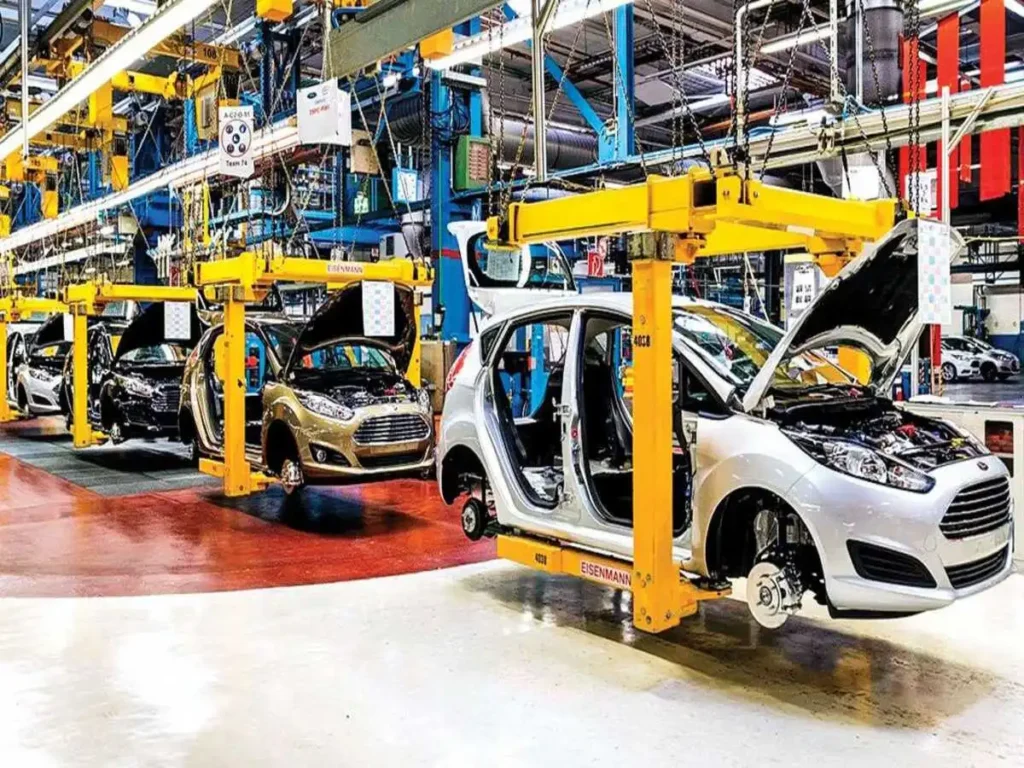
Canada Threatens Legal Action Against Stellantis for Jeep Compass Shift
Canada threatened to take legal action against Stellantis following the carmaker’s move to shift Jeep Compass production from Brampton, Ontario, to its Illinois facility in the United States. The move is part of a $13 billion U.S. investment by Stellantis aimed at building up its American manufacturing presence and counter the effect of tariffs. The decision has set off tensions between Stellantis and Canada as the Canadian government, unions, and local stakeholders feel strongly about possible job losses and promises being broken.

Background: The Jeep Compass Production Shift
Stellantis announced production of the best-selling Jeep Compass, which was previously manufactured in Brampton, will be moved to Illinois. The move has spooked Canadian authorities, who contend that the automaker entered into a legally binding agreement to keep the production in Brampton in return for financial assistance from the federal and provincial governments. Industry Minister Mélanie Joly stressed that Canada might take legal action if Stellantis does not fulfill these deals, underscoring the gravity of the issue.
In a statement, Stellantis insisted that Canada continues to be significant to the organization. The auto manufacturer confirmed that it would increase operations at its Windsor plant, adding 1,500 new positions for cars like the Chrysler Pacifica and Dodge Charger Scat Pack. Yet, the absence of tangible information about Brampton’s future has made workers, unions, and government officials nervous about the economic future of the area.
Legal and Political Ramifications
The Canadian government maintains that Stellantis took billions in incentives with the promise that production would remain in Brampton. Breaking this promise could lead to legal action, such as breach of contract suits. Prime Minister Mark Carney reaffirmed the government’s pledge to safeguard workers and find new opportunities for Brampton workers.
Ontario Premier Doug Ford also spoke out, insisting that Stellantis’s intentions are “unacceptable” and need to be addressed quickly. He pointed out that Canadian taxpayers want firms that have received public assistance to meet their obligations.
U.S. Investment Strategy and Trade Pressures
Stellantis’s move goes hand in hand with its $13 billion investment in American operations, the largest in its history, Stellantis says. The investment is designed to increase American capacity for production, add jobs, and counterbalance tariff charges on imported vehicles and parts.
Last-minute U.S. tariffs on Canadian exports such as softwood lumber and automotive parts have added to the challenge. Stellantis said tariffs imposed by earlier U.S. governments cost the company $349.2 million in 2025. The automaker sees its U.S. investment as a strategic move to defend margins and stay competitive in the North American marketplace.
Consequences for Brampton and Canadian Workers
The possible closure or downsizing of Brampton’s Jeep Compass facility has the potential to affect thousands of employees and suppliers. The Brampton assembly plant, a mainstay of Canadian auto production, has about 3,000 employees and benefits many local suppliers. The union that represents employees, Unifor, has called for transparency and keeping production levels steady.
The Canadian government is personally engaging with Stellantis to ensure that labor protections, contractual terms, and supplier arrangements are maintained. Measures that have been proposed include extending transition initiatives and examining alternative production prospects in Canada.
Stellantis’s Global Strategy
Stellantis, owner of such brands as Jeep, Chrysler, Dodge, Alfa Romeo, and Maserati, has operations in North America, Europe, Mexico, and South America. Addressing global production priorities with regional obligations to host governments is a complicated task. The Brampton dispute is an example of how difficult it is for multinational automakers to reconcile strategic investments with regional commitments.
The retooling of Brampton plant, hitherto shelved because of uncertainty over trade and tariffs, highlights the susceptibility of foreign operations to abrupt policy changes. Stellantis has promised to make public future plans for Brampton after more meetings with Canadian officials, but timing is uncertain.
Trade, Tariffs, and Economic Implications
Trade officials caution that the dispute can create a precedent for future talks with global automakers. Infringement of incentive contracts, retaliatory actions, and increased scrutiny of business investment can redefine Canada’s industrial policy. The overall economic implications can spill beyond the automotive industry, reaching suppliers, shipping companies, and regional economies that are dependent on manufacturing employment.
The conflict also mirrors U.S.–Canada trade tensions. President Trump’s protectionist tariffs have pushed firms such as Stellantis to reconsider production strategies, possibly shifting operations in order to reduce costs. Though tariffs seek to stimulate national production, they also instill uncertainty for international supply chains and regional employment.
Looking Ahead
The next few weeks are pivotal for Brampton’s automotive sector. Watch for these developments:
- Canadian government-initiated legal actions or arbitration
- Official Stellantis plans for Brampton and labor protections
- Union bargaining and possible labor action
- Reactions to U.S.–Canada trade flows and tariff realignments
- Long-term effects on the North American automotive environment
Conclusion
Canada’s promise to sue Stellantis for the Jeep Compass relocation sheds light on the sensitive dance between world corporate strategy and local economic responsibilities. As Stellantis invests heavily in the United States, the future of Brampton employees and suppliers is left in limbo.
The conflict highlights larger lessons for governments, auto manufacturers, and laborers alike: foreign investment choices are more and more being driven by trade politics, political pressure, and public accountability. Canada’s policy shows a recognition of safeguarding domestic jobs and upholding contractual provisions, even in the case of global corporate tactics.
The result will have significant implications for Stellantis, the Canadian automotive industry, and cross-border trade relations. All stakeholders in North America are paying close attention to this high-stakes battle.
FAQs: Canada Threatens Legal Action Against Stellantis for Jeep Compass Shift
- Why is Canada threatening legal action against Stellantis?
Canada claims Stellantis broke a deal to keep Jeep Compass production in Brampton after receiving government incentives.
- Where is Jeep Compass production moving?
Production is shifting from Brampton, Ontario, to Stellantis’s Illinois plant in the United States.
- What was the value of Stellantis’s U.S. investment?
Stellantis announced a $13 billion investment to expand its American manufacturing operations.
- How many jobs are at risk in Brampton?
Around 3,000 jobs at the Brampton assembly plant could be affected.
- What does the Canadian government allege?
That Stellantis breached a legally binding agreement made in exchange for financial aid.
- How has Stellantis responded?
The company insists Canada remains important and plans to add 1,500 jobs at its Windsor facility.
- Who is leading the Canadian response?
Industry Minister Mélanie Joly and Prime Minister Mark Carney have both warned of legal action.
- What role do tariffs play in this dispute?
Stellantis cites U.S. tariffs on Canadian exports as a key reason for expanding U.S. operations.
- How are unions reacting?
Unifor, representing Brampton workers, is demanding transparency and job security guarantees.
- What could happen next?
Possible outcomes include legal action, renegotiations, or new production commitments for Brampton.
—