Electric Car Sales Edge Above Petrol in EU for First Time
The European car market just crossed a line that many thought would take another decade to reach. In December 2025, a month usually known for heavy holiday travel and last-minute deals, the “old guard” of the automotive world finally lost its crown. For a long time, petrol has been the undisputed king of European roads. But the latest figures reveal that electric car sales edge above petrol in EU for first time, marking a massive shift in how people choose to get from point A to point B.
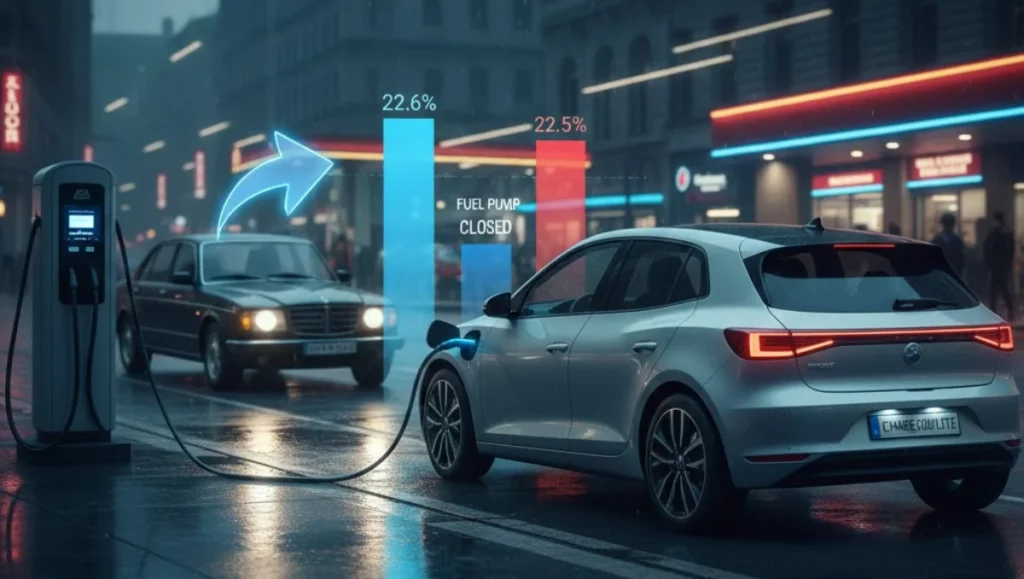
Data from the European Automobile Manufacturers’ Association (ACEA) shows that pure battery-electric cars grabbed a 22.6% market share this past December. Standard petrol cars, the same ones that have driven this continent for many generations, fell just slightly behind with a 22.5% share. Enormous is the only way to describe the feeling in the industry right now after these results. Enormous shifts like this don’t happen often, and seeing petrol slip into second place is a historic milestone for Europe.
Why December Changed Everything
The data coming out at the end of the year is actually quite startling once you dig into the growth rates. EU registrations for fully electric cars hit 217,898 units in December, which is a huge 51% jump over the previous year. Meanwhile, traditional petrol cars saw their sales numbers drop by 19%. This isn’t just a minor dip in the charts; it is a very clear trend of people finally moving away from the internal combustion engine for good.
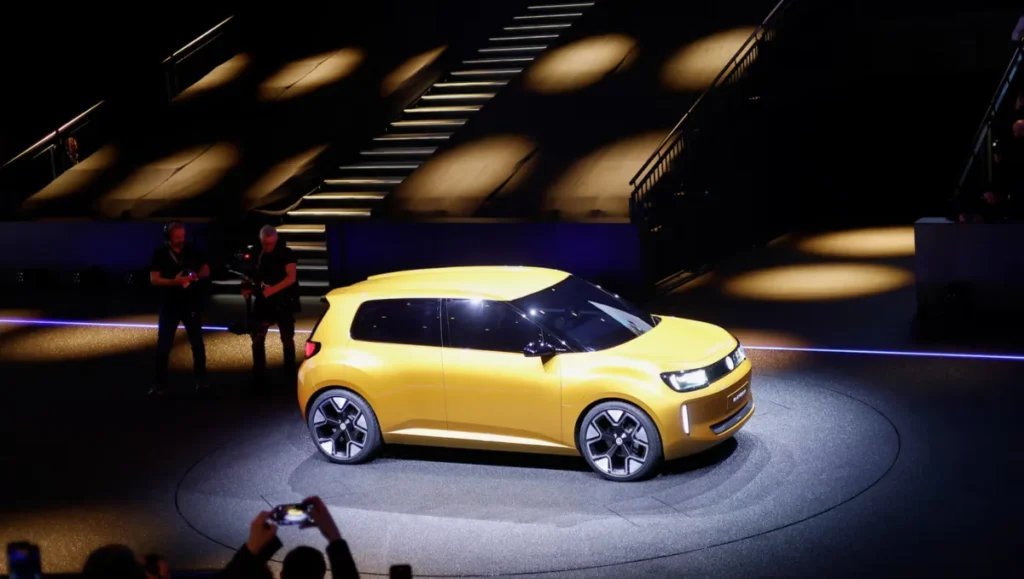
Much of the progress we’re seeing comes from the big players. We saw the German electric market surge by over 43% throughout 2025, a clear sign that buyer interest is holding strong despite the fact that those early financial incentives are vanishing. France and the Netherlands are also seeing a steady stream of double-digit growth across their regions. There is a sense that the charging infrastructure is finally becoming dependable enough for the regular driver to stop worrying about it. Instead of “range anxiety,” people are now focusing on the fact that an EV is just much easier on the wallet over time.
The Hybrid Bridge
Even as electric car sales edge above petrol in EU for first time, we shouldn’t ignore the hybrid. In fact, if you look at the whole market, petrol-electric hybrids are still the most popular choice overall. They captured about 34.5% of the market share for the full year.
Many buyers still see the hybrid as the safe choice. It offers a taste of electric driving without the “range anxiety” that still plagues some first-time buyers. But the growth in pure electrics is currently much faster than hybrids. It suggests that once people get comfortable with the technology, they are skipping the middle ground and going straight to a plug.
The New Leaders of the Pack
The shift in power sources is also changing which brands are winning. The old guard of the car world is ditching its obsession with pistons and scrambling to become battery experts instead.
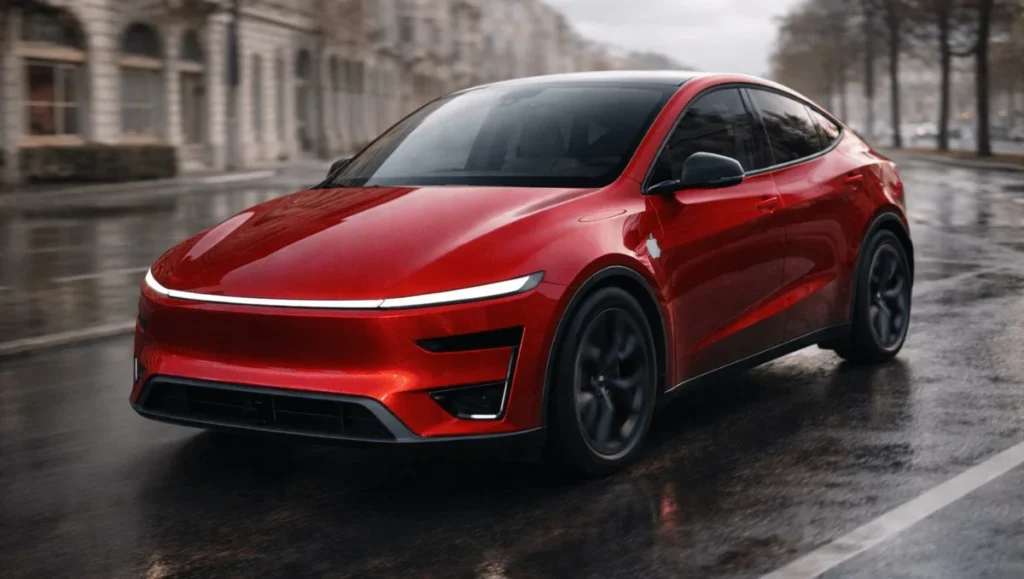
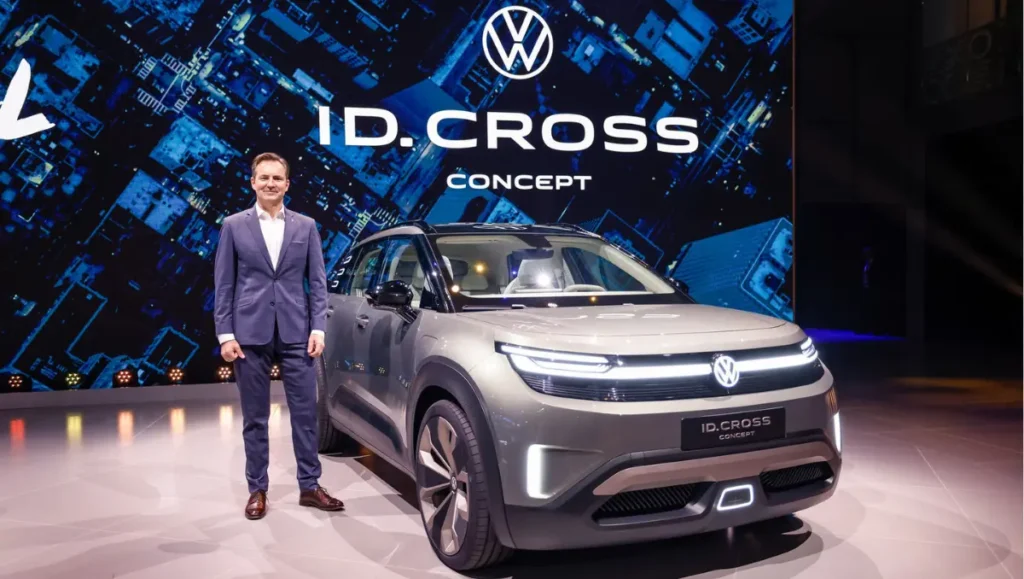
Volkswagen Group really stuck the landing in 2025, wrapping up the year as the EU’s top dog with a massive 26.7% market share in December. All those billions they pumped into their electric line finally seem to be hitting the mark. On the flip side, Tesla—the brand that started it all—had a much tougher go of it. Tesla’s presence on the European market shrank by almost 38% throughout 2025—a serious reality check for the brand.
A big part of that decline comes from the “Chinese wave.” We’ve seen BYD take an incredibly aggressive stance lately, effectively tripling their footprint in just twelve months. Their secret is offering tech-heavy cars that often undercut the local European brands on price. It’s great for the consumer, but it’s putting a huge amount of strain on the traditional car-making hubs across the continent.
Comparison of EU Market Leaders (Dec 2025)
| Manufacturer | Market Share | Performance Trend |
| Volkswagen Group | 26.7% | Billions in EV R&D paying off. |
| Stellantis | 16.5% | Consolidating multi-brand EV platforms. |
| Tesla | 2.2% | Down from 3.5% in 2024; facing high competition. |
| BYD | 1.9% | Up from 0.7% in 2024; massive growth year. |
Why Petrol is Losing its Grip
There are a few practical reasons why petrol is slipping. First, city rules are getting much tighter. Many major European capitals are setting up low-emission zones. If you drive a standard petrol car, you might soon face daily fees just to drive to work or go shopping.
Second, the cost of fuel is still a huge factor. While electricity prices have their own ups and downs, the “cost per mile” for an electric car is generally much lower. When families sit down to look at their monthly budget, the savings on “fuel” are hard to ignore.
Lastly, the cars themselves are just getting better. Remember when EVs were basically underpowered buggies? Today’s models are high-tech powerhouses that can outrun almost anything. For a lot of drivers, the sheer speed and quiet ride are reason enough to make the switch.
Looking at the 2025 Market Share
The decline of the traditional engine is even more obvious when you compare the annual data.
| Engine Type | 2025 Full Year Share | 2024 Full Year Share |
| Hybrid Electric (HEV) | 34.5% | 33.7% |
| Petrol (Standard) | 26.6% | 33.3% |
| Battery Electric (BEV) | 17.4% | 13.6% |
| Plug-in Hybrid (PHEV) | 9.4% | 7.2% |
| Diesel | 8.9% | 11.8% |
Policy and the 2035 Goal
The fact that electric car sales edge above petrol in EU for first time is very timely. There’s been a massive amount of noise lately about whether the EU will actually go through with that 2035 ban on new petrol cars. Some critics in government are trying to walk the whole thing back, fearing that the schedule is just too punishing for manufacturers.
A new proposal popped up in late 2025 that changes the game a bit. Rather than a total 100% ban, the new goal is looking more like a 90% reduction in fleet emissions. This is great news for niche cars that need to keep their combustion engines, likely powered by synthetic “e-fuels.” However, looking at the surge in December sales, the market seems to be moving faster than the law anyway. Looking at how fast the market is moving right now, the traditional petrol engine is basically on life support; it’ll be a rare find long before the 2035 deadline hits.
The Challenges for 2026
Can the lead be maintained? It’s not going to be all smooth sailing from here. The industry still has some massive roadblocks to clear before we can call this a done deal.
It’s hard to ignore the “charging gap” across Europe. Some places are set, but others are struggling. Apartment owners are in a tough spot because home charging just isn’t an option for them. If we want this to work, we need more plugs at work and at the shops to make it a no-brainer for the average person.
Then there is the price. Even though electric car sales edge above petrol in EU for first time, EVs are still more expensive to buy upfront. Owning a decent family EV is still a stretch for a lot of budgets. But 2026 is supposed to be the year things get real, with several new “budget” models coming in under €25,000. If that pricing sticks, the petrol car’s days as the leader are numbered.
Regional Differences
The map of Europe looks a bit lopsided when you see where the electric shift is actually taking off.
- Norway is already almost entirely electric.
- Turkey had a massive breakout year, with sales jumping 80% thanks to their local brand, Togg.
- In contrast, Italy and Spain are moving a bit slower. Drivers there are holding onto their petrol keys for now—they’re waiting for the charging networks to actually be able to handle the demand.
Final Thoughts
Crossings like this don’t happen often. The news that electric car sales edge above petrol in EU for first time marks the end of an era. For over a hundred years, the sound of the European street was the sound of a petrol engine. Now, that is changing.
The road ahead won’t be perfectly smooth. There will be arguments over battery materials, electricity prices, and trade deals. But the December data shows us one thing clearly: the choice has been made. European drivers are ready to plug in. As tech gets better and the price tags finally drop, petrol cars are losing their spot at the top of the food chain.
FAQs – Electric car sales edge above petrol in EU for first time
1: Who’s actually behind these new sales numbers?
The data was released by the European Automobile Manufacturers’ Association, or ACEA if you want the acronym. They’re the ones tracking every registration across the bloc.
2: What was the final market split in December?
It was incredibly close. Electric vehicles hit a 22.6% share, just barely nudging past petrol cars, which settled at 22.5%.
3: Exactly how many cars separated the two?
We’re talking about a tiny margin here. Only about 1,400 vehicles stood between electric taking the lead and petrol staying on top.
4: Why is petrol suddenly losing its grip?
It’s a mix of things. Sales tanked by 19% because people are dodging high pump prices and those new city fees that make driving an old engine a total headache.
5: Did Germany’s market grow even without the subsidies?
Surprisingly, yes. Even after the government pulled the plug on cash incentives, German EV sales still managed to jump by a massive 43%.
6: Are hybrids still a popular choice for drivers?
Absolutely. If you look at the whole year, petrol-electric hybrids are still the king of the hill with a 34.5% market share.
7: Which car brand is winning this race?
Volkswagen Group is the big winner for 2025. They wrapped up December with more than 26% of the market, proving their massive R&D spend is finally working.
8: Is Tesla losing its lead in Europe?
The numbers suggest so. Their market presence actually shrivelled by nearly 38% last year as local brands and new rivals started eating their lunch.
9: Is that 2035 petrol ban still set in stone?
Not exactly. There’s a new push for a 90% reduction instead of a full ban, which might leave the door open for high-end cars running on e-fuels.
10: What’s the biggest roadblock for EVs right now?
It’s the plugs. Plain and simple. We need way more charging stations at workplaces and shops for the millions of people who can’t just plug in at home.
—