Euro NCAP 2026 Safety Rules: No Physical Button No 5 Star Rating for EURO NCAP Crush Test
The Euro NCAP 2026 safety rules will revolutionize how car interiors are designed. From January 2026, the European New Car Assessment Programme (Euro NCAP) will have tougher standards that will make it more difficult for touchscreen-dominant cars to receive a five-star rating for their safety. The emphasis is moving away from flashy digital cockpits and towards safer, distraction-free environments for driving.
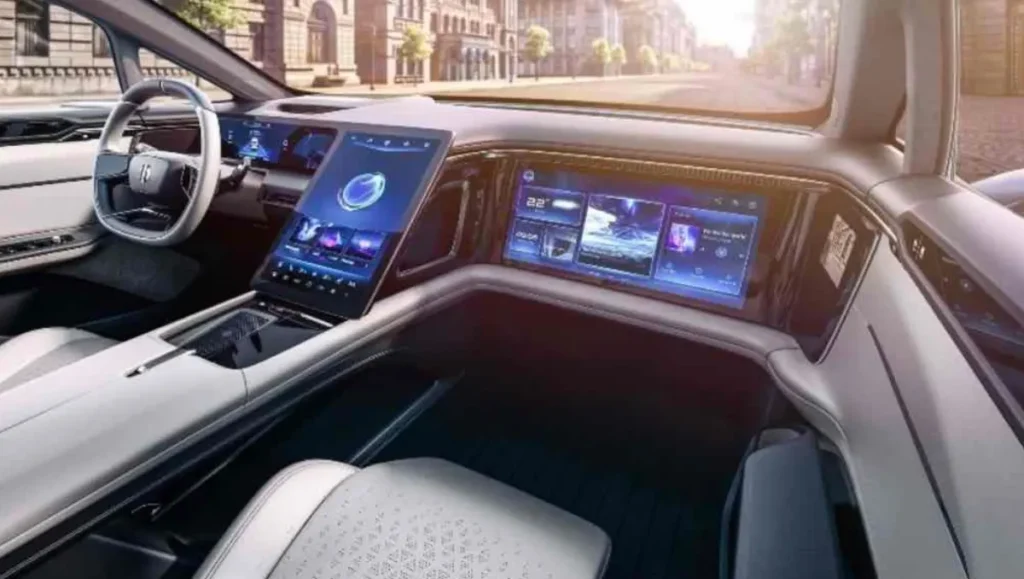
This shift has caused waves throughout the international automotive sector as companies reconsider their dependence on touchscreen systems. Let’s examine why Euro NCAP 2026 safety rules is implementing these changes, what the new regulations are, and how they’ll impact carmakers and buyers.
Why Euro NCAP is Changing the Rules
Euro NCAP has specified that its new safety regulations in 2026 are based on a single overarching concern — driver distraction. In the past few years, vehicles have become more and more reliant on touchscreens. Controls that used to be accessed by physical buttons — wipers, hazard lights, indicators, and horns — are now buried beneath layers of digital menus.
Studies indicate that this distraction is paid for in lost safety. Even a two-second look away from the road doubles the risk of accident. A study in Sweden found that doing basic tasks on touchscreens, such as adjusting wipers or temperature, takes more than 20 seconds — time enough to travel half a kilometre at motorway speeds.
Euro NCAP 2026 safety rules statistics also reveal a 20 percent increase in distraction crashes across Europe since 2020, coinciding with widespread use of large in-car displays. The new Euro NCAP 2026 safety Rules set out to solve this problem by introducing tactile controls back into the fray.
What the New Euro NCAP 2026 Safety Rules Include
According to the 2026 guidelines, Euro NCAP will penalize models that rely exclusively on touch-based controls for critical functions. Models will lose points if drivers have to select menus to make use of important features such as:
• Turn signals
• Horn
• Hazard lights
• Windshield wipers
• Urgent SOS functions
In order to qualify for a five-star rating, they should be accessible through easily found physical buttons or switches even when the driver is wearing gloves. They should provide tactile feedback so that drivers will not have to remove their eyes from the road in order to use them.
Additionally, Euro NCAP will assess where and how important information — including speed and warning — is presented. Cars that present such information only on central screens could be penalized.
Driver Monitoring Gets a Major Upgrade
The 2026 upgrade does not end with body controls. Euro NCAP is also enlarging its driver monitoring test significantly. It was previously only worth two points, but this category will be worth 25 points of the total safety rating.
To achieve top marks, vehicles will have to be equipped with sophisticated systems that track the driver’s head position and eye movements at all times. These systems will have to be able to detect drowsiness, distraction, and even impairment due to alcohol.
Other improvements are:
• All-around rear seatbelt reminders.
• Child presence detection to avoid hot-car deaths.
• Adaptive airbags that modulate inflation according to occupant size and seat position.
All of these are in accordance with Euro NCAP’s objective to lessen both the occurrence of a crash and the severity of injury in normal driving situations.
Carmakers Encounter Design and Expense Complications
For carmakers, the Euro NCAP 2026 safety rules pose a significant design and production hurdle. Most mass-market brands — including Tesla, Volvo, Peugeot, and Volkswagen — have adopted minimalist interiors with most of the controls being touchscreens.
For example, the Volvo EX30 controls nearly everything from its central screen, from mirror movement to glove box opening. Though this car now has a five-star rating, it would lose marks under the new Euro NCAP standards.
To meet the new norms, brands would have to reinvent physical controls or create hybrid designs that combine tactile switches with digital screens. That entails increased development expense, more complicated production lines, and possibly delayed launch times for upcoming models.
But certain manufacturers have already started to make changes. Volkswagen, in a reaction to consumer complaints, restored physical controls for climate and audio functions in newer vehicles. Mazda has always shied away from touchscreen reliance, maintaining intuitive layouts that put driver attention first. Hyundai and Nissan are also embracing blended-control interfaces in their latest vehicles.
Why This Change Matters for Buyers
For drivers, the new Euro NCAP 2026 safety rules guarantee improved safety and usability. Physical buttons might be outdated, but they strongly minimize distraction. When you are able to use wipers or control temperature by feel, your vision remains on the road — where it belongs.
Euro NCAP’s five-star rating remains a major factor in car-buying decisions. In Europe, nearly 90 percent of buyers consider NCAP ratings before making a purchase. Therefore, any car that falls short due to excessive touchscreen dependence could lose market appeal.
Beyond Europe, these standards will likely influence markets such as India, Japan, and North America, as global manufacturers align their models with Euro NCAP’s safety criteria.
The Future of Car Controls
Where the trend towards physical buttons seems to be a step in reverse, it’s really all about balance. Euro NCAP isn’t opposed to innovation — it just wants safer convergence. The next step might be from advanced voice recognition and augmented-reality screens. These technologies enable drivers to control functions and get information without taking eyes off the road.
Until those systems can be shown to be foolproof, though, Euro NCAP’s message is unequivocal: cars where touchscreens take center stage at the expense of driver attention will no longer be rewarded.
Conclusion
Euro NCAP’s 2026 safety regulations are more than a technical refresh — they represent a philosophical sea change in car design. Safety, not screen real estate, will shape the cars of the future.
By requiring physical controls for safety-critical functions and increasing driver attention, Euro NCAP wants to lower distraction crashes and save lives. For manufacturers, it’s time to change. For motorists, it’s a reminder that technology should be in the service of safety, not at the expense of it.
FAQs – Euro NCAP 2026 Safety Rules
1. What are the Euro NCAP 2026 safety rules?
From January 2026, Euro NCAP will insist on physical buttons for essential car functions to minimize driver distraction.
2. Why is Euro NCAP 2026 safety rules outlawing touchscreen-only controls?
Because touchscreen menus take eyes off the road and raise crash risk.
3. Which functions need to have physical buttons under Euro NCAP 2026 rules?
Turn signals, horn, hazard lights, wipers, and emergency SOS should have physical controls.
4. How will the rules impact car safety ratings?
Touchscreen-only cars will lose points and will not be able to achieve five-star ratings.
5. When do the new Euro NCAP safety rules come into effect?
The new Euro NCAP safety regulations begin in January 2026.
6. What new technologies will Euro NCAP test with the 2026 update?
Driver monitoring systems, adaptive airbags, seatbelt reminders, and child presence detection.
7. How will carmakers be impacted by the 2026 Euro NCAP standards?
They will have to rethink interiors, with the addition of physical buttons and tactile controls.
8. Which brands might struggle with the new Euro NCAP rules?
Tesla, Volvo, Peugeot, and Volkswagen — notorious for touchscreen-centric interiors.
9. How does Euro NCAP intend to minimize driver distraction?
By encouraging tactile feedback controls and more concise display arrangements for vital information.
10. What is the primary aim of Euro NCAP’s 2026 regulations?
Reducing distraction-related crashes and safer driving through improved interface design.
—