Euro NCAP announces 2026 New Safty Rules Changing Vehicle Safety Standards
Euro NCAP announces 2026 New Safty Rules — yes, that headline is the real thing and it lands fast: Euro NCAP announces 2026 New Safty Rules right at the top of the conversation because these changes will alter how cars are designed, tested and judged from 2026 onward. The new protocols are the biggest rework since the overall rating system began, and they put a strong emphasis on real-world performance, human factors and what happens after a crash.
I’m going to walk through the sensible bits, the parts that will make you roll your eyes, and the practical consequences for drivers, buyers and the people who build cars. The tone’s casual because this stuff is complicated and you don’t need an engineering lecture to get the point.
What’s Actually Changing — The Headline Summary
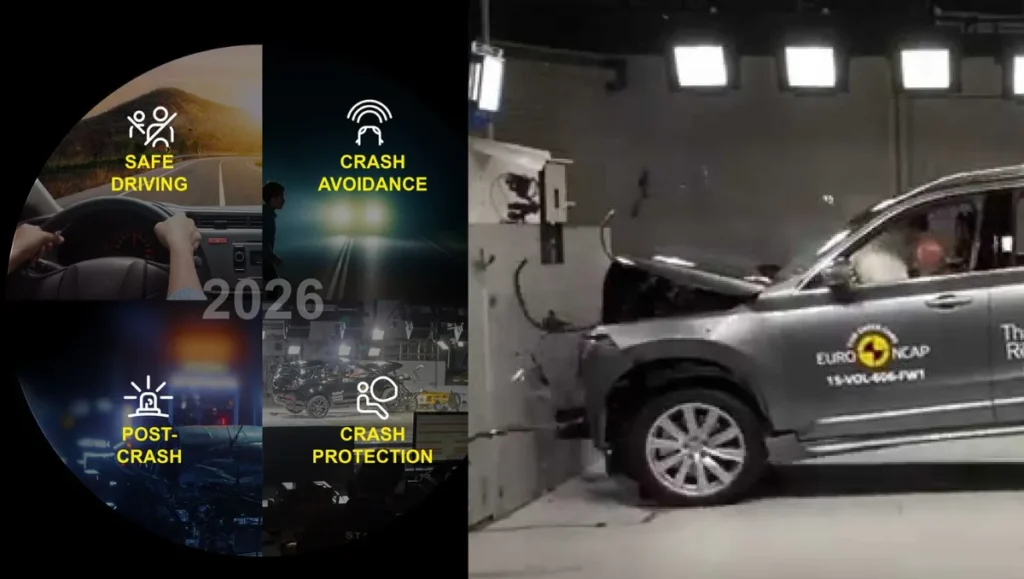
Euro NCAP has reorganised the rating method into a more holistic, four-stage approach: safe driving, crash avoidance, crash protection and post-crash safety. Each area can score up to 100 points and there are minimum thresholds to hit for a top rating. That means a shiny five-star badge will be harder to earn unless a car does well across all four pillars, not just in a single area.
Driver Monitoring and In-Cabin Systems Matter Now
One of the big practical moves is a much stronger focus on driver monitoring. Euro NCAP wants to know that driver assistance systems don’t lull you into a false sense of security — and that the car can tell when the human behind the wheel is not paying attention or is impaired. Expect cameras and sensors designed to watch driver attention, and stricter rules about how assistance handbacks and warnings work. Manufacturers that rely on weak or inconsistent driver monitoring will be exposed.
Crash Avoidance Moves Closer to Real Driving
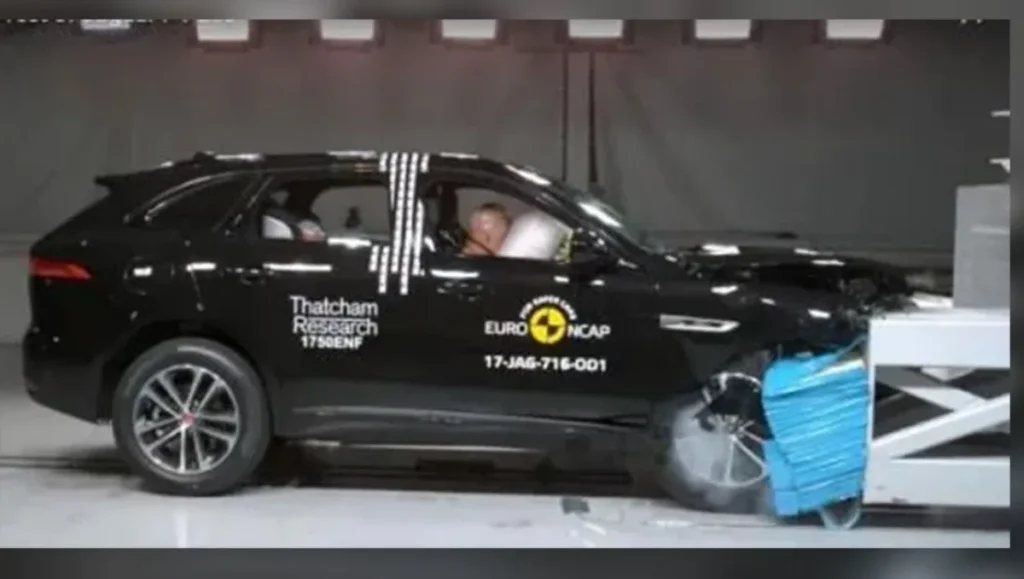
Crash avoidance testing expands beyond neat lab scenarios and covers more everyday hazards: vulnerable road users, low-speed urban collisions, lane departure events and a larger set of intersection and cut-in situations. Euro NCAP is also pushing for robustness — systems must not “cheat” a test and then fail on a slightly different but realistic scenario. That means AEB, lane keeping and other ADAS functions will be tested on how well they perform in the messy real world.
Physical Buttons vs Touchscreens — Yes, Buttons Score Better
A headline you’ve probably already seen: Euro NCAP will penalise systems that force drivers to hunt through touchscreens for critical controls. Physical, obvious controls for horn, indicators, wipers, hazard lights and SOS/emergency functions are favored, because they reduce distraction. So minimalist, touchscreen-only interiors will struggle to do well unless they offer reliable, quick physical alternatives for safety-critical actions. That’s likely to nudge designers back toward some physical switches.
Crash Protection Gets Meatier — Different Bodies Matter
The protocols also beef up occupant protection with attention to different body sizes and postures. Vulnerable road user protection is folded into broader crash avoidance and protection testing, with updated targets and ISO-aligned test tools. That means structural design, airbag staging and restraint systems will be judged more comprehensively than before. If your car was only tuned for one standard crash dummy or one simple scenario, it may not hold up to the 2026 checks.
Post-Srash Safety — EVs and Modern Realities
Post-crash is no longer an afterthought. For EVs especially, Euro NCAP wants systems that manage battery isolation, allow first responders to assess and access the vehicle, and preserve occupant escape routes after an incident. There are now checks for emergency response information, battery safety measures and occupant egress. If a car can’t show it remains manageable and safe after a crash, it won’t get rewarded.
What It Means for Buyers — Clearer but Tougher
For consumers this should give more meaningful ratings. You’ll be able to trust a five-star label more because it means balanced performance across safe driving, avoidance, protection and post-crash. The downside: some older mainstream models may drop a star unless manufacturers update hardware and software, and the cost of complying won’t be zero — particularly for smaller brands or budget models.
What Automakers Will Actually Do About It
If you work in industry or follow it closely, expect action in a few areas: improved driver monitoring systems, better ADAS robustness, integration of physical controls for critical functions, upgraded occupant protection measures across more body sizes, and stronger post-crash features especially for EVs. Some carmakers that were slow to add cameras or over-reliant on touchscreen controls will be forced to rework interiors and safety logic. That’s not overnight, so we’ll see a mix of quick fixes and longer product-cycle changes.
Where This Gets Messy — Real Tradeoffs and Awkward Design Choices
There’s always a tension: minimalist interiors are fashionable and can cut weight and cost. But Euro NCAP’s push for physical controls and conservatively behaving ADAS may mean interiors look less futuristic and more pragmatic. There’s also a cost factor: better cameras, redundant sensors, improved battery isolation and more test development are not free. Expect some manufacturers to stagger rollouts, certify higher-trim variants first, or introduce retrofit-style software/hardware upgrades.
A Quick Checklist for Shoppers Right Now
If you’re buying soon, pay attention to: driver monitoring hardware (is it camera-based?), whether emergency functions have physical controls, how robust the ADAS suite is across scenarios, and whether EVs list post-crash safety features. Models tested under the 2026 rules will give the best comparative view, but older test scores may not translate directly.
Final, Messy Thought — Good Move but Not Painless
Euro NCAP announces 2026 New Safty Rules is a meaningful step. It makes safety ratings more realistic and forces manufacturers to think beyond single tests. The change is good for people who actually drive cars every day: better human-system behaviour, thoughtful interior controls, and post-crash considerations that matter for EVs. The tradeoff is cost, some design rework, and a transition period where the rating landscape shifts — which means buyers and fleets will need to keep a close eye on how their favorite models fare under the new protocols.
FAQs – Euro NCAP announces 2026 New Safty Rules
1: Why is Euro NCAP changing the safety rules for 2026?
Euro NCAP is updating the rules because the old setup no longer matches real-world driving. Cars now rely heavily on software, sensors and driver assistance systems, so the new rules focus on how people actually drive, react and sometimes mess up. It’s a big shift toward more realistic scenarios instead of neat lab-style tests.
2: What’s the biggest change in the 2026 safety rating system?
The new four-pillar system is probably the biggest update. Instead of one big score, the rating now looks at safe driving, crash avoidance, crash protection and post-crash safety separately. A car has to perform well in all four areas if it wants a top rating, which makes the badge harder to earn but more trustworthy for buyers.
3: Why is driver monitoring suddenly a big deal?
Because a lot of accidents happen due to distraction or fatigue, even with modern driver-assist tech. Euro NCAP wants cars to recognise when the driver isn’t really focused or is impaired. So stronger attention monitoring and honest warning systems are expected, not just cosmetic tech that looks good on a brochure.
4: How do the new rules affect touchscreens in modern cars?
Touchscreen-only setups won’t score well anymore. Euro NCAP prefers physical buttons for things like hazards, indicators, wipers and the horn, because you shouldn’t need to swipe through menus just to do something basic. So the minimalist “all touch” interiors might have to rethink their approach.
5: What happens to crash tests under the 2026 rules?
The crash tests get tougher and more detailed. Cars will be evaluated with different body sizes, more complex postures and updated crash tools. The idea is to make sure a car that protects a standard dummy also protects people of different shapes and situations.
6: Why does the new system focus on post-crash safety?
Post-crash behaviour matters more today, especially with EVs. First responders need safe battery isolation, clear information and quick access. Euro NCAP is pushing for systems that protect people even after impact—things like easy egress, emergency instructions and safe battery shutdown.
7: Will car prices increase because of these new rules?
It’s very likely. Better sensors, stronger ADAS logic, interior redesigns and extra testing all cost money. Manufacturers may adjust pricing, introduce the upgraded versions on higher trims first, or spread upgrades across the model cycle. None of this is free for them.
8: Which brands may struggle with these rules?
Any carmaker relying heavily on touchscreens, minimal driver monitoring or outdated ADAS tech will feel the pressure. Smaller brands or budget-focused models may also struggle because they don’t always have the margins to add advanced sensors or rework software logic quickly.
9: What should buyers check when looking at new cars from 2026 onward?
Look for camera-based driver monitoring, proper physical buttons for emergency functions, consistent ADAS performance and solid post-crash safety—especially in EVs. Cars tested under the new rules will give clearer results, so pay attention to the updated Euro NCAP rating instead of comparing old scores.
10: Will older five-star cars still be considered safe after 2026?
They’ll still be safe, but the rating won’t directly compare. A five-star car under the old protocol might drop a star under the new rules simply because the bar has been raised. It doesn’t mean the car suddenly became unsafe; it just means the scoring system moved forward and expects more.
—