Europe Signals Possible U Turn On 2035 ICE Ban – What Changed in Brussels
Europe Signals Possible U Turn On 2035 ICE Ban feels dramatic on first reading, but it has become shorthand for a policy debate gaining pace in Brussels and other European capitals in recent days. Reports now suggest the European Commission is preparing to ease, or possibly unwind, the effective ban on sales of new internal combustion engine ICE cars that was due to start in 2035. That possibility follows prolonged lobbying from carmakers and firm pressure from member states such as Germany and Italy.
A Quick Recap of What’s Changed
The 2035 rule, agreed in principle in 2023, aimed to require new passenger cars sold in the EU to be zero-emission by 2035 effectively phasing out new petrol and diesel cars.
Over the last few weeks, Brussels has been negotiating revised language that would allow some continued sale of combustion-engine vehicles beyond 2035, for example via allowances for plug-in hybrids, synthetic or biofuels, or other flexibilities. Several accounts say the Commission will put forward the revised proposal after talks with industry and member states.
Why This U-turn is Happening
Two forces largely explain the shift. First, carmakers – and the governments where carmaking matters politically and economically – argue Europe faces fierce competition from Chinese EV makers and that a sudden, uncompromising switch to EV-only rules would hollow out domestic industry before it can adapt.
Germany and Italy, in particular arguing for a gentler approach, one that leaves carmakers with room to manoeuvre. At the same time, the Commission seems to be feeling its way toward compromise wording, trying to protect overall decarbonisation targets while giving automakers and suppliers time to adjust as battery and electric drivetrain plans are still being rebuilt.
Europe Signals Possible U Turn On 2035 ICE Ban – What the Proposed Flexibilities Might Look Like
Expect a package, not a simple withdrawal. Reporting describes elements such as:
- Allowances for a limited share of new cars to use highly efficient internal combustion engines fueled by low- or zero-carbon fuels.
- Continued certification of plug-in hybrids under tighter rules or for a limited period.
- Alternate compliance routes that let manufacturers count offsets, green steel or other embedded emissions reductions against CO2 targets.
Who Wins and Who Loses
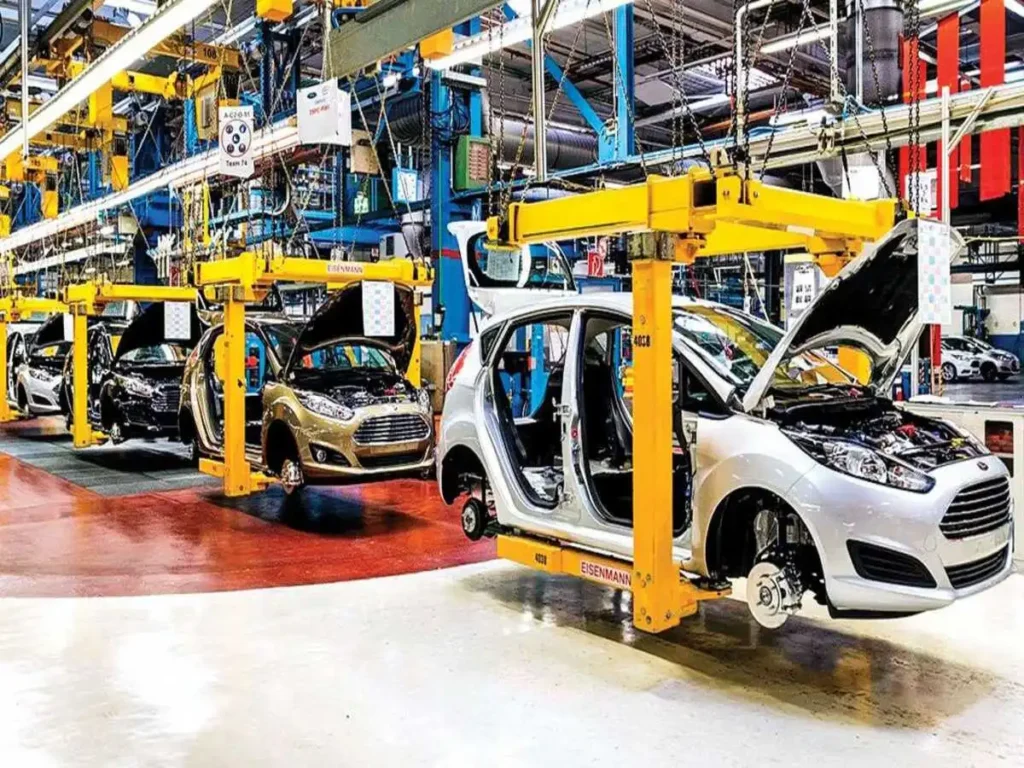
Winners (likely): Likely winners include established European carmakers and major parts suppliers that argued most strongly for concessions, along with member states heavily tied to auto manufacturing. Extra time eases pressure on production lines, reduces political risk around jobs, and helps preserve existing supply chains.
Losers (likely): Likely losers include pure EV newcomers and firms that invested heavily on the assumption of firm regulatory certainty. Climate and clean-transport advocates argue that any dilution undermines confidence and delays progress. Consumers could also see slower EV price declines if the market remains divided. Environmental groups warn that easing rules now could lock in fossil infrastructure longer than intended.
What the Change Would Mean on The Ground
If these changes are formalised, they would reshape expectations across the industry. Fleets and businesses may continue buying combustion or hybrid models longer than originally planned. Automakers would revisit product timelines, while suppliers could see uneven demand for EV components. The emissions impact will depend heavily on the fine print. While synthetic fuels and offsets can be presented as emissions-neutral, they differ significantly from a straightforward shift to electric vehicles in both cost and complexity.
A few Caveats – Verified, and Important
- Nothing is final yet. Several stories are based on officials, lawmaker statements and leaks; the Commission still needs to publish a formal legislative proposal and both member states and the European Parliament must approve it.
- Different outlets report different shades of change — some say the ban will be significantly diluted while others describe a narrower set of flexibilities. Read the final text when it’s published before treating this as law.
What to Watch Next
Look for the Commission’s official proposal text and the immediate reaction from the European Parliament and climate NGOs. Also watch how markets respond — automakers’ stock moves, supplier guidance, and statements from national ministers. Those signals will show whether the shift is a temporary political truce or a substantive rewrite.
Bottom Line
Europe Signals Possible U Turn On 2035 ICE Ban captures a tension that’s surfaced across industries and capitals: how to square deep decarbonisation goals with the economic and strategic realities of an industrial transition. The short-term tilt toward flexibility buys time for Europe’s car industry but raises hard questions about predictability, investor confidence, and the pace of emissions cuts. For citizens and buyers, the practical effect will depend on the exact rules Brussels adopts and how national governments and manufacturers implement them. For now, the news is verified reporting of a major policy rethink — but the legislative endgame has yet to arrive.
FAQs – Europe Signals Possible U Turn On 2035 ICE Ban
Is Europe actually scrapping the 2035 petrol and diesel ban?
No, at least not yet. What’s happening now is a rethink of how strict the rules need to be. The ban itself hasn’t been cancelled, and nothing becomes law until the Commission publishes a proposal and lawmakers sign off.
Why is this debate coming back up now?
Timing, mostly. Carmakers are under pressure, EV competition from China is growing fast, and some governments are worried the switch is moving quicker than industry can handle without job losses or disruption.
Which countries are leading the push for changes?
Germany and Italy are front and centre. Both have large car industries and a lot at stake economically, so they’ve been pushing for more flexibility rather than a hard cutoff.
Does this mean petrol and diesel cars will still be sold after 2035?
Possibly, but not in the old sense. The discussion is around limited cases, like plug-in hybrids or vehicles running on synthetic or biofuels, not a free-for-all return to traditional engines.
What kind of flexibility is actually being talked about?
Things like tighter approval for plug-in hybrids, allowances for alternative fuels, and different ways for carmakers to meet emissions targets using offsets or embedded reductions elsewhere.
How could this affect people buying cars?
It could mean more choice for longer, especially for hybrids. On the flip side, it might slow down how quickly EV prices fall if the market stays more mixed.
What does this mean for car manufacturers?
For big European brands, it buys time. Production plans, factory upgrades, and workforce changes can happen more gradually instead of all at once.
And what about suppliers and smaller companies?
It’s a mixed picture. Some suppliers benefit from a slower transition, others who bet heavily on EV-only growth could face delays or uncertainty.
Is this bad news for climate goals?
That depends who you ask. Supporters say a smoother transition avoids backlash. Critics argue any delay risks slowing emissions cuts and locking in fossil infrastructure longer.
What should people watch next?
The key thing is the Commission’s actual proposal. Until that text is published, everything else is positioning. Reactions from lawmakers, markets, and climate groups will show how serious this shift really is.
—