EV Sales in September 2025: Passenger Vehicles Fall but the Overall Market Remains Steady
The Indian electric vehicle market has once again broken a significant milestone. Government Vahan data show that EV sales in September 2025 were at approximately 1.82 lakh units. Although this is a marginal decline of around 3 percent from August 2025, the overall momentum of the industry remains high, keeping the sector on course to achieve more than 20 lakh sales during the current financial year.
A closer examination of the data presents some interesting trends across vehicle segments. Passenger electric vehicles (cars and SUVs) saw a steep fall with GST policy shifts, but electric two-wheelers and three-wheelers continued to perform well, indicating how demand is changing in the larger EV universe.
Passenger EV Sales in September 2025 Face Pressure
The largest EV Sales in September 2025 headline is the 17 percent decline in passenger electric vehicle registrations. Statistics from Vahan show that there were a mere 15,100 passenger EVs sold in September, a reduction from 18,290 units sold in August.
This is attributed to the effect of GST reductions on hybrid and internal combustion engine (ICE) vehicles. ICE vehicles were earlier charged at 28 percent but in GST 2.0 their rate was reduced to 18 percent, and hybrids were reduced from 43 percent to 40 percent. Since electric vehicles remain at 5 percent GST, the previously broad price difference is now reduced, and therefore, ICE models are more competitive to price-conscious buyers.
Industry professionals such as Puneet Gupta of S&P Global Mobility pointed out that passenger EV penetration dipped from almost 5 percent to approximately 4 percent in September. Director at Crisil Ratings, Poonam Upadhyay, also observed that consumers kept postponing purchases in light of new GST rates, and this led to soft registrations under the first half of the month.
Two-Wheeler and Three-Wheeler EVs Remain Steady
While passenger vehicles suffered, two-wheelers and three-wheelers remained stable. In September, nearly 1.04 lakh electric two-wheelers were sold, a slight fall from 1.05 lakh in August. Popular brands such as TVS, Bajaj, Ola, Ather, and Hero MotoCorp still ruled this segment. TVS Motor topped the market with 22,491 registrations, with Bajaj Auto and Ather Energy at close second and third positions.
Electric three-wheelers also continued to have robust momentum, with 61,000 units sold during September against 63,500 units during August. Even with the slight month-on-month decline, the segment is still among the fastest-growing EV segments in India, serving urban mobility and last-mile delivery requirements.
Quarter and Half-Yearly Growth Remain Strong
Despite the September slide, the overall scenario for FY26 is extremely encouraging. Total EV registrations during the first half of FY26 crossed 1.1 million units, versus 8.95 lakh for the same period last year. The second quarter alone saw 5.70 lakh units, versus 5.33 lakh units in Q1.
This indicates India is solidly on course to surpass at least 20 lakh EV sales in September 2025 in the financial year, possibly breaking the 19.7 lakh units record in FY25. The long-term growth trend remains in place despite fluctuations in the short term due to policy interventions.
OEM Performance in September 2025
A segment-wise categorization of EV sales in September 2025 indicates the top players and their performance:
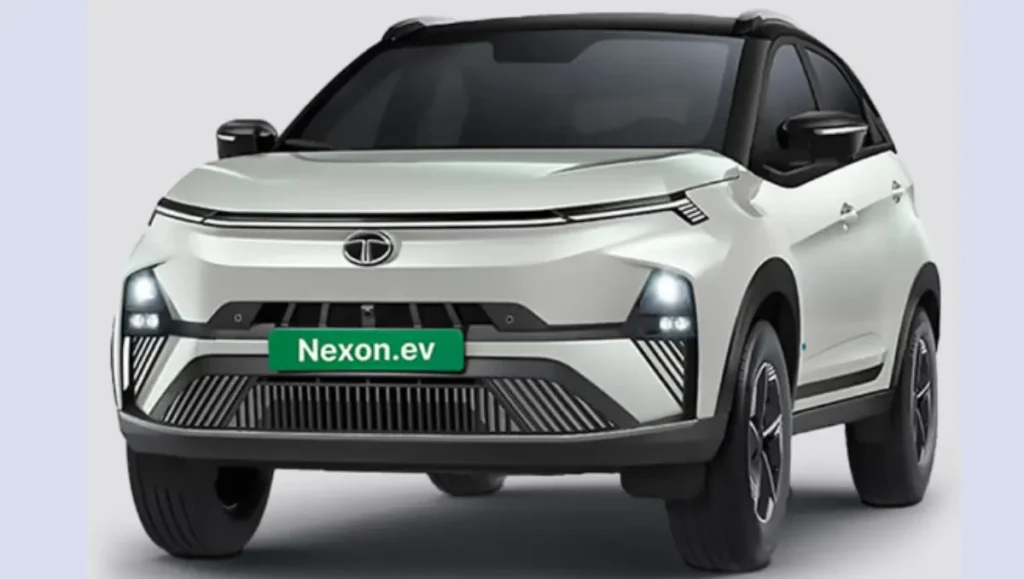
- Tata Motors continued to dominate passenger EVs with 6,094 units, albeit down 18 percent from month-on-month. Its Nexon, Punch, Curvv, and newly launched Harrier EV remained in demand.
- JSW MG Motor India reported 3,843 units, down 24 percent from August. Nevertheless, at a 23 percent market share, it remains Tata’s closest rival.
- Mahindra & Mahindra retailed 3,187 electric SUVs, which helped the company secure a market share of 21 percent. Its BE 6 and XEV 9e SUVs have helped strengthen its EV portfolio.
- BYD India and Kia India defied the trend of declining sales, with BYD retailing 541 units and Kia recording 499 units, both of them posting month-on-month sales.
- Hyundai India had a sharp fall, with sales dropping 45 percent to a mere 342 units. Even with launches such as the Creta Electric and Ioniq 5, demand was subdued.
- Among luxury EVs, BMW was in the top spot with 307 units, followed by Mercedes-Benz at 95 units, and Tesla India rolling out the Model Y with 60 units.
Impact of GST 2.0 on EV Sales in September 2025
The implementation of GST 2.0 has heavily impacted the dynamics of competition. Though EVs still have the lowest tax rate of 5 percent, ICE and hybrid vehicles have become more affordable with the rationalization of GST rates. For instance, the effective price differential between a starter ICE vehicle and its electric version has reduced from 23 percent to only 13 percent.
This narrowing gap has directed short-term demand towards ICE cars, particularly in the pre-winter festive shopping period in September. But this might be short-lived as analysts argue that long-term cost of EV ownership continues to be less because of lower running costs, government incentives, and lower maintenance costs.
Future Prospects for the Next Few Months
Industry experts are of the view that October and November will be the determining factors as to whether the September slump in passenger EVs is a short-term blip or the beginning of an extended trend. As Navratri and Diwali festivities influence consumerism, most anticipate a retail sales rebound.
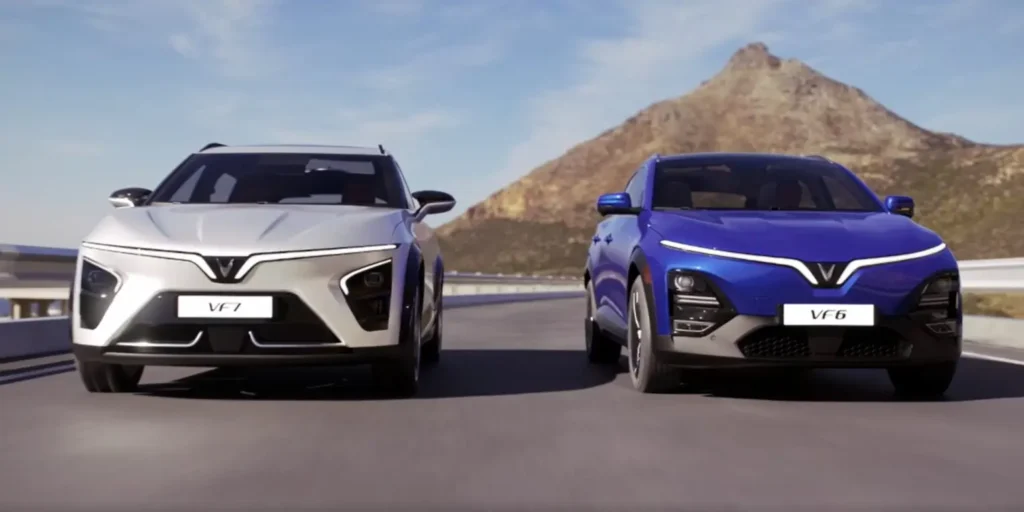
Additionally, the entrance of new entrants such as Tesla and Vinfast in September will be seen to rejuvenate the market with new alternatives. Concurrently, incumbent players are preparing with increased portfolios and aggressive production targets to capitalize on festive demand.
Final Thoughts
The EV sales in September 2025 data reflects the evolving nature of India’s electric mobility revolution. While passenger electric vehicles felt the impact of GST changes, the two-wheeler and three-wheeler segments remained upbeat, with the industry’s growth path intact.
India is well on course to reach 20 lakh EV sales in FY26, demonstrating that while there may be short-term policy-driven volatility, the long-run EV market fundamentals are robust. With increasing investment in charging infrastructure, funding choices, and consumer awareness of the overall cost of ownership, India’s EV revolution will continue to speed up in the coming months.
FAQs of September 2025 EV Sales in India
Q1: How were total EV sales in September 2025?
A: 1.82 lakh units, down 3% month on month but en route to 20 lakh in FY26.
Q2: Why did September 2025 passenger EV sales decline?
A: 17% fall to 15,100 units because of GST 2.0 lowering ICE (28% to 18%) and hybrid (43% to 40%) rates, reducing EV price differential.
Q3: What was the performance of two- and three-wheeler EVs?
A: Two-wheelers: ~1.04 lakh units (vs 1.05 lakh). Three-wheelers: 61,000 units (vs 63,500). Both stable.
Q4: Which players dominated passenger EV sales?
A: Tata (6,094 units), JSW MG (3,843), Mahindra (3,187). BYD (541) and Kia (499) increased; Hyundai declined 45% to 342.
Q5: What impact did GST 2.0 have on EVs?
A: EVs retained 5% GST, while lower ICE/hybrid rates narrowed price difference, benefiting non-EVs short-term. EVs continue to save long-term.
Q6: What are FY26 EV sales trends?
A: H1 FY26: 1.1M units (compared to 8.95 lakh previous year). Q2: 5.70 lakh units. To cross 20 lakh in FY26.
Q7: What’s the forecast for EV sales?
A: Expected bounce back in October-November as a result of festive season demand, new player entries such as Tesla, and broadened portfolios.
—