Honda to Launch All-New Made-in-India Electric SUV in Mid-Size Segment
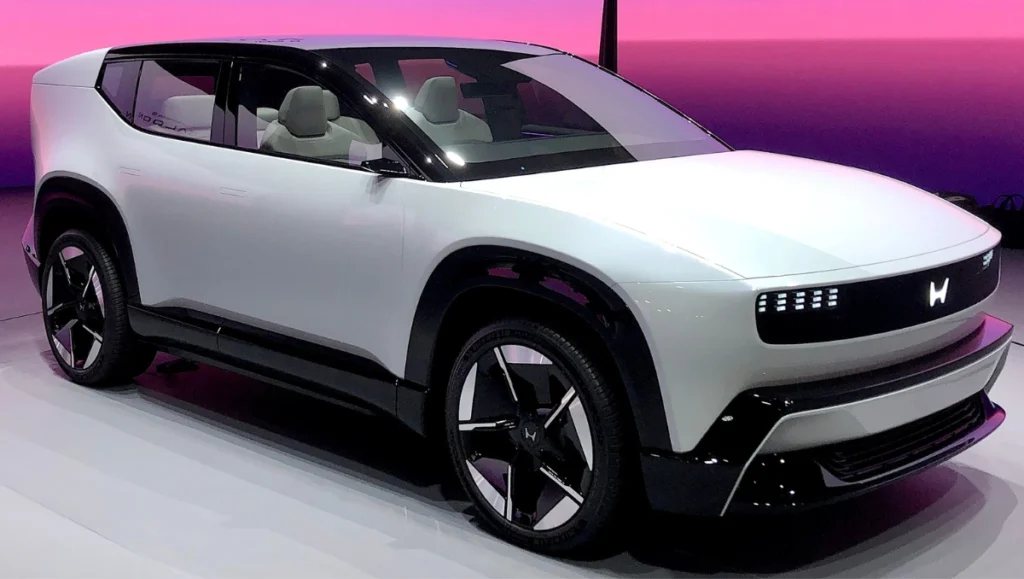
First Made in India Honda Electric SUV Coming Soon – Honda Cars India is gearing up to launch its first all-made-in-India electric SUV. The company is not retrofitting an existing model with an electric powertrain, but rather creating a clean-sheet design that will be in the mid-size SUV space and over four metres long. The launch marks a big strategic effort for Honda as it aims to further establish its footprint in a market in which SUVs now command over half of passenger vehicle sales.
Why the mid-size segment
The Indian mid-size SUV market has been expanding swiftly. Mid-size SUV sales increased by around 30 percent year-on-year, with monthly volumes averaging around 70,000 units. There are customers in this segment across the board: young professionals demanding technology and design, family buyers requiring space and security, and city-based buyers seeking a prestige car without entering the luxury segment. For Honda, bringing an electric product into this segment is a timely intervention that may get the brand back on India’s growth path.
A multi-powertrain strategy
Honda’s strategy for India won’t be single-track. The firm intends to provide multiple powertrain options to cater to different buyer requirements and the changing infrastructure profile. Petrol and CNG variants will continue in the product line for affordability and mass-market coverage. High hybrid variants will be used as bridge technology with limited public charging. Battery electric models will be aimed at urban buyers and markets with growing charging networks. This pragmatic strategy reflects Honda’s worldwide strategy of hybrid technology being followed by phased EV roll-out.
Production in Rajasthan
The new electric SUV will be produced at Honda’s Tapukara factory in Rajasthan, which has a current production capacity of approximately 180,000 units per year. The plant already produces hybrids, so the employees and production lines are already geared to make a switch to EV manufacturing. Local production reduces costs, enhances supply-chain robustness, and enables Honda to customize the vehicle for Indian roads and consumer expectations. There is also scope to export the made-in-India version to other emerging economies, which could further be a case for local investment.
Policy tailwinds and timing
The timing of the launch is apt in light of recent policy changes. GST reform which lowered taxes on lower cars and eliminated compensation cess on bigger vehicles, coupled with firm lending rates and some income tax concessions, has fostered a positive demand scenario. Macro factors can drive showroom movement in the festive season and enhance affordability for consumers, and this is a good time for Honda to launch an affordable EV.
Practical hurdles to overcome
Honda knows the challenges that still exist. Public charging remains sparse in areas beyond large cities, and processes to approve home chargers in apartment buildings are typically sluggish. Dealerships will also require improvements in training, tools, and inventory of parts to facilitate EV after-sales service. How soon these hurdles are overcome will have a direct bearing on the vehicle’s rate of adoption.
Competition and positioning in the market
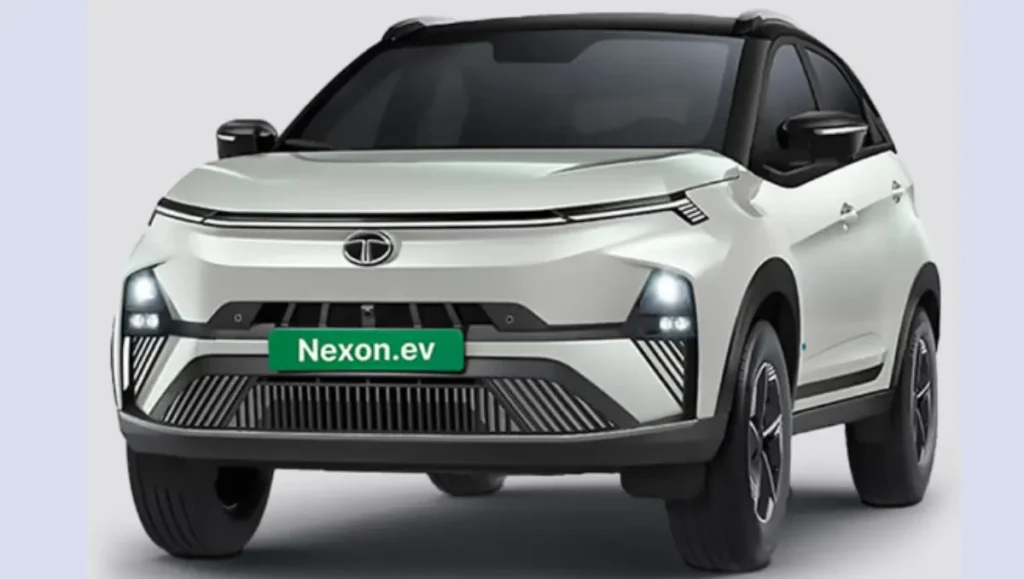
Honda enters the segment where domestic and international competition already has a head start. Tata Motors, Hyundai, MG, and others already have well-established EVs and hybrid products running on roads. Honda’s market share in India has been limited, around 2.5 percent, so it is confronting twin challenges of gaining customers and establishing trust for the brand in electrified mobility. Success will depend on three fundamental elements: competitive pricing, a feature set and range that live up to expectations in the real world, and an after-sales and charging infrastructure that takes away buying anxiety.
What buyers will be looking for
Indian SUV buyers today need something beyond zero-emission status. They desire good range, intelligent connected technology, strong safety features, comfortable interiors, and stylish design. For the EV to gain traction, Honda will have to provide a package that harmonizes range and everyday efficiency with a price that seems reasonable against petrol and hybrid competition. Providing strong warranty and battery cover will also serve to instill consumer confidence.
Why it matters to Honda
This launch is not merely one product launch. It is a test of Honda’s commitment to the Indian market and the company’s capability to localize global technology to suit Indian needs. If Honda nails pricing, features, and after-sales support, the new EV can aid the brand in gaining market share and competing seriously in India’s rapidly growing SUV market. If it stumbles, Honda stands to lose out to competitors who have already gained customer trust in electrified vehicles.
Conclusion
Honda’s move to make a clean-sheet, made-in-India electric SUV in the mid-size category is a risky but possible game-changer that can rewrite the company’s future in the country. The timing is right due to favorable policies and growing consumer demand for SUVs and electrified vehicles. But much work is still to be done on infrastructure, pricing, and dealer preparedness. With thoughtful implementation, Honda can turn its business in India around and play a significant part in the country’s shift to cleaner mobility. For the time being, customers and analysts will be closely following as Honda launches this key model.
—