Micro SUVs May Soon Beat Hatchbacks Post GST Reduction on Small Vehicles
The recent move by the government to slash Goods and Services Tax (GST) on smaller cars is sending waves through India’s auto sector. While everyone had anticipated that conventional hatchbacks would be the major gainers, company executives and industry leaders now think that micro SUVs might even become the actual winners of this policy shift.
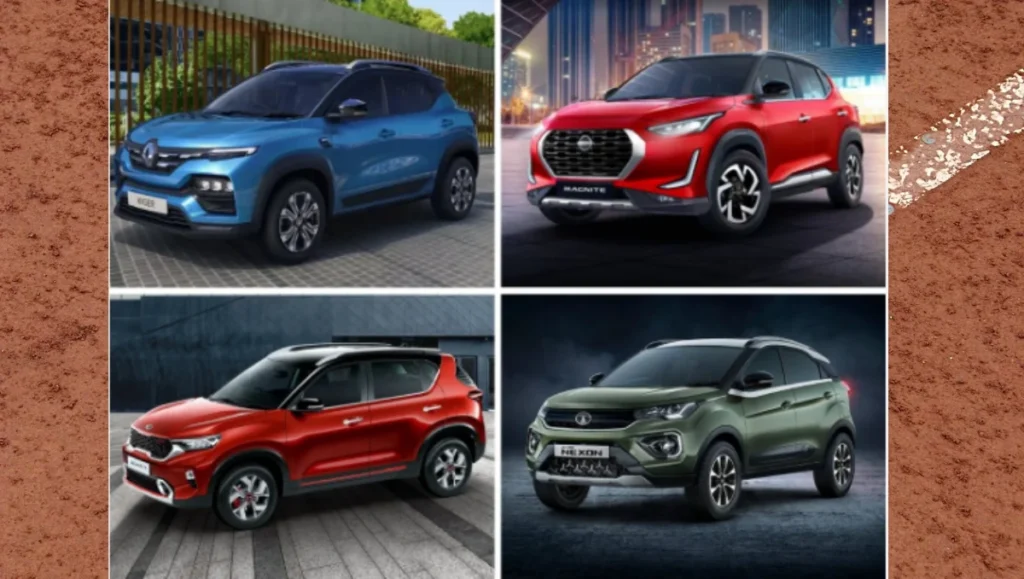
This change could heavily impact purchasing habits over the next few months, particularly as consumer tastes turn towards cars that are affordable, stylish, and functional.
GST Cut on Small Cars
The government’s decision to cut GST on small cars is designed to spur demand and provide a new boost to India’s auto industry, which has been trying to manage increasing input costs, shifting emission standards, and declining demand in a few areas.
The tax reduction is specifically for vehicles shorter than four meters and with engines smaller than a certain capacity. Historically, the segment has been controlled by hatchbacks such as the Maruti Suzuki Alto, Swift, and WagonR. These vehicles have dominated India’s small-car space for decades, offering millions of households their first foray into car ownership.
Maruti Suzuki, India’s leading automaker, has already been optimistic that its hatchback lineup would gain from this decision. Lower prices of well-selling variants are expected to draw cost-conscious consumers who were delaying purchases.
Why Micro SUVs Might Steal the Show
Even with the benefits hatchbacks have, most analysts think micro SUVs might edge them out in winning over customers following the GST reduction. Here’s why:
- Price Parity with Hatchbacks
Micro SUVs such as Tata Punch, Hyundai Exter, and Maruti Suzuki Fronx are priced almost at mid-level hatchback levels. Even in certain instances, micro SUV base variants undercut premium hatchbacks, allowing customers the opportunity to get a bigger-sized, stylish car almost at the same price.
- Increased Consumer Demand for SUVs
India’s car market has witnessed a definitive move toward SUVs during the last decade. Customers of all age groups and income levels find the road presence, increased ground clearance, and tough image of SUVs appealing. Micro SUVs provide these SUV-like features within a small, budget-friendly package—thus becoming extremely desirable.
- Improved Features and Safety
Relative to several hatchbacks, micro SUVs tend to be equipped with newer features, such as connected car technology, sophisticated infotainment systems, several airbags, and better safety scores. With safety increasingly playing an influential role in buying decisions, this places micro SUVs ahead of conventional hatchbacks.
- Resale Value Advantage
SUVs tend to retain resale value better than hatchbacks. Micro SUVs should also do the same, making them a wiser economic choice in the opinion of most consumers.
What It Means for Automakers
The GST reduction will certainly be to the advantage of all makers in the compact-car segment. Yet the fight for superiority might swing in favor of those manufacturers who have heavily invested in compact SUVs.
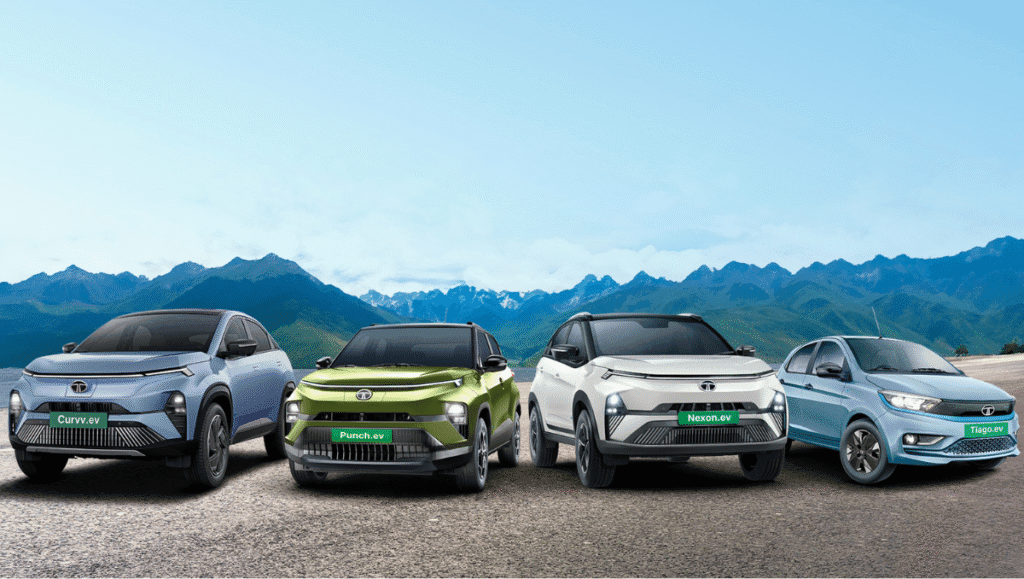
Tata Motors may witness sustained growth with the Punch, which is already a volume leader in its category.
Hyundai is going all out with the Exter that offers edgy design along with feature-loaded trims.
Maruti Suzuki, which has been the hatchback leader, has also ventured into the SUV space with offerings such as the Fronx and Brezza, not to be left behind from the SUV trend.
For carmakers, this trend highlights the need to tie product strategies to changing customer tastes. The winners will likely be those that can make SUV-like vehicles available at reasonable prices.
Impact on Hatchbacks
While micro SUVs are attracting attention, hatchbacks won’t go out of business. For most first-time car owners, price continues to be the biggest factor, and entry hatchbacks will still rule the budget segment. The GST cut will keep these cars affordable for millions of families.
Furthermore, hatchbacks benefit from the ease of maneuverability in congested city spaces, lower fuel consumption, and reduced maintenance—elements that will keep them in play in India’s automotive landscape.
A Redefining Market Terrain
The GST reduction is not merely a tax cut—it can transform India’s passenger vehicle industry. With reduced cost of ownership, the initiative is likely to induce more consumers into dealership showrooms and increase overall sales volumes.
And yet, the sort of vehicle which these purchasers will buy will be as much related to their ambitions as to their finances. More and more aspirational purchasers are turning towards SUVs, and with micro SUVs providing a budget-friendly entry into this market, these cars should see demand rise through the roof.
Looking Ahead
The next few months will indicate to what extent the reduction in GST affects consumer decisions. Based on trends so far, micro SUVs stand to have a golden period, and they may even outdo hatchbacks in growth in sales.
For the Indian automobile sector, this development could mark a new phase in the ongoing SUV boom. Whether you’re a first-time car buyer looking for value or an automaker strategizing for growth, one thing is clear: the era of the micro SUV has truly arrived.
—