Harley-Davidson Prices to Drop: Zero-Duty Access in New India-US Trade Deal
You can practically hear the collective sigh of relief from bikers across the country. If you’ve ever stood in a showroom looking at a Fat Boy and wondered why it costs nearly double its American price, the answer has always been “tariffs.” But that’s changing. In a massive shake-up of the premium bike market, Harley-Davidson Prices to Drop significantly thanks to a fresh interim trade agreement between New Delhi and Washington.
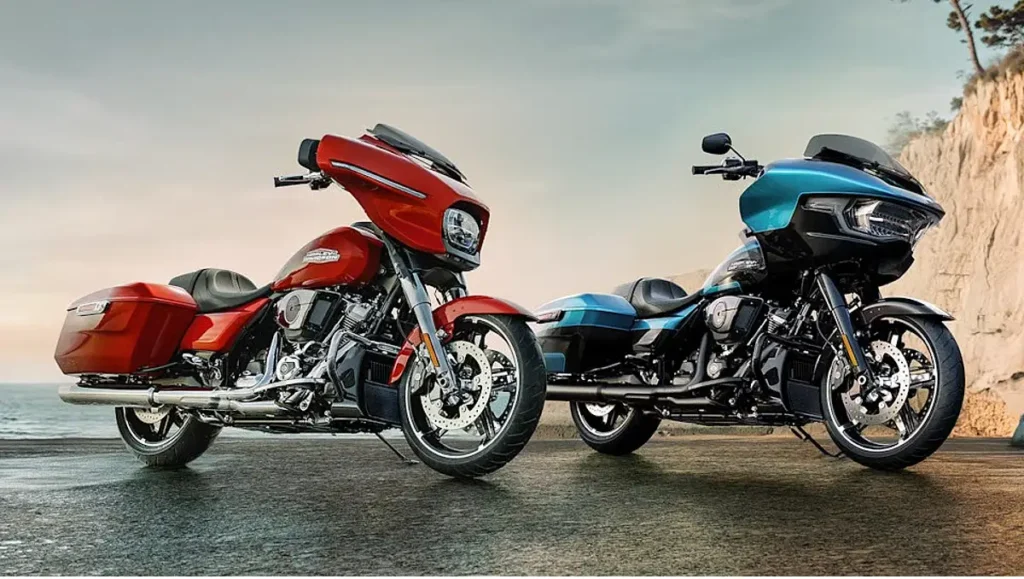
This isn’t just another minor tax tweak. It is a full-blown removal of the wall that kept big American iron out of reach for many. Since the news broke on February 7, 2026, the buzz has been non-stop. Basically, the “Harley tax”—something that’s been a thorn in the side of international trade for years—is being buried for good.
The Zero-Duty Breakthrough
So, what is actually happening? The core of the deal is “Zero-Duty” access for high-capacity motorcycles. To be specific, India is cutting import taxes to 0% for any bike with an engine between 800cc and 1,600cc or more.
Before this, if you wanted a bike like the Heritage Classic, it was hit with a 40% basic customs duty. Once you added the social welfare surcharges, you were looking at roughly 44% in total taxes before the bike even left the port. The new agreement effectively kills that tax. Once we hit mid-March 2026, that 44% overhead is history.
It is a huge win for the brand. While Harley already sells the X440 (made here in India with Hero MotoCorp), their legendary big-bore cruisers are still imported as Completely Built Units (CBUs). Removing that 44% tax is going to make the “on-road” price of those premium machines crash in the best way possible.
Why Harley-Davidson Prices to Drop Right Now
This didn’t happen by accident. It’s a classic case of trade-offs. Washington wanted its iconic brands to have a fair shot in the Indian market. In return, the US is lowering its own tariffs on things India exports—textiles, leather goods, and certain auto parts—to just 18%.
India also committed to a $500 billion plan to buy American energy and tech over the next five years. This “Interim Agreement” is a strategic move to fix old trade tensions. For you, the buyer, it just means that the dream of owning a Pan America or a Street Bob is suddenly a lot more realistic.
Which Bikes Get the Best Cuts?
The engine bracket they’ve chosen—800cc to 1,600cc—hits the heart of Harley’s lineup. Here is where you’ll see the biggest impact:
- Leading the pack are the Sportsters: the Nightster and the 1250cc Sportster S. You’re usually looking at a bill between ₹14 lakh and ₹18 lakh for these, which is a pretty hefty chunk of change. Cutting the duty could pull several lakhs off that price tag.
- The Cruisers: The Softail family, including the Fat Boy and Street Bob, are going to see a massive correction. These are the heavyweights that always suffered the most from import taxes.
- Adventure Touring: The Pan America 1250 Special is already fighting for space against European brands. A lower price makes it a much scarier competitor in the ADV world.
Keep in mind, the HD X440 won’t change. It’s built in India, so it never had to pay those import duties anyway. This price drop is purely for the “Real Deal” American-made imports.
The Timeline for 2026
The framework was announced this week, and right now, the lawyers are just “scrubbing” the fine print. Most people in the government expect the formal signing by mid-March 2026.
Once that happens, the customs department will issue the official notice. Any new shipment arriving at the docks from that day on will be charged 0% duty. If you’re about to sign a check, you might want to wait a few weeks. The updated price lists are going to look a lot different.
The Bigger Picture
Harley’s import numbers in India are actually pretty small—they sold fewer than 200 of these big bikes in the first nine months of the current year. But the move is huge because it shows India is opening up.
By letting Harley-Davidson Prices to Drop, the government is signaling a more friendly trade environment. Interestingly, this deal does not include electric vehicles. While the big V-Twins get a break, brands like Tesla are still stuck with 70-110% duties because India wants to keep its local EV makers safe.
The “Hidden” Costs
Don’t forget the math. This is a cut to “Import Duties.” You still have to pay GST (28% + Cess) and your local Road Tax. Those don’t change. The “Zero Duty” only wipes out the customs part.
Also, keep an eye on global shipping and inflation. They might eat a tiny bit of the savings. But even so, a 44% drop in the base import cost is a total game-changer for the industry.
Trade Pact Comparison: Who Wins?
| Category | Old Tax Rate | New Rate (March 2026) |
| 800cc – 1600cc Bikes | 44% | 0% |
| Luxury Petrol Cars | 110% | Dropping to 30% |
| Electric Vehicles (EVs) | 70% – 110% | No Change (Excluded) |
| Indian Textile Exports | Up to 50% | Dropping to 18% |
Wrap Up
Harley’s time in India has been a total mess of highs and lows. They actually packed up and shut the Bawal plant back in 2020, but the Hero MotoCorp tie-up has since breathed new life into the brand. This trade deal feels like the final piece. Now, they can sell the affordable X440 to the masses while making their legendary heavy cruisers accessible to the purists who couldn’t stomach the old “tax wall.”
Watch your local dealers closely. Some might start offering “price protection” bookings soon. One thing is for sure: the rumble of a Harley is about to get a lot more common on our roads.
FAQs – Harley-Davidson Prices to Drop: Everything You Need to Know
1: Will the Harley-Davidson X440 get a price cut too?
Actually, no. The X440 is already made right here in India through the Hero MotoCorp partnership. Since it isn’t imported as a full bike from the US, it never had to pay that 40% customs duty. The price drop only applies to the big, American-made imports.
2: When will the new, cheaper prices actually start?
The official trade pact is expected to be signed by mid-March 2026. You’ll see the prices drop at dealerships once the customs department officially updates its books, which should happen immediately after the signing.
3: Is the 44% tax cut the only thing changing?
Pretty much. That 44% figure is the “Customs Duty” plus a small surcharge. While that goes to zero, you still have to pay the standard 28% GST and your state’s road tax. So, the bike gets much cheaper, but it’s not “tax-free.”
4: Does this deal include other brands like Indian Motorcycle?
Yes. Any American motorcycle brand that imports bikes in the 800cc to 1,600cc range will qualify for zero duty. If you’ve been looking at an Indian Scout or Chief, you’re in luck.
5: Why is the government doing this now?
It’s a trade-off. In exchange for cutting the bike tax, the US is lowering tariffs on Indian textiles, leather, and auto parts to 18%. It’s basically a “you scratch my back, I’ll scratch yours” deal to help Indian exporters.
6: What if I just bought a Harley? Can I get a refund?
Unfortunately, it doesn’t work that way. Import duty is paid the moment the bike enters the country. Since your bike was already cleared under the old tax laws, the dealer can’t claw that money back from the government.
7: Are electric bikes like the LiveWire included?
No, and this is a big point. The Indian government specifically kept Electric Vehicles (EVs) out of this deal to protect local manufacturers. If you want a US-made electric bike, you’re still going to pay the high import fees.
8: Which Harley models will see the biggest price drops?
The “big hitters” like the Fat Boy, Heritage Classic, and Pan America 1250 are the main beneficiaries. These are all in that 800cc+ bracket that is getting the zero-duty treatment.
9: Will this make Harleys cheaper than Japanese superbikes?
It definitely makes it a fair fight. Many Japanese bikes come from countries with their own trade deals, but this finally puts American bikes on a level playing field. It’s going to be a very competitive year for the premium market.
10: Should I wait until April to buy my bike?
If you want the absolute lowest price, waiting until after the March signing is a smart move. Most dealers will likely update their price lists the second the law changes to start moving their high-end stock.
—