Hero Xtreme 160R 4V vs TVS Apache RTR 160 4V Honest Buyer Guide
Hero Xtreme 160r 4v vs TVS Apache rtr 160 4v is a match up that a lot of Indian buyers end up debating. Both belong to the hot 160 cc sporty commuter space, both promise a mix of everyday usability and weekend fun, and both brands are pushing new tech and features with every update. Picking between them is not as easy as just checking the spec sheet, even though the numbers are interesting on their own.
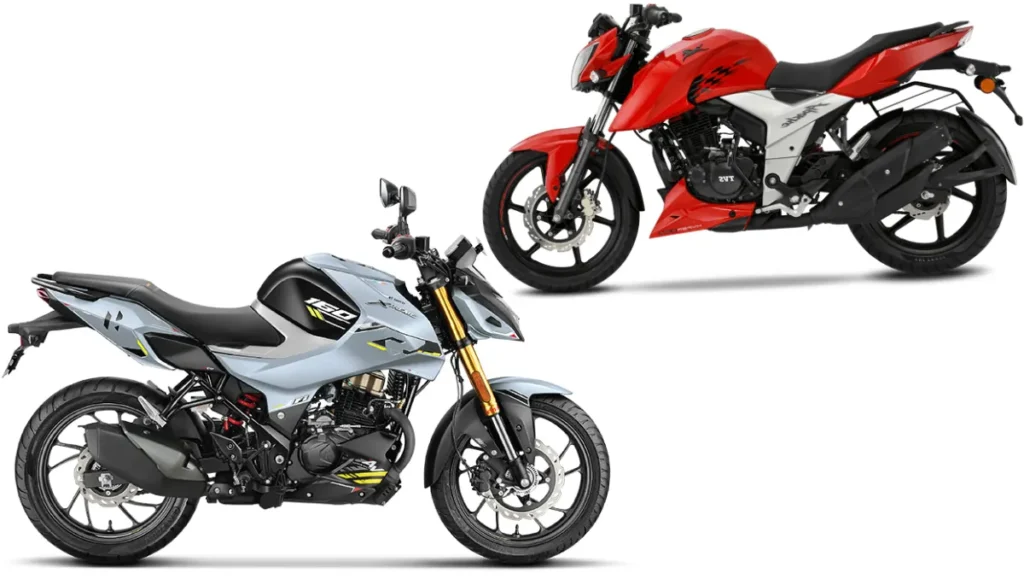
The Hero comes in as the newer kid in this 4 valve streetfighter game. The Xtreme 160R 4V uses a 163.2 cc air and oil cooled motor that makes around 16.9 PS and 14.6 Nm, tied to a 5 speed gearbox. It weighs about 146 kg and carries a 12 litre fuel tank, with a claimed mileage near 48 kmpl.
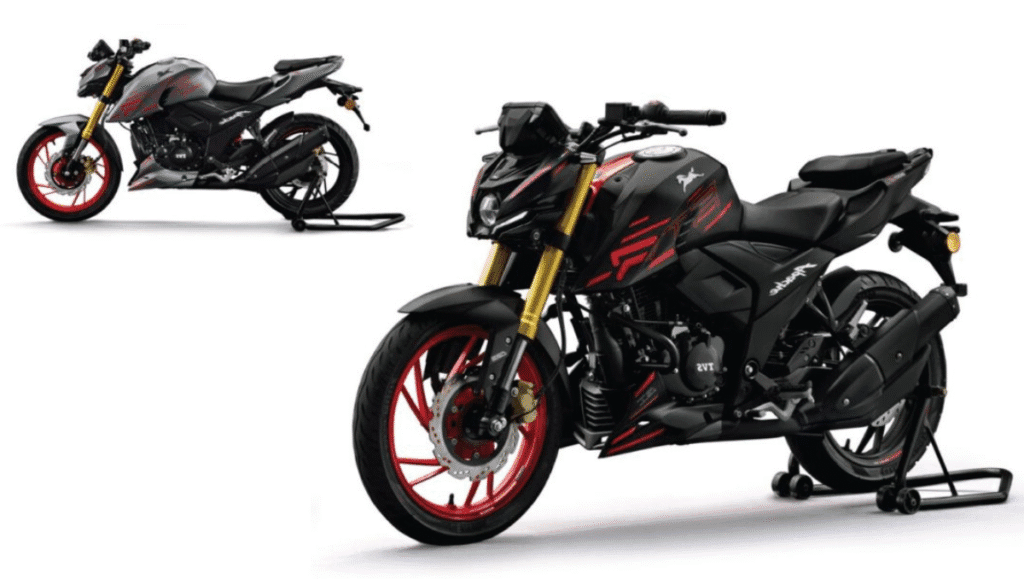
TVS, on the other hand, has spent years polishing the Apache rtr 160 4v formula. The current bike runs a 159.7 cc air and oil cooled engine with about 17.55 PS and 14.73 Nm on tap, again with a 5 speed box, similar kerb weight around 146 kg and a claimed efficiency near 47.6 kmpl with the same 12 litre tank size.
So on paper they sit very close, but the way they deliver that performance and the kind of rider each one suits can feel quite different.
Hero Xtreme 160r 4v vs TVS Apache RTR 160 4v Performance Comparison
If you look purely at numbers, the TVS has the edge in peak power and torque. Its 17 plus PS output makes it one of the strongest motors in this segment, and the way it revs out towards the top of the tacho will appeal to riders who enjoy stretching every gear. In Sport mode, the throttle response is crisp and the bike feels eager to pick up speed, especially once you cross mid-range revs.
The Hero’s 163.2 cc motor is slightly larger, but tuned more for mid-range punch than top end drama. It still makes healthy power and feels quick off the line, but the character is a little more relaxed and city friendly. Where the Xtreme 160R 4V fights back is with its low kerb weight feeling and tractable delivery. In day to day traffic, it pulls cleanly from low speeds without demanding a lot of gear changes, which many commuters will quietly appreciate.
On a fast highway run, the Apache rtr 160 4v will usually edge ahead once both bikes are spinning at higher revs. The TVS has always carried a bit of that track bred Apache DNA and it still shows here. The Hero may feel a touch calmer near the top, but that lower strain also makes it feel relaxed when cruising at typical Indian highway speeds.
Chassis, Ride and Handling
Both bikes now offer upside down forks at the front and a rear monoshock, at least on higher variants, which already puts them above many simpler commuters. On a winding stretch of tarmac, the Apache rtr 160 4v feels slightly sharper when tipped into corners. The suspension and frame setup encourage a sportier riding style, and the front end feedback is confidence inspiring, especially on the newer dual channel ABS and USD fork trim.
The Hero Xtreme 160R 4V has plenty of life in it, but its character feels more calm and comfort-oriented than sporty. It is happy changing direction in city traffic, feels light to steer and deals quite well with broken patches, speed breakers and small potholes. For riders who spend more time dodging auto rickshaws than chasing apexes, that slightly softer edge can actually be a plus.
Braking hardware is fairly evenly matched. Both offer disc brakes at both ends with ABS, and both now have dual channel ABS options at the top, which is reassuring if you ride a lot in rain or on unpredictable surfaces.
Features and Tech
This is where the comparison gets really interesting.
The Apache rtr 160 4v has been known for packing in clever tech like ride modes, TVS SmartXonnect Bluetooth, race telemetry style data, turn by turn navigation and even a GTT (glide through traffic) feature that lets the bike crawl ahead in traffic with minimal throttle input. Newer variants add USD forks and dual channel ABS while still keeping the price competitive.
Hero has responded strongly with the latest Xtreme 160R 4V updates. The standard bike already offered a full digital cluster, LED lighting and connected features, but the new Combat or cruise control variant steps it up further. It brings in ride by wire throttle, 3 riding modes and, most unusually for this class, proper cruise control, along with a sharper LED headlamp and an updated colour LCD. For a 160 cc street bike, that cruise function is still a segment first party trick.
If your idea of tech is more about performance data and lap timers, the Apache rtr 160 4v ecosystem may appeal more. If you like the idea of setting a steady speed on an open road and letting the bike hold it, the Hero’s tech story suddenly becomes very tempting.
Comfort and Everyday Usability
Seat height on both bikes is friendly for average Indian riders, and neither feels intimidating. The Apache puts you in a slightly more aggressive stance, with a marginally lower handlebar and sportier peg position. It is still fine for daily use, but longer commutes might leave shorter riders feeling a bit more pressure on wrists and back if the roads are really crowded.
The Hero Xtreme 160R 4V keeps the rider triangle a bit more relaxed. The bar is slightly higher, the footpegs are not as rear set, and the seat padding feels welcoming for daily rides. Pillion comfort on both bikes is acceptable, though the Hero’s slightly flatter and wider seat can be kinder if your friend or family joins often.
In terms of heat management and refinement, both BS6 engines behave well in normal conditions. The Apache’s motor feels a little more vocal when pushed, which some riders enjoy, while the Hero stays a bit more muted. Vibrations are controlled on both, especially at typical city speeds.
Mileage and Running Costs
Real world fuel efficiency is a big question in this segment. Claimed figures are very close, with the Xtreme 160R 4V rated around 48 kmpl and the Apache rtr 160 4v around 47.6 kmpl.
In practice, most owners are likely to see mid 40s in mixed use if they ride with a light hand and do regular servicing. Given the similar tank size, range between fuel stops will also be in the same ballpark. Service networks for both Hero and TVS are wide, and parts prices for these 160 cc machines remain relatively sensible compared with premium imported brands.
Variants and Pricing
As of late 2025, Hero Xtreme 160R 4V pricing in Delhi starts near 1.30 lakh ex showroom and goes up to about 1.34 lakh for the cruise control variant.
TVS Apache rtr 160 4v has a broader variant spread, starting around 1.16 lakh and stretching up to roughly 1.39 lakh ex showroom Delhi for the top dual channel ABS with USD fork trim.
So depending on which trims you compare, either bike can look slightly cheaper or slightly more expensive. At the very top, the Apache rtr 160 4v costs a bit more but adds performance and suspension goodies, while the Hero’s fully loaded price sits just below, trading pure power for features like cruise control.
Which Bike Should You Pick
If your heart is set on spirited riding, occasional track days, fast highway runs and you enjoy wringing out an engine, the TVS Apache rtr 160 4v still feels like the more focused machine. The stronger top end, racier ergonomics and long list of performance oriented features all play into that character.
If your life is more about crowded commutes, weekend rides with friends and the occasional highway trip, the Hero Xtreme 160R 4V makes a very strong case. It feels easy going in traffic, sips fuel sensibly, and in its latest avatar, brings big bike features down to a more accessible price.
In the end, Hero Xtreme 160r 4v vs TVS Apache rtr 160 4v is less about which bike is objectively superior and more about what kind of rider you are. The Apache leans toward the enthusiastic, slightly aggressive motorcyclist who loves speed and lean angles. The Xtreme leans toward the rider who wants a quick, stylish and tech loaded tool for everyday life that still knows how to have fun when the road opens up.
FAQs – Hero Xtreme 160R 4V vs TVS Apache RTR 160 4V
1: Which one feels easier to ride every single day?
If your daily riding is mostly traffic, signals, and slow moving roads, the Hero generally feels less tiring. The Apache is more exciting, but you do feel that extra edge when things get crowded.
2: Does the Apache really feel faster or is it just hype?
It does feel quicker when you push it. Especially when you rev it harder, it feels like it wants to keep going. The Hero feels quick too, but in a smoother, calmer way.
3: I am not a very aggressive rider. Will the Apache feel uncomfortable?
Not uncomfortable, but you will notice it feels sportier. If you ride gently most of the time, the Hero might feel more natural and relaxed.
4: Which bike feels better on bad roads?
The Hero usually feels kinder on rough patches. It glides over bumps a bit better. The Apache feels tighter and more firm when you hit potholes.
5:. Are these bikes suitable for beginners?
Yes, both are beginner friendly. They are light, balanced, and not scary to handle. You get used to them pretty quickly.
6: Is the mileage difference noticeable in real life?
Not really. In daily use, both give similar fuel economy. Riding style matters more than the bike in this case.
7: Which bike feels less stressful after a long ride?
Most people feel less tired on the Hero after long slow rides. It just feels easier on the wrists and back. The Apache feels more engaging, but slightly more demanding.
8: Does the Hero feel boring when compared side by side?
Not boring. It just doesn’t shout for attention. It does everything neatly and smoothly while the Apache feels like it wants to play more.
9: Which one feels easier to handle in tight city parking or U turns?
Both are light, but the Hero feels a little more forgiving when you are doing slow speed maneuvers.
10: If I just want a bike that looks good and works every day without drama, which one suits better?
The Hero usually fits that personality better. The Apache suits someone who enjoys feeling a bit of sportiness every time they ride.
—