Honda Recalls 70K Vehicles in US over Brake Issue Affecting Brake Performance
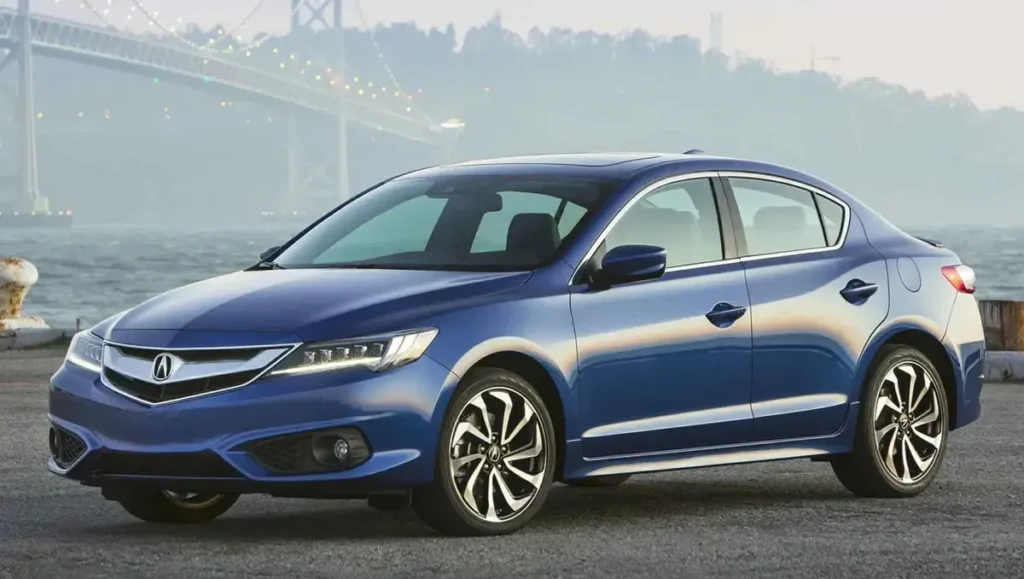
When Honda Recalls 70K Vehicles in US over Brake Issue, it immediately grabs attention in auto safety circles and with owners who drive the affected cars. In mid-December 2025, the U.S. National Highway Traffic Safety Administration (NHTSA) and Honda jointly announced a recall affecting tens of thousands of Acura ILX sedans – a model under Honda’s Acura luxury brand – due to a potentially serious brake malfunction.
This isn’t one of those small recalls for loose floor mats or minor wiring. The issue here is brake performance, and that’s not something you take lightly in any vehicle. If stopping distances increase, even slightly, it can raise the chances of an accident or injury depending on how and where the car is driven.
If your vehicle is affected, don’t skim past the recall notice. Spend a moment understanding what this could mean for safety and regular vehicle operation.
Cars Are Involved in Honda Recalls 70K Vehicles in US over Brake Issue
The recall impacts 70,658 vehicles in the United States. Specifically, it includes model-year 2016 to 2020 Acura ILX sedans — compact luxury cars that were sold across the country and are still on the road with many drivers.
These vehicles are subject to a safety action due to possible brake master cylinder behaviour in specific driving scenarios
What Exactly Is the Brake Problem?
The heart of the recall – and the reason Honda Recalls 70K Vehicles in US over Brake Issue – is a defect in the brake system’s internal components. According to NHTSA, the problem stems from the brake master cylinder. This vital part helps ensure that brake fluid goes where it’s supposed to when you apply the brake pedal.
In the affected ILX models, a seal in the master cylinder can be compromised. If brake fluid gets dirty, or something inside the hose starts breaking down, the seal can swell and lose shape. When that happens, fluid may slip past it, especially when the brakes are only pressed lightly. Radiant engine heat can make the issue worse under certain conditions.
When fluid bypasses the seal, it can reduce the firmness of the brake pedal and extend the stopping distance, which means the vehicle may take longer than expected to slow down or stop – something no driver wants to experience, especially in emergency situations.
Reports of Failures, Crashes, or Injuries
So far, Honda and NHTSA have not linked any crashes or injuries directly to this brake defect, but the government agency and the automaker are acting out of caution because reduced braking performance is a known safety risk.
Honda has noted a number of warranty claims related to braking but has not tied them directly to crashes. Estimates from some reports suggest that only about 0.3 percent of the nearly 70,700 recalled vehicles might actually have the defect manifest, which translates to roughly a couple of hundred cars – but even that small risk is enough to justify the recall.
How Will Honda Fix the Problem?
Part supply and distribution timing may vary depending on the dealer and region, but dealers will typically begin free replacements once improved parts are available. Owners are asked to book repair appointments shortly after notice. This replacement is meant to restore normal brake function and confidence in the brake system.
Some reports state that initial letters notifying owners of the safety risk will go out by February 2, 2026, and follow-up correspondence will be mailed when parts and scheduling are ready.
When Will Repairs Start?
Part supply and distribution timing may vary depending on the dealer and region, but dealers will typically begin free replacements once improved parts are available. Owners are asked to book repair appointments shortly after notice.
Not sure if your vehicle is part of it? You can look up the VIN on NHTSA’s site, or just ask an Acura dealer nearby.
What Should Affected Owners Do Now?
If you’re driving an affected 2016–2020 Acura ILX, watch for recall letters and deal with them quickly, not later. Letting it slide isn’t smart, because even a small dip in braking performance can turn serious once you’re actually out there on the road. Though no crashes have been confirmed so far, proactive repairs reduce risk and give peace of mind.
In the meantime:
- Take extra care while driving, particularly at slower driving speeds.
- Search your VIN status online through NHTSA or Acura recall portals.
- Contact a dealer if you receive correspondence before parts are available.
- Keep your service records once the repair is completed.
Why Honda Is Issuing This Recall
Recalls like this don’t come out of nowhere. They usually happen once a safety risk is spotted, even before crashes show up. In Honda’s case, internal checks, warranty data, and ongoing brake performance reviews pointed to a problem early, pushing the company to act before things got worse.
Agencies like NHTSA require automakers to report and deal with defects that may affect crash risk or injury potential. Honda’s cooperation during this recall reflects meeting legal duties and also taking customer safety concerns seriously at the same time.
Broader Context: Recalls and Consumer Safety
Recall campaigns are not unusual in the automotive world – even widely trusted manufacturers like Honda have issued several over the years when potential hazards are uncovered. The focus is solving issues early, before they turn into injury or worse cases.
Owners really shouldn’t wait on recalls, since most fixes cost nothing and still matter for safety, insurance paperwork, and keeping the vehicle’s resale value intact.
What This Means for Acura ILX Owners
For owners keeping their ILX as a daily driver, this recall underscores the importance of staying on top of safety notifications. The Acura ILX no longer is in production. It was discontinued after the 2020 model year but many remain in use, and getting this brake issue addressed will help ensure they continue to operate safely.
Some owners might also find peace of mind in knowing that only a small fraction of cars are estimated to show the defect, and no crashes have been conclusively tied to this issue. Ultimately, proper inspection and repair of your vehicle cannot be replaced.
Final Thoughts: Safety First on the Road
Automakers and safety regulators aim to reduce risk before it turns into real world harm.
When Honda recalls 70K vehicles in US over brake issue, it shows how small parts can still turn into big safety concerns if ignored. Owners shouldn’t take recall notices lightly and should get the free fix done. Following through helps protect drivers, passengers, and others sharing the road.
Though recalls may be inconvenient, they’re an essential part of car ownership – and this one, affecting braking function, is exactly the kind where caution should come first.
Honda Recalls 70K Vehicles in US over Brake Issue
FAQ 1: What is the reason Honda recalls 70K vehicles in US over brake issue?
Honda issued the recall due to a potential defect in the brake master cylinder that could reduce braking performance under certain conditions, increasing stopping distance.
FAQ 2: Which vehicles are included in this Honda brake recall?
The recall affects 70,658 Acura ILX sedans from model years 2016 to 2020 sold in the United States.
FAQ 3: Is this recall related to crashes or injuries?
So far, Honda and safety regulators have not confirmed any crashes or injuries directly linked to this issue, but the recall was issued as a precaution.
FAQ 4: What exactly happens when the brake defect occurs?
Contaminated brake fluid or hose material may cause a seal inside the brake master cylinder to swell, allowing fluid to bypass the seal during light braking.
FAQ 5: How will Honda fix the brake issue?
Dealers will replace the faulty brake master cylinder with an improved part at no cost to the owner once parts become available.
FAQ 6: When will recall notices be sent to owners?
Honda plans to begin mailing recall notices to affected owners in early 2026, with follow-up letters sent once repair parts are ready.
FAQ 7: How can owners check if their Acura ILX is part of the recall?
Owners can check their vehicle identification number on the NHTSA recall website or contact an authorized Acura dealer for confirmation.
FAQ 8: Is it safe to continue driving the vehicle until repairs are done?
Honda has not advised owners to stop driving, but recommends extra caution, especially during low-speed braking, until the repair is completed.
FAQ 9: Will owners have to pay for the recall repair?
No. All recall-related inspections and repairs will be performed free of charge by authorized Acura or Honda dealers.
FAQ 10: Why does this recall matter even though the Acura ILX is discontinued?
Although the ILX was discontinued after the 2020 model year, many are still on the road, and fixing the brake issue helps ensure continued safe operation.
—