Honda Super-One Compact EV Launch: Honda Redefines Compact Electric Mobility
Honda Super-One Compact EV debuts at the Japan Mobility Show 2025, marking a new era in compact electric vehicle excitement. Centered on the theme of “e: Dash BOOSTER,” this concept car reflects Honda’s dedication to infusing sustainability, innovation, and an electric thrill of driving into one compact yet potent package.
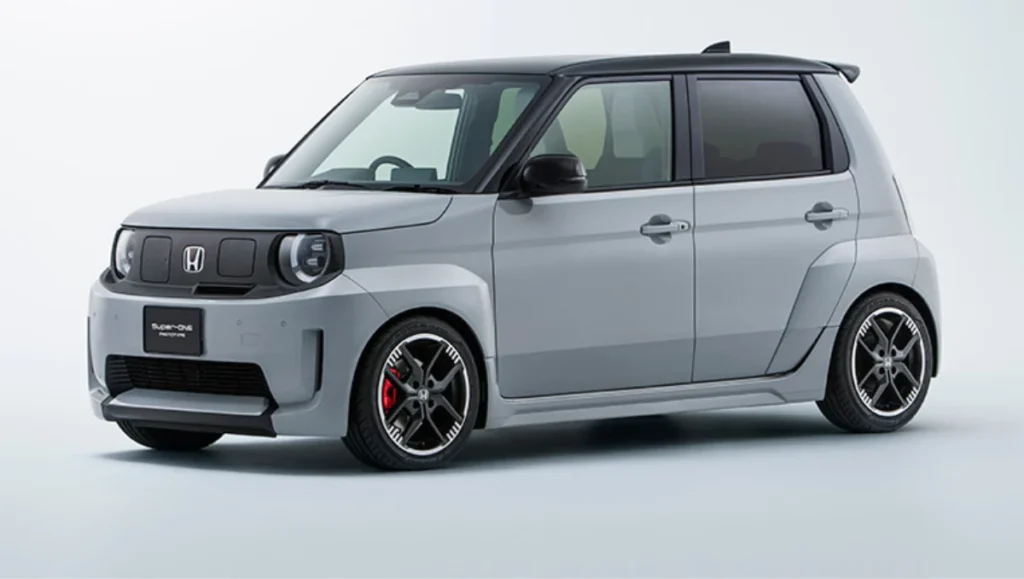
Super-One reflects Honda’s aspiration for something more than just regular EVs — a vehicle that is both super in its performance and one-of-a-kind in its personality. With the debut of Honda Super-One Compact EV, the brand again emphasizes its heritage of engineering brilliance and driving delight in a world where electric mobility is changing at a tremendous pace.
A Compact EV That Assures Utter Driving Delight
When the Honda Super-One compact EV debuts, it offers so much more than mere efficiency — it reimagines driving as fun. Underpinned by Honda’s slim-line N Series platform, the vehicle boasts agile handling and an extremely responsive drive, making it perfect for city streets as well as twisty roads.
The Super-One’s Boost Mode, an innovation created specifically for this vehicle, elevates performance several levels. Activating this mode releases a boost of power while coordinating a virtual 7-speed transmission and Active Sound Control system. What results is a multi-sensory experience that mimics the sensation and exhilaration of driving a conventional high-performance car, despite being electric.
Sporty and Distinctive Exterior Design
The Honda Super-One compact EV debuts also highlights its unique exterior styling — a combination of functionality, performance, and futuristic appearance.
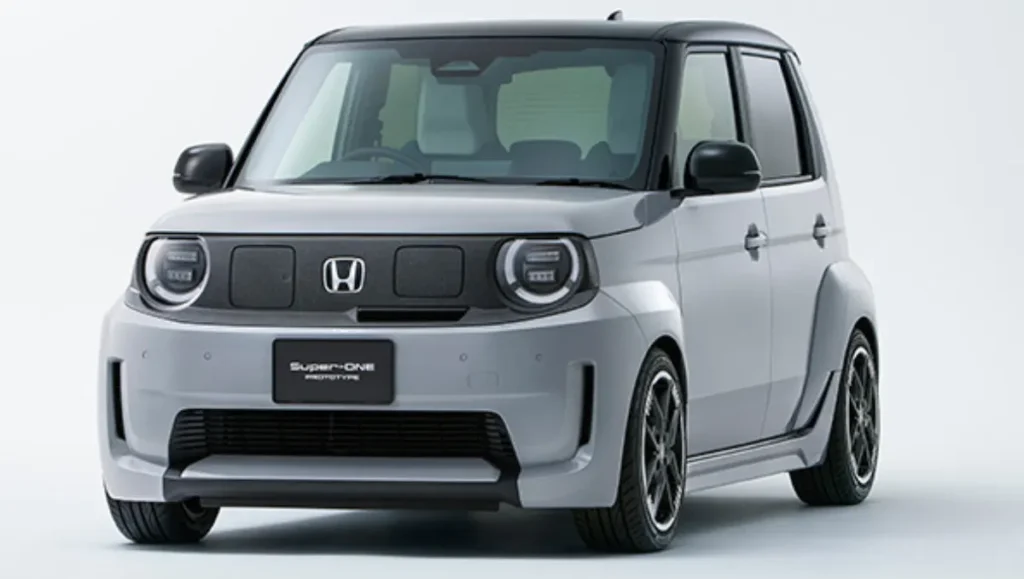
The front fascia includes round LED headlamps set into a thin, silver grille that offers a cute but forceful appearance. Vertical air ducts in the bumper improve cooling and aerodynamics, with flared blister fenders contributing width and stability. The tall-boy hatchback posture suits its small proportions, providing agility while not diluting comfort.
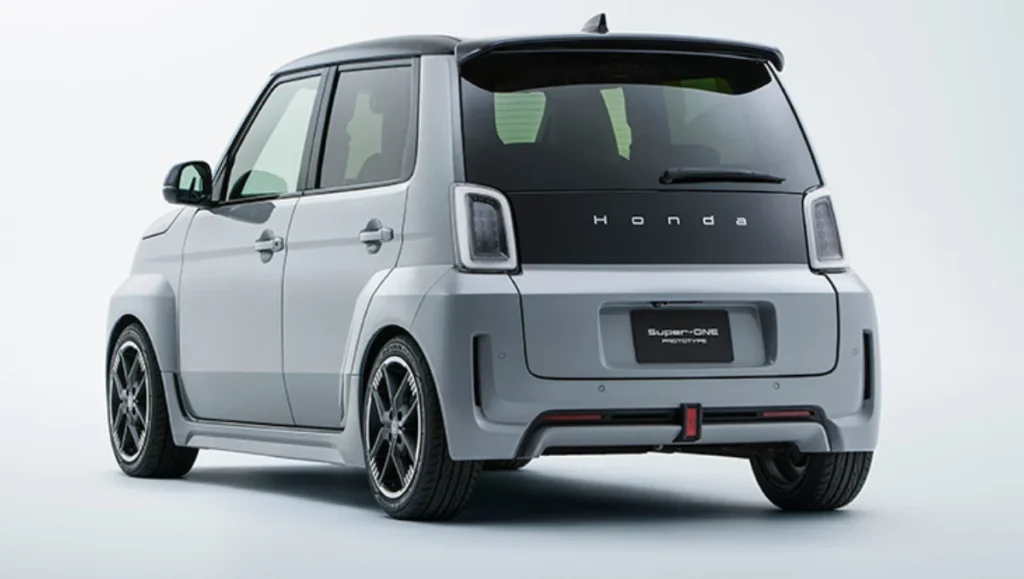
At the back, LED clusters and a black, wide tailgate give the EV a sporty look. A roof spoiler, aero flaps, and diffuser complement its sporty nature, blending style and function in perfect harmony. Honda has been able to design a car that is fun to drive yet serious — an apt representation of its fun-to-drive philosophy.
Interior: Minimalism Meets Performance
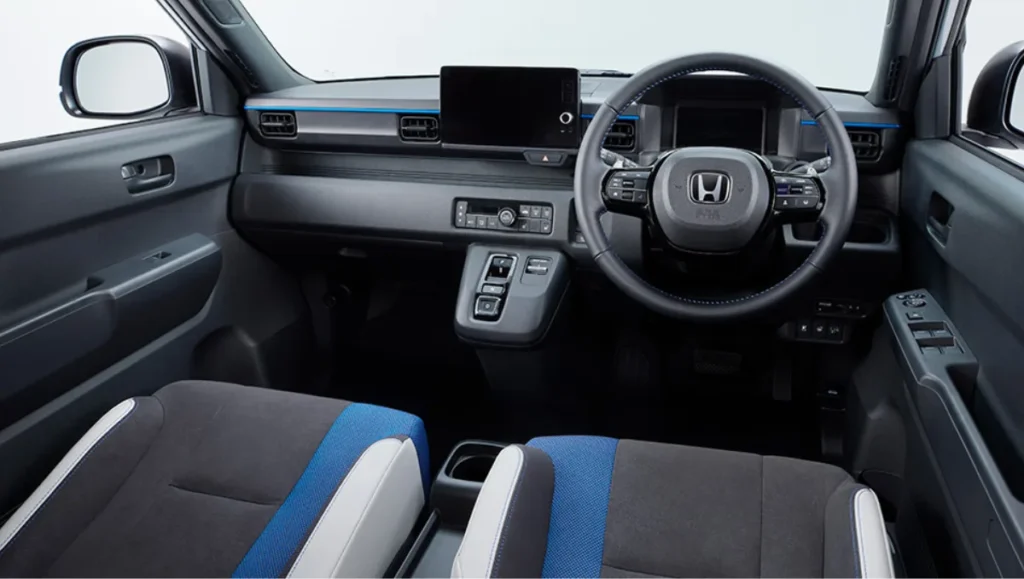
Within, the Honda Super-One compact EV debuts exposes an interior crafted with intent and interaction in mind. A sleek dashboard design prioritizes cleanliness and simplicity, hosting a stand-alone touchscreen infotainment system at its focal point.
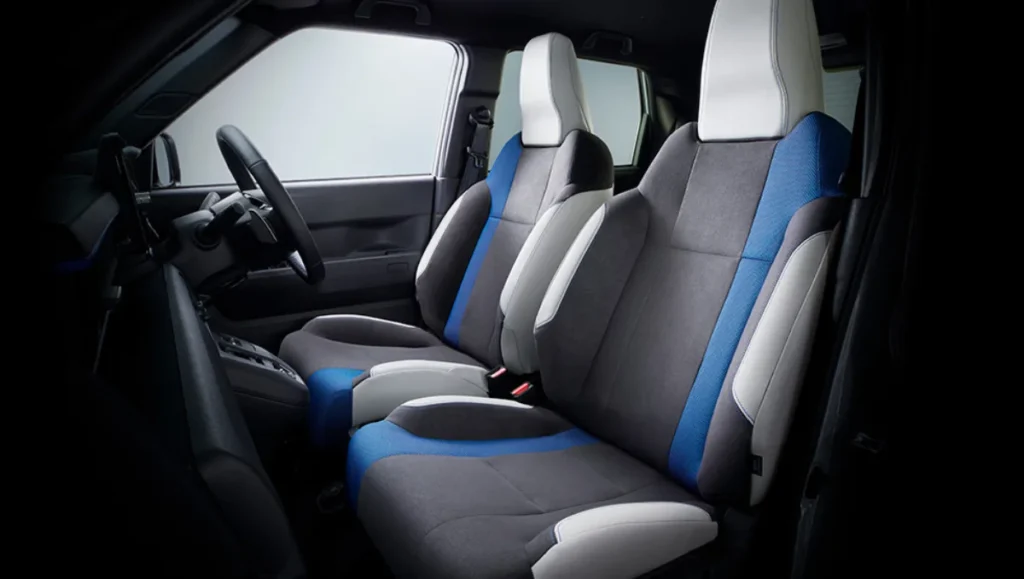
Sport seats unique to this vehicle offer great lateral support during performance driving. The blue-trimmed, asymmetrical interior styling adds a youthful touch, while the horizontal orientation of the dashboard enhances visibility and keeps the driver focused on what’s ahead on the road.
Honda’s dedication to ergonomic design is evident. Physical buttons are left for the critical functions, and the gear selector has been substituted with dashboard-mounted buttons for a clean appearance. The cabin reflects Honda’s design philosophy — austere, driver-oriented, and intuitive.
Powertrain and Performance
Though Honda has not provided final specifications, initial reports suggest that the Honda Super-One Compact EV will provide a variety of battery options and will deliver a range of 350 to 400 km in one charge. The EV may have a single electric motor with a power rating of about 120 to 150 PS.
The Boost Mode, which is available solely to Exclusive customers, not only amplifies performance — it redefines the driving experience. By combining visual, audio, and touch feedback with simulated engine noises and gear changes, Honda guarantees that its Super-One Compact EV delivers an emotionally stimulating drive that differs from all other compact electric cars in the world.
Tested for Real-World Conditions
Prior to the Honda Super-One compact EV debuts, the prototype was subjected to thorough world testing in Japan, the UK, and other Asian countries. The vehicle was tuned for stability, safety, and responsiveness under different types of weather and road conditions.
Earlier this year in 2025, its forerunner, the Super EV Concept, made a dynamic debut at the Goodwood Festival of Speed, where it revealed Honda’s vision for fun, compact EVs to come. The Super-One is the vision’s next iteration — refined, functional, and prepared for the next chapter of electric mobility.
Launch Plans and Market Strategy
After the Honda Super-One compact EV debuts, Honda has now confirmed that it will reach production form in Japan in 2026. It will subsequently introduce to other major markets, such as the UK and certain Asian nations, under alternate regional names.
• Super-One in Japan and most of Asia and Oceania
• Honda Super-One in certain markets
• Super-N in the United Kingdom
Unfortunately, Honda hasn’t made any plans for bringing this model to India yet. Yet, given the nation’s increasing need for compact EVs, the Super-One would be a serious contender if priced competitively within Rs 10 lakh to Rs 15 lakh.
A Vision of the Future: Compact, Smart, and Fun
The Honda Super-One compact EV debuts is not just the introduction of a new vehicle — it signifies Honda’s commitment to redefining the emotional bond between humans and electric mobility.
Through the combination of light engineering, driver involvement, and technological innovation, Honda demonstrates that compact cars can be just as thrilling as larger vehicles. With the Super-One Compact EV, the brand exemplifies how sustainable design can go hand-in-hand with unadulterated driving pleasure — a philosophy that has underpinned the Honda brand from the very start.
FAQs – Honda Super-One Compact EV Debuts
1. What is the Honda Super-One Compact EV?
The Honda Super-One Compact EV is a future electric vehicle launched at the Japan Mobility Show 2025. It embodies Honda’s “e: Dash BOOSTER” concept and is designed to provide a thrilling, light, and efficient driving experience.
2. When was the Honda Super-One compact EV debuts?
Honda unveiled the Super-One Compact EV officially at the Japan Mobility Show 2025 in Tokyo, where it made headlines across the world for its sporty performance blended with green electric mobility.
3. Is Honda Super-One an electric or hybrid car?
Super-One is a pure electric vehicle (EV). It rides on a dedicated EV platform with no internal combustion engine hardware, delivering a clean and zero-emission drive.
4. What makes the Honda Super-One Compact EV unique?
The Super-One stands out for its Boost Mode, a system that simulates a 7-speed gearbox and engine sounds to recreate the thrill of driving a traditional performance car — all while remaining fully electric.
5. What is the expected range of the Honda Super-One Compact EV?
Though Honda has not unveiled formal specifications, preliminary estimates place its range between 350 to 400 kilometers per charge, varying based on model and driving conditions.
6. What styling elements characterize the Honda Super-One Compact EV?
The vehicle boasts round LED headlamps, a tall-boy hatchback silhouette, broad fenders, a sporty LED tailgate design, and a roof spoiler that is both sporty and aerodynamic — marrying contemporary looks and aerodynamic effectiveness.
7. What interior amenities can one expect to find in the Super-One EV?
Its interior boasts a simple dashboard, driver-focused controls, sport seats, a floating infotainment system touchscreen, and blue-accented interiors aimed at boosting driving engagement.
8. When will the Honda Super-One be available on the market?
Honda is set to begin production of the Super-One Compact EV in 2026, beginning in Japan, then other Asian and European markets.
9. Will the Honda Super-One Compact EV be launched in India?
Honda hasn’t yet announced an India launch, but with increasing demand for compact electric vehicles, it might come later if the price is right.
10. How— does the Honda Super-One signify Honda’s EV future?
The Super-One Compact EV is the embodiment of Honda’s vision of creating electric vehicles that are not only sustainable but also emotionally connected. It’s a demonstration of the company’s continuous journey to full electrification by 2030.
—