Honda to Raise Prices from January 2026: What Changes for Buyers Before Year End
Honda to Raise Prices from January. Price changes have a habit of becoming very real only when you are standing inside a showroom, staring at a final quotation that looks higher than expected. Most car purchases in India are planned carefully. People compare models, wait for the right time, discuss budgets at home, and often delay decisions hoping for a better deal. When Honda to Raise Prices from January 2026 enters the picture, A few months can suddenly make a noticeable difference to the final on-road cost. Even a small increase at the ex-showroom level can stretch a budget once insurance, registration, and loan calculations are added.
What makes this update more important is that it is not limited to one specific car. It affects Honda’s wider range, meaning families, first-time buyers, and upgrade seekers are all touched by the same shift. Some may decide to move faster, others may rethink variants, and a few might even reconsider timing altogether.
Why Honda to Raise Prices from January 2026
There is a tendency to assume carmakers raise prices just because they can. In reality, it is usually slower and more complicated than that. Honda to Raise Prices from January 2026 is the result of pressures that have been building for a while. Manufacturing costs are not easing, as materials, shipping, vendor costs, and compliance requirements inch upward gradually. None of these rise overnight, which is why price hikes are delayed rather than immediate.
Companies absorb what they can, until they cannot. January is also a natural reset point. New production cycles, fresh accounting years, and revised cost structures all begin around this time. From Honda’s side, January simply makes operational sense. From a buyer’s side, it means there is a clear before-and-after moment. Honda to Raise Prices from January 2026 is not a sudden move. It is more like a door slowly closing.
Honda to Raise Prices from January 2026 across its Line-up
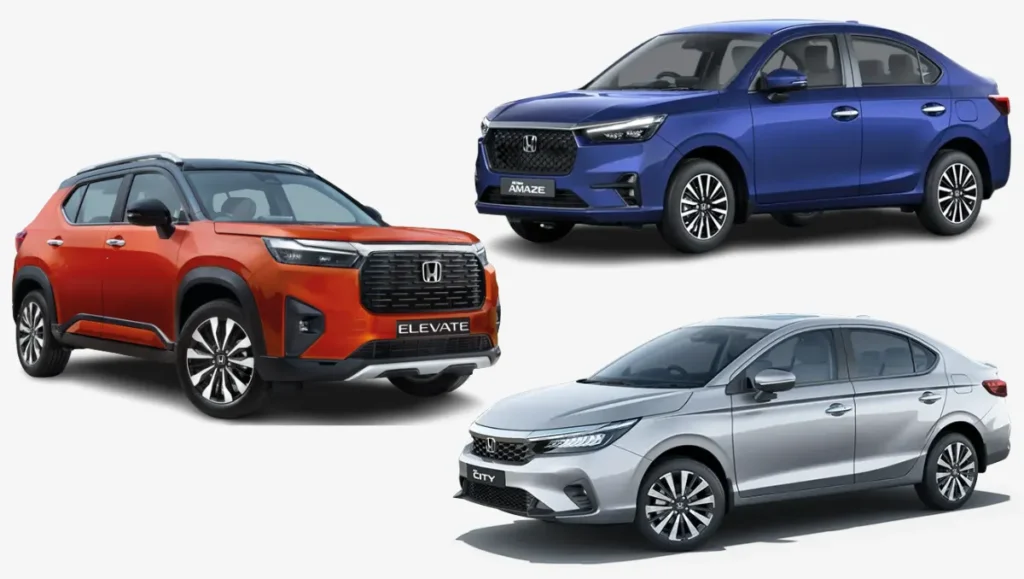
This is not limited to a single popular model. Honda to Raise Prices from January 2026 applies to the brand’s entire current range in India.
The Honda City, known as a sensible, safe sedan, remains central to this update. Buyers are drawn to comfort, reliability, and a familiar driving feel. Even a modest rise here can quietly change which variant people feel good about buying in the end.
The Honda Amaze, often picked for its value positioning, is also included. Buyers in this segment usually operate within strict budgets. A small increase might not look like much, but it can shift monthly loan calculations enough to matter.
The Honda Elevate is part of this change as well. As a newer offering, it already sits at a higher starting price compared to sedans. Any upward movement tends to feel sharper in the SUV category.
Put together, Honda to Raise Prices from January 2026 is not selective. It is broad, deliberate, and planned.
What the Price Hike Really Means at the Dealership
One thing buyers often underestimate is how a price hike actually plays out in real life. Honda to Raise Prices from January 2026 does not just change one number on a brochure.
Ex-showroom prices go up first. After that, insurance costs usually follow, because they are linked to vehicle value. Registration charges, calculated as a percentage, also rise. The final on-road price quietly stretches further than expected.
So while the increase itself may sound controlled, the total difference at delivery can feel more noticeable. This is where timing becomes important. Buying the same car a few weeks earlier can genuinely save money.
That is why Honda to Raise Prices from January 2026 is more than a headline. It affects the final cheque amount.
If You Have Already Booked a Honda
Many buyers worry about what happens if they have already placed a booking. Honda to Raise Prices from January 2026 usually does not affect confirmed deliveries completed before the price change takes effect.
The risk comes with delays. Financing issues, documentation gaps, or vehicle availability challenges can delay delivery into January. Once delayed, revised pricing may apply even for bookings done earlier.
Anyone with an active booking should stay in touch with their dealer and track timelines closely. Small delays can turn into unexpected costs if ignored.
Should You Move Your Purchase Forward
For buyers already planning to purchase soon, moving the decision forward often makes sense. Honda to Raise Prices from January 2026 creates a clear advantage for those who complete the process before the cutoff.
There is also the seasonal angle. By year end, dealers are often more willing to adjust terms. Exchange schemes, corporate benefits, or small cash discounts are easier to negotiate before January pricing settles.
That said, buying early should still feel comfortable. No one should stretch finances purely to avoid a hike. The smarter approach is to see whether the purchase already fits the plan and, if so, act slightly sooner.
How This Fits into Honda’s Long-Term Approach
Honda has never been known for aggressive or sudden price swings. Honda to Raise Prices from January 2026 fits the brand’s steady, predictable style. Rather than adjusting prices repeatedly through the year, Honda tends to wait and revise in structured steps. This approach reduces confusion and keeps resale values more stable.
In a competitive market loaded with frequent updates and offers, consistency becomes important. Buyers may dislike higher prices, but clear information is usually welcomed.
What Existing Owners Should Know
For existing Honda owners, Honda to Raise Prices from January 2026 does not affect daily ownership in practical terms. Service schedules stay fixed, maintenance costs remain steady, and warranty conditions continue unchanged.
There is, however, a slight advantage that comes with it. As new car prices rise, used car values tend to stay firmer. This may benefit owners who plan to sell or upgrade later. Over time, the market settles, and today’s increase becomes tomorrow’s accepted norm.
Takeaways
Honda to Raise Prices from January 2026 is not something that should worry buyers, but it does matter. It quietly reminds people that timing plays a role and that casual delays can come with a cost. For those already looking at a Honda, the months before January provide an opportunity to hold current prices and maybe negotiate better dealer terms. For others, it simply becomes part of the decision framework moving forward.
The smart move is not rushing or dismissing the update completely. Understanding what Honda to Raise Prices from January 2026 really signals helps buyers move ahead with confidence instead of annoyance later. Sometimes, early awareness makes a real difference.
FAQs – Honda to Raise Prices from January 2026
FAQ 1: When will Honda raise prices in India?
Honda will implement the new prices from January 2026. Any vehicle delivered after the revision date may be billed at the updated rate.
FAQ 2: Which Honda cars will see a price increase?
The price hike applies across Honda’s current lineup in India, including models like the City, Amaze, and Elevate.
FAQ 3: Why is Honda increasing prices from January 2026?
The increase is linked to rising input costs. Materials, logistics, supplier expenses, and compliance-related costs have gone up over time, making a revision necessary.
FAQ 4: How big will the price hike be?
Honda has not released exact figures for each model and variant. The increase is expected to be moderate, but the final on-road cost may rise more due to taxes and insurance.
FAQ 5: Will existing bookings be affected by the price hike?
Bookings delivered before the price revision usually stay at the old price. If delivery moves into January 2026, the revised pricing may apply.
FAQ 6: Can delays cause buyers to pay the higher price even after booking?
Yes. Delays related to financing, paperwork, or vehicle availability can push delivery into January, which may trigger the new price.
FAQ 7: Is it better to buy a Honda before January 2026?
For buyers already planning a purchase, buying before January can help lock current prices and possibly secure better dealer offers.
FAQ 8: Will dealers still offer discounts before the price hike?
Toward year end, dealers are often more flexible. Exchange benefits, corporate offers, or small cash discounts may be easier to negotiate before January pricing begins.
FAQ 9: Does the price hike affect service or maintenance costs for existing owners?
No. Service schedules, maintenance costs, and warranty terms remain unchanged for current Honda owners.
FAQ 10: How does this price hike affect resale value?
When new car prices increase, used car values often hold steadier. This can slightly benefit owners planning to sell or upgrade later.
—