Hyundai Future Cars in India 2030: What’s in Store Next
Hyundai new cars in India 2030 form the core of one of the brand’s most aggressive plans ever for India. The South Korean carmaker has outlined a wide-ranging plan that runs up to FY2030, with a focus on electrification, hybrids, increased manufacturing, and greater localization. Hyundai plans to have 26 models available on Indian shores by 2030, covering every significant powertrain type — petrol, diesel, hybrid, electric, and CNG.
This announcement marks a decisive step toward making India Hyundai’s second-largest global market, right behind North America. It’s not just about new cars but also about creating a future-ready mobility ecosystem aligned with India’s Make in India and sustainability vision.
Hyundai’s Big Plans Till FY2030
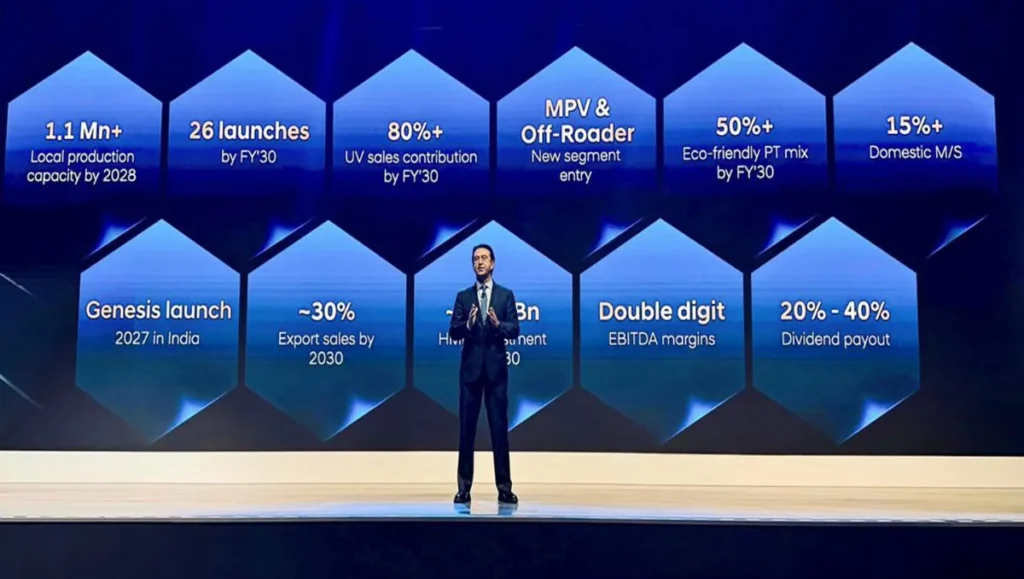
In its inaugural Investor Day in India, Hyundai has announced an investment of Rs 45,000 crore to fuel this growth. Sixty percent of it will be invested in product development and research, while the rest of 40 percent will enhance production capacity and infrastructure strengthening. Hyundai is looking to boost its annual production from less than one million cars to more than 1.1 million units across three plants — two at Chennai and one at Talegaon — by FY2030.
The company’s goal is to have over 15 percent domestic market share, increase revenues by 1.5 times, and cross the Rs 1 trillion revenue mark by FY2030. Hyundai India also targets 30 percent of its overall production to be shipped abroad globally, making the country a manufacturing and export hub for Asia and the world.
26 New Models on the Way
The Hyundai future cars in India 2030 model list consists of 26 models. Among these, seven are brand-new nameplates that are going into new market segments. The remaining seven will consist of generational refreshes, facelifts, and derivatives of the models.
The company will pace these launches over the next five years, with the largest wave between FY2029 and FY2030 when 14 new or refreshed models will go on sale. This aggressive product cadence allows Hyundai to stay in the top two automaker ranks in India.
Diverse Powertrain Strategy
Hyundai’s 2030 roadmap is designed around powertrain diversity to meet varied customer demands and regulatory shifts. Here’s the breakdown of what to expect:
- Internal Combustion Engines (ICE): 13 models will continue with petrol and diesel options, refined for performance and emissions.
- Hybrid Models: 8 models will have hybrid powertrains, with well-known brands such as the Creta, Venue, and Tucson. The hybrids will create a bridge between conventional and completely electric vehicles, providing improved fuel efficiency and reduced emissions.
- Electric Vehicles (EVs): 5 pure EVs will be introduced, one of which will be a locally developed, designed, and produced electric SUV by 2027.
- CNG Models: 6 models will come with factory-installed CNG variants for those buyers who are fond of lower running expenses and affordability.
With this range, Hyundai will become one of the select mass manufacturers in India selling all significant powertrain types.
New Segments: MPVs and Off-Road SUVs
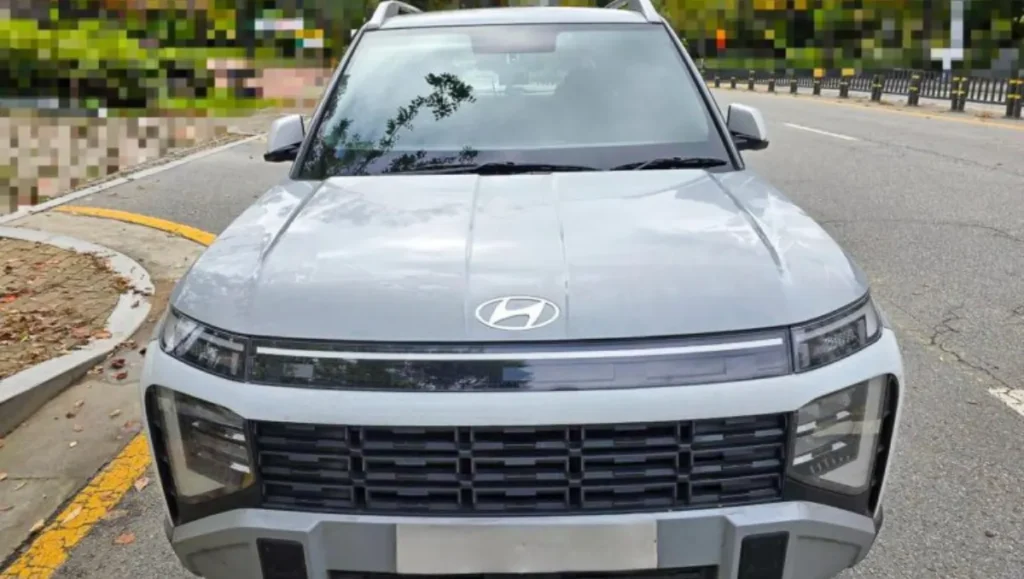
Hyundai will enter new segments in India, including a multi-purpose vehicle (MPV) and a rugged off-road SUV. These new nameplates will diversify Hyundai’s portfolio and attract buyers looking for more lifestyle-oriented and family-friendly options.
The Genesis Luxury Brand: Hyundai’s Premium Leap
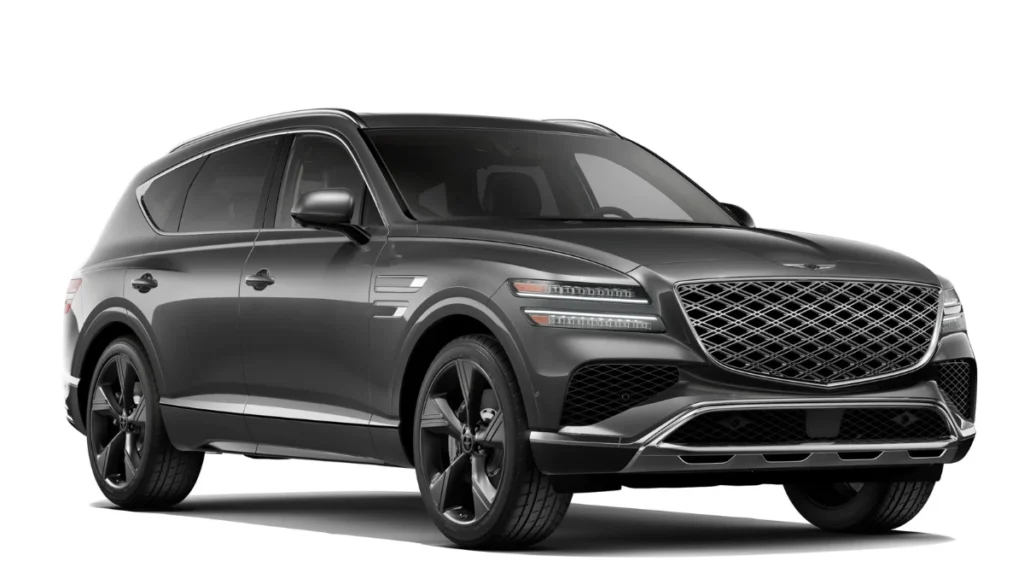
A major highlight of Hyundai’s future roadmap is the introduction of its luxury arm, Genesis, in India by 2027. Genesis will compete directly with established luxury brands such as BMW, Mercedes-Benz, and Audi. The vehicles will be assembled locally using CKD (completely knocked down) kits, ensuring competitive pricing without compromising on luxury.
The first model expected for India is likely to be the Genesis GV80 SUV, known for its world-class design, craftsmanship, and technology. The arrival of Genesis will mark Hyundai’s entry into India’s luxury market and signal its global ambitions for premium mobility.
Hyundai’s Production and Infrastructure Expansion
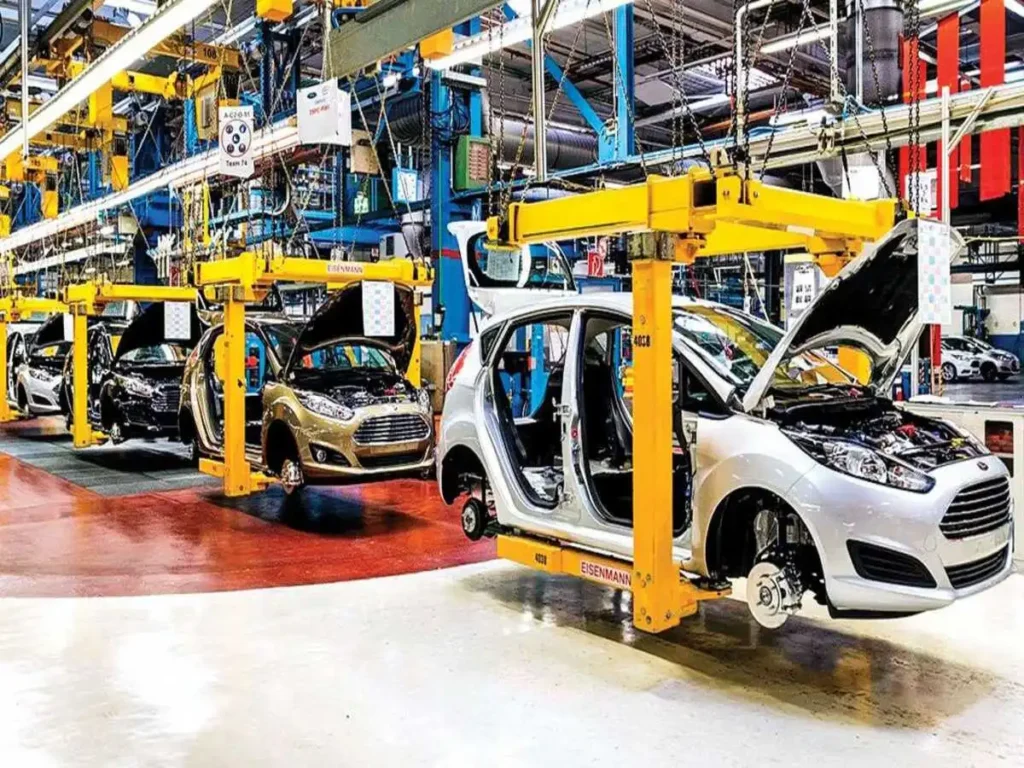
Hyundai has begun making cars at its Talegaon facility in Maharashtra, which it had bought from General Motors. Along with its two plants in Chennai, this takes Hyundai India‘s total installed capacity to 1.07 million units by 2028 — the highest output by Hyundai across all its worldwide units.
Upcoming Hyundai Models: Key Launches and Timeline
| Model | Expected Launch | Highlights |
|---|---|---|
| 2025 Hyundai Venue | November 2025 | New styling, Level-2 advanced driver assistance systems, dual 12.3-inch screens, and connected features with over-the-air updates |
| Hyundai Bayon Crossover | Mid 2026 | Compact crossover positioned below the Creta, expected to share platform elements with the i20 for efficiency and value |
| Verna Facelift | 2026 | Refreshed design, upgraded interior materials, improved safety kit, and enhanced infotainment |
| Exter Facelift | 2026 | Exterior styling updates, added convenience tech, and improved comfort features |
| Next-gen i20 and Alcazar | 2027–28 | Full redesigns with modern cabin, enhanced connectivity, and likely hybrid powertrain options for better efficiency |
| Next-gen Creta (SX3) | Early 2028 | Available in petrol, diesel, hybrid, and electric versions; expected to gain premium features and safety upgrades |
| Palisade Hybrid | 2028 | Flagship hybrid SUV with premium interiors, advanced driver assistance, and long-range hybrid efficiency |
| Dedicated Indian EV | 2027 | Designed and developed in India with two battery pack options, localized components, and mass-market price positioning |
The Talegaon plant will play a key role in manufacturing localized EVs and hybrid models, reducing costs and ensuring faster rollout. This expansion also aligns with Hyundai’s export target of up to 30 percent of total production.
Sustainability and Localization
Over half of Hyundai India‘s lineup by 2030 will be cleaner and more sustainable. The company is very much investing in hybrid and electric technologies in order to minimize its carbon footprint while offering EVs to the mass market.
Hyundai also plans to increase local sourcing and supplier partnerships, furthering its Make in India initiative. This approach will help stabilize prices and reduce dependency on imports, especially for EV components and batteries.
Hyundai’s Market Reach and Customer Focus
Hyundai’s sales and service network is set to cover 85 percent of India’s districts by FY2030. The company expects rural markets to contribute around 30 percent of its total sales, thanks to improved infrastructure and growing demand for SUVs and compact vehicles.
In addition, Hyundai aims to maintain strong double-digit EBITDA margins and deliver shareholder value through consistent dividends and sustained growth.
Conclusion
Hyundai future cars in India 2030 present a remarkable makeover in the nation’s automotive sector. With 26 models in the works, eight of them being hybrids, five electric vehicles, and new categories such as MPVs and off-road SUVs, Hyundai is paving the way for a new era of innovation and environmental harmony.
The introduction of the Genesis luxury brand, the development of an affordable India-designed EV, and massive capacity expansion reflect Hyundai’s long-term commitment to the Indian market.
For Indian automobile buyers, that translates to more models, more innovative technologies, and eco-friendlier alternatives in every price segment. The years ahead — beginning with the 2025 Hyundai Venue and the locally manufactured EV — will determine the future of Hyundai in India, positioning it among India’s most holistic and forward-thinking automakers.
FAQs of Hyundai Future Vehicles in India 2030
1. How many new vehicles will Hyundai roll out in India by 2030?
Hyundai intends to introduce 26 new vehicles in India by 2030, comprising new nameplates, facelifts, and next-generation versions.
2. Which kind of vehicles will Hyundai provide by 2030?
Hyundai will have petrol, diesel, hybrid, electric, and CNG vehicles to cater to various customer requirements.
3. When will Hyundai introduce its next electric vehicle in India?
Hyundai will launch a locally developed electric SUV in 2027.
4. What is Hyundai’s total investment plan for India by 2030?
Hyundai is investing Rs 45,000 crore in product development, infrastructure, and manufacturing.
5. Which luxury brand is Hyundai introducing in India?
Hyundai will introduce its luxury brand Genesis in India by 2027.
6. What is Hyundai’s production capacity target by 2030?
Hyundai has a vision of attaining a production capacity of more than 1.1 million units annually by FY2030.
7. What Hyundai models are expected to come to India soon?
The 2025 Hyundai Venue, Bayon Crossover, Verna Facelift, and Palisade Hybrid will be arriving soon.
8. Where will Hyundai manufacture its new EVs and hybrids in India?
Hyundai will be manufacturing EVs and hybrids at its Maharashtra-based Talegaon plant.
9. How will Hyundai ensure sustainability in India?
Over half of Hyundai’s lineup by 2030 will include hybrid and electric models to reduce emissions.
10. What market share does Hyundai aim for by FY2030?
Hyundai targets over 15 percent market share in the Indian passenger vehicle segment by FY2030.
—