Indian Auto Sector Breathes New Life under New GST Reduction
Indian Automobile Industry Revives – India’s vehicle industry, among the biggest in the world, has got a major boost with the recent cut in Goods and Services Tax (GST). It is likely to not only bring back consumer demand but also provide fresh impetus to an industry that has been struggling with sluggish growth, increasing costs, and worldwide uncertainty. With the reduction in GST, vehicle makers, dealers, and buyers too are greeting this much-needed respite.
GST Reduction in the Auto Industry: Why It Matters
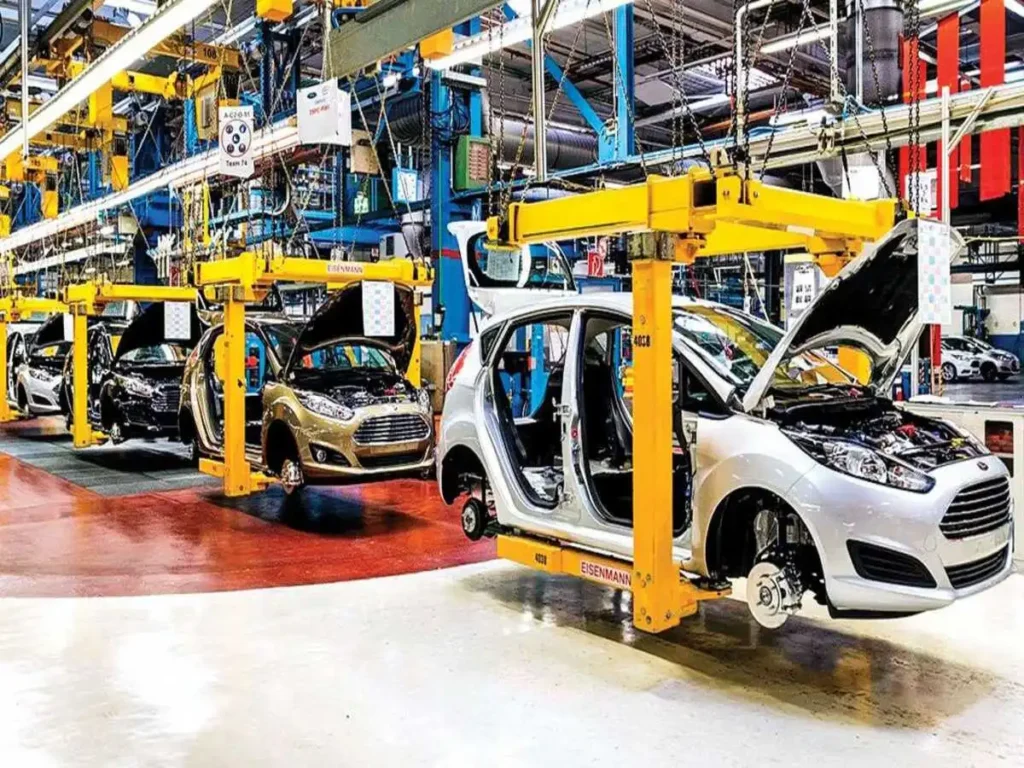
The auto sector accounts for more than 7% of India’s GDP and is responsible for creating a large number of jobs both directly and indirectly. Despite this, increasing input prices, regulatory shifts, and muted demand had been posing problems for manufacturers as well as purchasers. The government’s move to reduce GST on automobiles, SUVs, and two-wheelers is being welcomed as a policy intervention that is of instant benefit.
For example:
Lower car prices: Lower GST takes direct form of cheaper ex-showroom prices, which means cars and bikes become cheaper.
Improved consumer demand: Indian consumers being price-sensitive, are likely to revisit postponed buying decisions.
Industry pickup: Ranging from big players such as Tata Motors and Maruti Suzuki to two-wheeler majors such as Hero MotoCorp, all segments are expected to gain.
Impact on Various Segments
Passenger Vehicles and SUVs
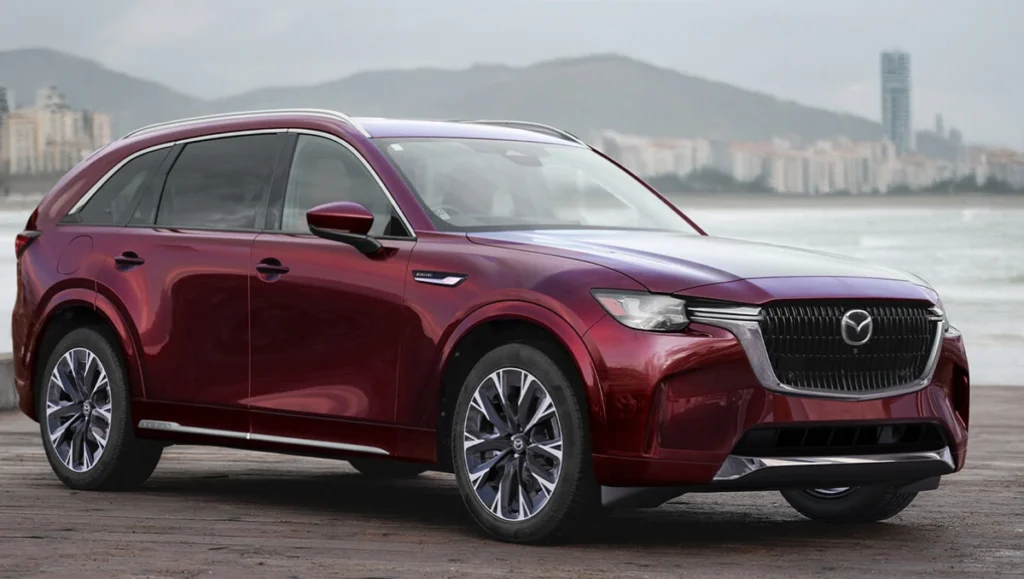
Sales of passenger cars have been slow because of high cost of ownership and increasing fuel prices. Sedans, hatchbacks, and SUVs will be better priced with the reduction in GST. This should persuade middle-class households and first-time car owners to return to the market.
Two-Wheelers
Two-wheelers are the spine of Indian mobility, especially in semi-urban and rural areas. The eased tax burden will provide the much-needed respite for first-time buyers of bikes and scooters, driving volumes upwards for players like TVS, Bajaj, and Honda.
Electric Vehicles (EVs)
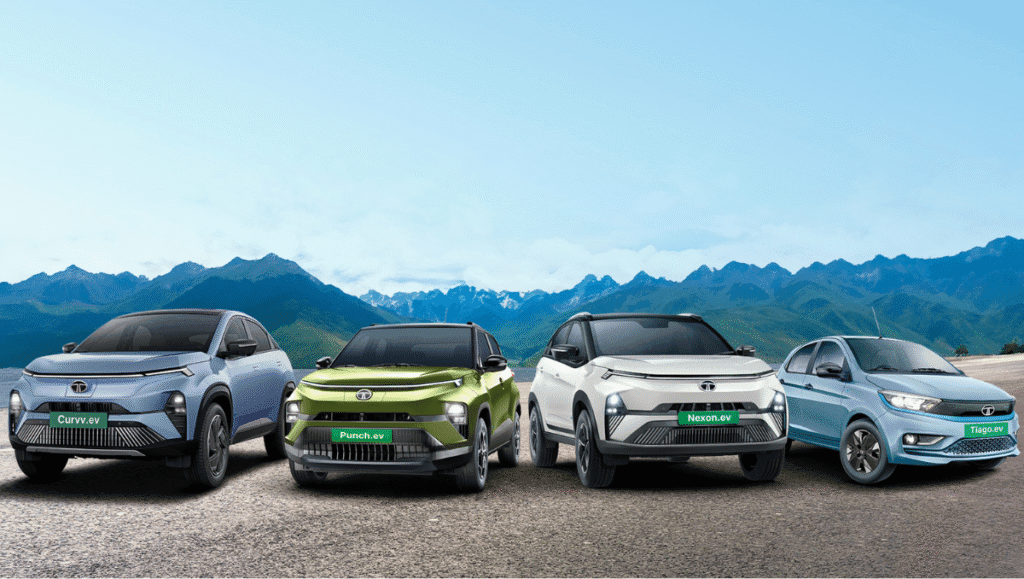
The government has already been encouraging EVs with reduced GST rates in relation to petrol and diesel cars. The new across-the-board GST cuts might indirectly benefit EV uptake as price comparisons favor new-generation mobility solutions. Automakers are set to drive EV-friendly campaigns to leverage this atmosphere.
Major car makers have received the reform with open arms. Experts say this is not only a reduction in taxes—it is a confidence booster. Car retailers, who have been grappling with stalled sales, hope for quicker turnover now. The industry commentators feel that the step will attract foreign funds as well, as India becomes an even better place to make cars.
Consumer Benefits
From the buyers’ point of view, GST reduction translates to instant cost reductions. For instance, a ₹10 lakh car previously may now cost ₹40,000–₹60,000 less, depending upon the segment. This direct advantage evokes quicker buying decisions and introduces upper segments to middle-class buyers.
Long-Term Implications
Although short-term demand is certainly bound to pick up, long-term implications are no less significant. The reduction in GST may pave the way for:
Creating jobs: Increased sales translate to greater job opportunities in manufacturing, dealerships, and ancillary industries.
Improved exports: India’s cost advantage can enable it to attract foreign buyers.
Sustainable growth: Combined with EV incentives, this reform has the potential to drive India faster towards cleaner mobility.
Expert Opinion
Automotive sector specialists highlight that the government needs to complement such tax relief with encouraging policies in infrastructure, EV charging stations, and raw material prices. Then, and only then, can the sector achieve growth and accommodate ecological concerns.
The GST reduction announced recently is not merely an economic stimulus—it’s a lifeline for India’s automotive industry. By reducing the cost of vehicles and increasing consumer confidence, this policy initiative can spur growth, create new jobs, and reinforce India’s position as an automotive global hub. For consumers, this is the ideal moment to transition to a new car. For the sector, it is a new dawn of hope that guarantees a better future.