Jaguar F-Pace Production Ends After 10 Years as Jaguar Closes Its Combustion Era
Jaguar F-Pace production ends after 10 years, and that simple wording quietly draws a line under one of Jaguar’s most important modern chapters. The F-Pace was never just another model in waiting for the brand worldwide then. This was the vehicle that pulled Jaguar into the premium SUV space while global demand was rising fast. When the final F-Pace left Solihull, it closed a combustion chapter and nudged Jaguar toward a future that feels uncertain, rough in spots, yet still ambitious by design.
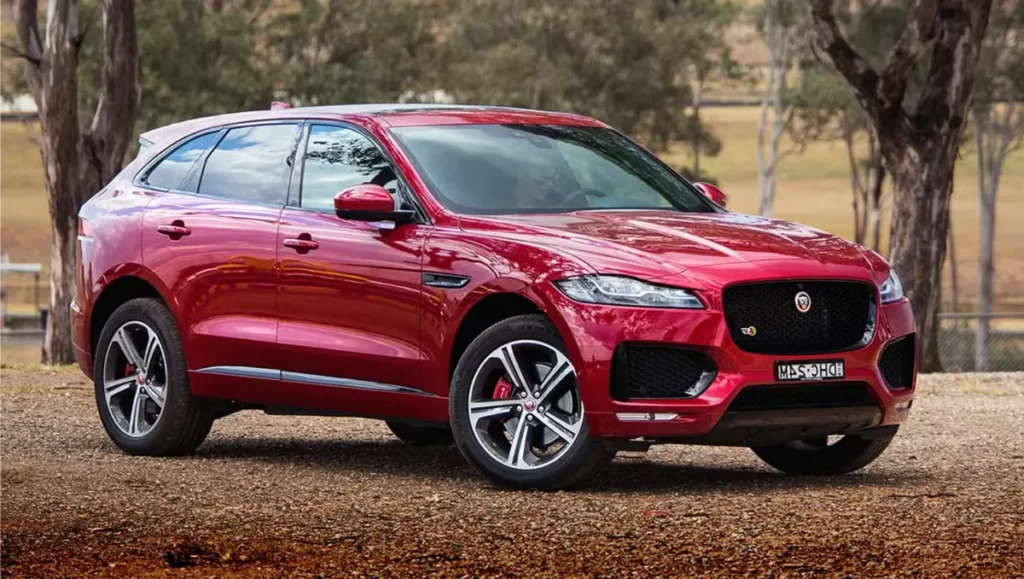
A decade back, Jaguar stayed known for sedans and sports cars, and the company needed something new, practical, and global to move ahead. The F-Pace became that answer. Its success reshaped Jaguar’s business strategy and changed how the brand was perceived in key markets. Now, with production complete, the impact of its departure feels larger than many expected.
How the Jaguar F-Pace Changed the Brand
The F-Pace appearing in 2016 marked a genuine risk. An SUV was outside its comfort zone, and purists made that clear. Buyers didn’t seem to care. They wanted Jaguar style with everyday usability, nothing extreme. The F-Pace hit that middle ground and, before long, became Jaguar’s strongest seller across global markets.
The F-Pace helped Jaguar find customers beyond its usual base, people who would never choose an XF or XJ. Families responded, commuters followed, new luxury buyers arrived. That change helped Jaguar keep sales from falling too far as sedans across the industry lost ground year by year.
For Jaguar dealers, the F-Pace became the backbone of showroom traffic. In many regions, it accounted for a significant share of annual sales. Losing it is not just a product change. It is a structural shift in how the brand connects with buyers.
Why Jaguar F-Pace Production Ends after 10 Years
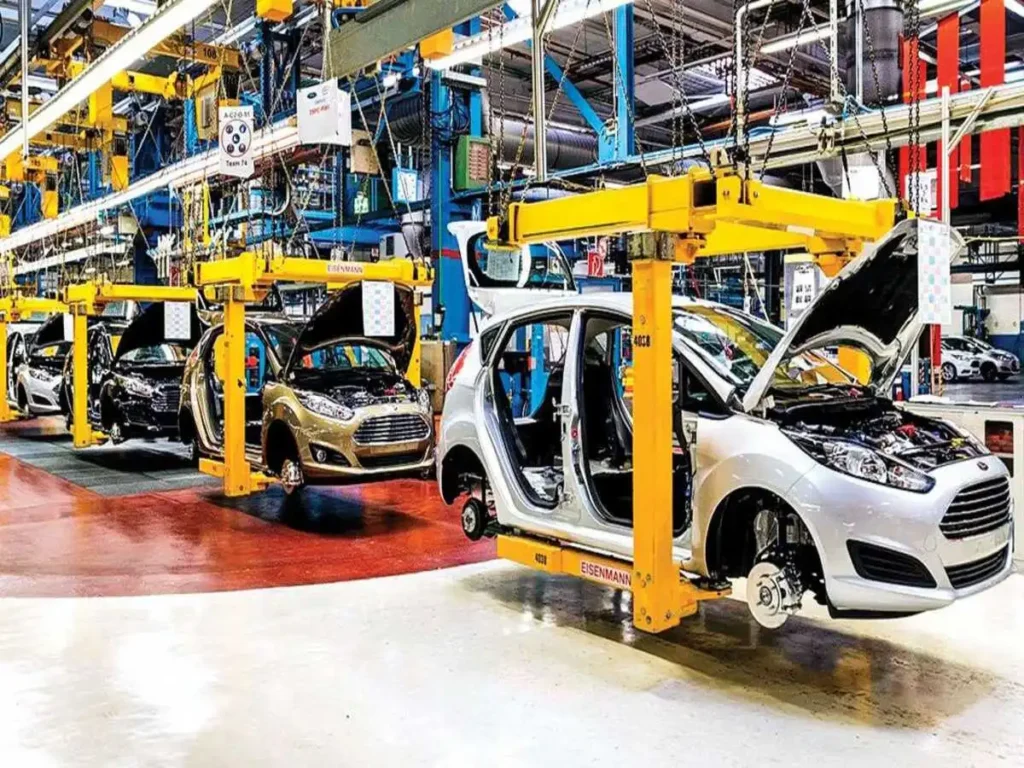
Jaguar F-Pace Production Ends after 10 Years, it signals the conclusion of Jaguar’s petrol and diesel manufacturing, at least for now. The last F-Pace to come out of Solihull is widely viewed as Jaguar’s final petrol-era car, a small moment, quietly significant.
The last unit was not sent to a dealership. Instead, it was retained for preservation, underscoring its importance in Jaguar’s timeline. Automakers rarely highlight the end of combustion so openly, but Jaguar’s strategy makes this moment unavoidable. The company has chosen a clean break rather than a slow fade.
Production ended quietly, without a special edition or public ceremony. That low-key ending reflects the realities Jaguar has faced this year, including operational disruptions and shifting product timelines. Even so, the meaning remains clear. The F-Pace chapter is closed.
Why Jaguar Is Moving On
The decision to stop F-Pace production fits directly with Jaguar’s future electric plans. The company has decided to go fully electric and move the brand further upmarket over time. Keeping older platforms around no longer really fits that thinking, especially now, with emissions rules tightening and pressure from regulators steadily increasing across regions.
The changeover proved messy. Early year production disruptions tangled schedules, pushed electric launches back, and hastened decisions to shelve combustion models rather than extend programs already underway across plants worldwide at scale during that phase.
From a business perspective, investing further in petrol or diesel updates made little sense. The F-Pace platform had reached maturity, and adapting it for future regulations would have required significant resources. Jaguar chose to redirect those efforts toward new electric architectures instead.
What This Means for Owners
For existing F-Pace owners, the shutdown of production does not affect things straight away. Jaguar has confirmed service support, parts access, and warranties remain. The company understands that thousands of F-Pace vehicles remain on the road worldwide and will be maintained for years to come.
However, resale values and collector interest may shift over time. As the final combustion Jaguar SUV, the F-Pace could gain long-term significance among enthusiasts. That status will depend on how successful Jaguar’s electric future turns out to be.
Owners may also notice subtle changes at dealerships as showrooms prepare for a different product mix. The familiar balance of SUVs and sedans will give way to concept-driven displays focused on upcoming electric models.
The Bigger Picture for Jaguar
The end of the F-Pace leaves Jaguar without a volume product in the short term. The gap exists because Jaguar chose it that way, despite the risk involved. The plan relies on electric models earning higher margins and reshaping the brand instead of chasing volume.
So far, only hints have appeared, pointing toward electric cars built around design, performance, and exclusivity. Details are still thin, timelines have moved, but the overall direction feels settled now. The brand wants distance from mainstream luxury competitors and prefers to stand out as a distinctive electric option.
Whether that strategy succeeds will depend on execution. The goodwill built by the F-Pace bought Jaguar time and relevance. Replacing that trust with entirely new products is a challenge few brands manage easily.
Conclusion
Jaguar F-Pace production ends after 10 years, and suddenly a long, important stretch of Jaguar’s story is just over. The F-Pace showed the company could change plans, compete seriously, and keep going while the market kept turning. It carried the brand through a decade of transition and left behind the foundation for what comes next.
As Jaguar moves into an electric-only era, the F-Pace disappearing will leave gaps that people notice, in showrooms, on familiar roads, and in the kind of conversations car fans keep having. Whether this becomes a defining turning point or a mistake depends on what Jaguar brings next. For now, the F-Pace remains the SUV that changed everything, until the very end.
FAQs – Jaguar F-Pace production ends after 10 years
FAQ 1: Why did Jaguar stop producing the F-Pace after 10 years?
Jaguar ended F-Pace production as part of its move toward becoming an all-electric brand. Keeping older petrol and diesel platforms no longer fits that long-term direction, especially with tightening emissions rules.
FAQ 2: When was the last Jaguar F-Pace built?
The final F-Pace was built at Jaguar’s Solihull plant. Production ended quietly, without a special edition or public ceremony, marking the close of Jaguar’s combustion era.
FAQ 3: Was the Jaguar F-Pace an important model for the brand?
Yes. The F-Pace was one of Jaguar’s most important modern vehicles. It helped the brand enter the premium SUV market and became its strongest seller in many global regions.
FAQ 4: Is the F-Pace really Jaguar’s last petrol or diesel vehicle?
The final F-Pace is widely viewed as Jaguar’s last petrol-era car. Jaguar plans to move fully into electric vehicles going forward.
FAQ 5: Will Jaguar still support existing F-Pace owners?
Yes. Jaguar has confirmed that servicing, parts availability, and warranties will continue. Owners are not expected to see immediate changes after production ends.
FAQ 6: Will F-Pace resale values change now that production has stopped?
Resale values may shift over time. Some buyers may see the F-Pace as more collectible since it is Jaguar’s final combustion SUV, but that will depend on market demand.
FAQ 7: Why didn’t Jaguar launch a final special edition of the F-Pace?
Jaguar chose a clean and quiet ending instead of a celebratory send-off. This reflects the brand’s broader transition challenges and its focus on future electric models.
FAQ 8: What replaces the F-Pace in Jaguar’s lineup?
Jaguar does not plan a direct petrol replacement. Future electric models are expected to take its place in a different way, focusing on design, performance, and exclusivity.
FAQ 9: Does Jaguar still have SUVs planned for the future?
Jaguar has hinted at future electric vehicles, which may include SUV-style models. Details remain limited, and timelines have shifted, but the direction toward premium electric vehicles is clear.
FAQ 10: Why is Jaguar willing to risk losing a popular model like the F-Pace?
Jaguar believes higher-margin electric vehicles can reshape the brand long term. The company is choosing positioning and exclusivity over chasing mass-market sales, even though the move carries risk.
—