Jaguar Land Rover Confirms Data Breach Following Cyber attack, Production Affected
Jaguar Land Rover Confirms Cyberattack and Data Breach – Jaguar Land Rover (JLR), the prestigious British luxury vehicle maker owned by Tata Motors, has confirmed that a recent hack-in has not only caused its manufacturing to go awry but also stolen “some data.” The breach, which occurred on September 2, 2025, reflects the increasing menace of cybercrime in the automotive industry as businesses increasingly turn to sophisticated digital systems to handle global operations.
For JLR, with a global workforce of over 39,000 and generating revenues of over \\$38 billion in annual revenues, the breach has been serious. Apart from shutting down production, it has also implicated data security, customer confidence, and vulnerability due to digitization.
Production Impact and Initial Response
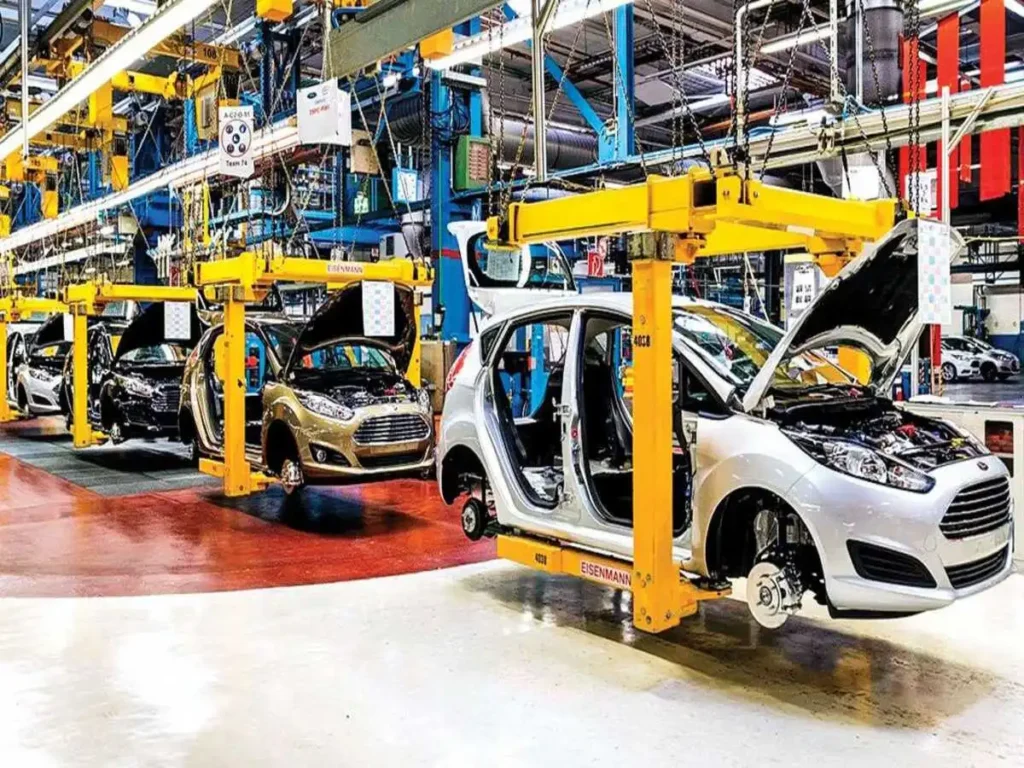
The attack compelled JLR to briefly close down key IT systems at its operations worldwide. In others, workers were even told not to go to work, highlighting the extent of the disruption. Production lines at UK plants and other overseas factories were disrupted, pushing back manufacturing schedules and affecting supply chains.
Speaking publicly, JLR stated:
Since we learned of the cyber incident, we have been running around the clock, with third-party cyber security experts, to restart our worldwide applications under controlled and secure conditions.”
This statement indicates the automaker’s emphasis on striking a balance between speedy recovery and security. By resuming systems in phases, the automaker seeks to avert additional risks while ensuring that production re-resumes safely.
The Data Breach: What We Know
JLR has verified that the intruders gained access to “some data” from its networks, but it would not state the type of information that had been stolen. It did stress that, to date, there has not been any verified effect on customer data. Investigations continue, and JLR has committed to notifying relevant people if personal or sensitive information is found to have leaked.
The firm has already notified regulators of the breach, as is required in UK and EU data protection legislation. It is also working closely with the UK National Cyber Security Centre (NCSC) and outside forensic experts to identify the extent of the attack.
Hackers Claim Responsibility
Though JLR has not directly linked the attack to any specific cybercrime group, a hacker group that referred to itself as “Scattered Lapsus\$$ Hunters” took responsibility for the attack on social media. The group even uploaded pictures that purportedly indicate access into JLR’s internal environment. The group threatened to spread ransomware if demands were not fulfilled.
Cybersecurity experts have associated members of this group with other prominent hacker groups like Lapsus$, Scattered Spider, and ShinyHunters. These groups specialize in extortion-based cyberattacks on international technology companies and have gained a reputation for pushing big multinational organizations aggressively.
If the reports are true, the JLR attack would be consistent with financially driven cybercrime targeted at disrupting key business operations while coercing firms into ransom payments.
Why Automakers Are a Desirable Target
The JLR case is not an isolated one: the car industry as a whole is becoming a prime target for attackers. Contemporary car manufacturers rely on a complex network of IT infrastructure, supply chain software, connected car technology, and cloud-based platforms to operate.
This reliance on digital systems exposes automakers to a variety of threats:
- Risks of Production: Ransom demands or IT shutdowns can bring manufacturing to a standstill, resulting in enormous financial losses.
- Exposure of Customer Data: Automakers gather and store huge amounts of customer data, which makes them attractive targets to steal.
- Connected Vehicles: With cars getting smarter and more connected to the internet, cyber attackers see new avenues of entry.
- Regulatory Risks: With data breaches come tighter government scrutiny, with additional legal and reputational costs.
With growing cyber threats in most industries, car manufacturers such as JLR are also waking up to the fact that cybersecurity is no longer an IT problem but a business imperative.
The Stakes for JLR
For JLR, the break is particularly inopportune. The company has been investing to increase its electric vehicle offerings, enhance global supply chains, and reinforce its luxury positioning for Tata Motors. A sustained disruption would impact manufacturing timetables and push back deliveries, which may dent customer confidence.
Also, any disclosure of leaked partner or customer information would result in legal ramifications and long-lasting reputation loss. Luxury brands especially bank on trust and scarcity — elements that can be destroyed by a significant data leak.
Industry observers note that the incident may prompt JLR to ramp up its investment in cybersecurity, both in its IT infrastructure and in its connected car technology. The company will also have to assure customers and partners that their data is secure and production stability is being regained.
The Road Ahead: Recovery and Lessons
JLR has emphasized that its systems are being restored safely and incrementally. Production, though impacted, takes a backseat as the company seeks to avoid any further intrusions. It has also assured stakeholders that it will continue to inform regulators, staff, and customers as the investigation unfolds.
The carmaker’s cautious messaging — owning up to data theft while refusing to speculate on scope — is a sign of increased industry awareness about the importance of transparency. Hiding or playing down cyber attacks can lead to regulatory pushback and loss of consumer trust.
The larger takeaway from this incident is obvious: as carmakers go increasingly digital-first, their cybersecurity defenses have to keep pace as aggressively as their product offerings. On factory floors and in connected cars, every digital touchpoint is an opportunity for hackers.
The hack on Jaguar Land Rover highlights the imperative of cybersecurity in today’s automotive world. It is a grim reminder that even international giants with deep pockets are not safe from cyberattacks. For JLR, the priority now is to get production back on track and to determine the extent of the breach. For the industry overall, the attack is a wake-up call to invest in more robust defenses, more robust systems, and clear communication strategies.
As investigations are ongoing, the hope remains that JLR will come out of this crisis even stronger, with better cybersecurity habits. Currently, the attack serves to underscore a reality that all automakers will have to face: in the age of digital, the fight for consumer trust is not just on roads and dealerships but in cyberspace as well.
—