Mahindra Launches Ultra-Fast Vehicle Charging Stations Across India with New Highway Network Rollout
Mahindra launches ultra-fast vehicle charging stations and this step marks a noticeable shift in how electric vehicle infrastructure is developing in India. For many years, electric car adoption was slowed by two major concerns: slow charging speeds and limited charging access beyond city limits. With Mahindra launches ultra-fast vehicle charging stations now active on major highways, that concern is becoming less intense.
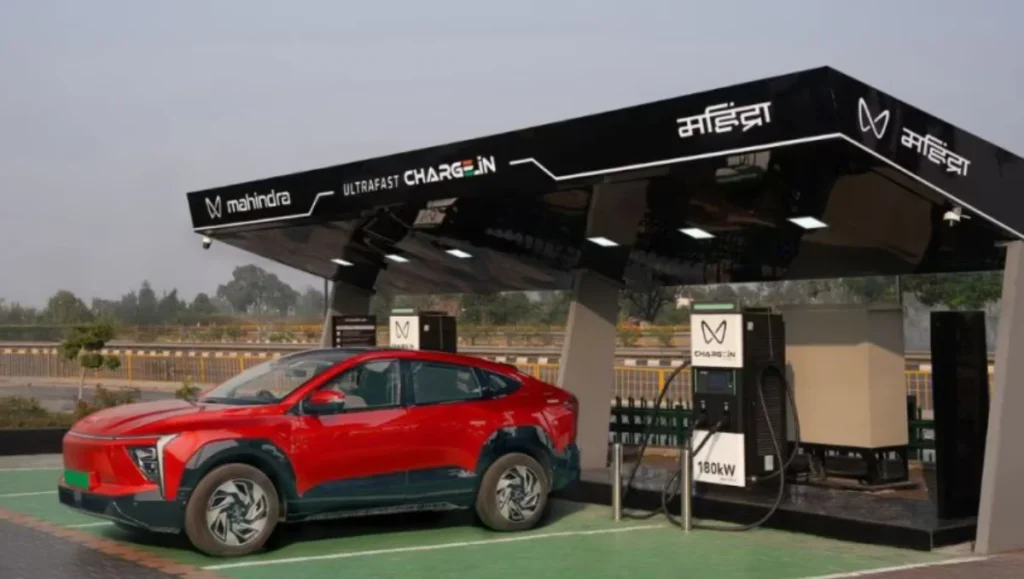
This move is not limited to premium cities or showroom showcases. Real charging units have been installed at highway locations where people actually travel. That practical approach is what makes this development stand out. It connects electric mobility to real-life driving conditions rather than just ideal scenarios.
Operational Charging Locations Now Active
As of now, the company has brought two ultra-fast highway charging sites online under its Charge IN network. These stations are functioning and usable by electric vehicle owners.
- One station is located in Hoskote, positioned on the NH 75 corridor along the Bengaluru to Chennai route.
- Another station is located in Murthal, positioned on the NH 44 highway, around fifty kilometres from Delhi.
These locations sit on routes that see heavy daily traffic and long-distance movement. This placement shows that Mahindra launches ultra-fast vehicle charging stations is aligned with how people actually travel.
Each of these sites uses high-capacity 180 kW chargers. These chargers are designed with dual-gun systems, allowing multiple vehicles to charge at the same time. In practical terms, this reduces waiting queues and makes charging stops more manageable for highway travellers.
Why These Charging Stations Feel Different in Real Use
The charging speed is the biggest functional difference. Traditional public chargers take longer and are often suited only for city use or overnight charging. The ultra-fast units installed here are built to reduce charging downtime and make charging stops feel closer to a fuel stop than a long rest break.
Actual charging time varies by vehicle battery size and charging compatibility. However, the experience is designed to be smooth enough that EV drivers can plan long highway journeys with more confidence.
Mahindra Launches Ultra-Fast Vehicle Charging Stations as Part of a Long-Term Buildout
Mahindra launches ultra-fast vehicle charging stations as part of a wider plan focused on long-term infrastructure growth rather than short-term marketing visibility.
The company has laid out a roadmap that includes the installation of around two hundred and fifty charging stations by the end of the year twenty twenty seven. Across these sites, more than one thousand charging points are planned to be deployed. This gives a sense of the scale at which the network is intended to grow over the next few years.
While the overall station and charging point targets are laid out, the exact distribution across states and highways is still evolving. The deployment strategy is phased and depends on traffic density, travel demand and regional infrastructure readiness.
How This Development Affects Everyday EV Users
For regular electric vehicle users, this initiative changes the way long drives are mentally approached. Earlier, road trips in EVs often involved stress, constant battery checks and route anxiety. With Mahindra launches ultra-fast vehicle charging stations, the psychology shifts.
Drivers can plan their trips with more flexibility. Charging stops become part of normal travel planning rather than emergency events. Families who use electric vehicles can now consider longer routes with greater confidence.
This also supports buyers who were previously hesitant to move from petrol or diesel due to charging limitations. With major highways now supported by functioning fast chargers, the ownership experience becomes more realistic.
Benefits for Commercial Fleets and Business Users
The impact extends beyond personal use. Logistics companies, intercity transport services and electric fleet operators benefit directly.
Faster charging means less vehicle downtime. Less downtime means higher asset utilisation. When Mahindra launches ultra-fast vehicle charging stations, it supports faster turnaround times for commercial EVs, making electric mobility more viable from a business standpoint.
This also creates indirect economic activity. Rest stops, food outlets and service areas near these charging hubs may see increased customer footfall as drivers stop during charging breaks.
What Is Still Evolving In the Rollout
While the foundation is now visible, some parts of the network are still in progress:
- The full list of upcoming station locations has not been publicly released yet.
- Pricing models per charging session are expected to vary by region and power tariff structures.
- Access methods such as app-based booking, card systems or open access are still being refined.
- These elements are part of natural infrastructure expansion and typically stabilize as usage scales.
How Buyers Can Use These Stations Practically
EV owners looking to rely on these stations can follow a few practical habits:
- Check station availability through navigation platforms before long trips
- Keep backup charging options in mind in remote stretches
- Understand their car’s connector and charging capacity
- Avoid peak congestion timings for smoother charging sessions
This balanced approach makes the ownership experience smoother while the ecosystem continues to expand.
What This Signals for India’s Electric Future
Mahindra launches ultra-fast vehicle charging stations is not just a technical project. It signals behavioural change. More people will begin to view electric vehicles as practical daily tools rather than experimental products.
Large manufacturers investing in infrastructure encourage other companies to follow. This creates a more competitive and developed ecosystem over time.
In the coming years, highway charging could become as common as fuel refuelling stops, changing how future road trips are planned.
Final Thoughts
Mahindra launches ultra-fast vehicle charging stations marks a visible step forward for electric vehicle infrastructure in India. With live highway installations, high-capacity chargers and a structured expansion roadmap, this initiative shifts electric mobility from aspiration to real-world usability.
It shortens charging times, improves route confidence and makes long-distance electric travel far more achievable. For anyone considering the shift to electric vehicles, infrastructure like this reduces hesitation and increases practical usability.
This is not only about faster charging. It is about making electric vehicle ownership simple, dependable and aligned with everyday driving reality.
FAQs – Mahindra launches ultra-fast vehicle charging stations
1: Where have the new Mahindra charging stations started operating?
Right now, the first two stations are running on busy highway stretches. One is on the Bengaluru–Chennai route near Hoskote, and the other is at Murthal on the Delhi–Chandigarh side. Both are locations people frequently drive through.
2: How fast are the chargers at these new stations?
These stations use high-output chargers that are meant to cut down waiting time. The idea is to plug in, take a short break and get back on the road without sitting around for hours.
3: Can different EV brands use these stations?
Most modern electric cars that follow common charging standards should be able to charge here. Still, each EV owner should check their connector type to avoid a mismatch.
4: Are these stations mainly for city drivers or highway travelers?
The setup at the moment is clearly aimed at highway users. These are meant for people who travel long distances and need a quick energy stop between cities.
5: Do these charging points get crowded?
It depends on when you visit. Since each site has multiple charging guns, the rush is usually manageable, but busy weekends or holiday seasons may still see more cars stopping by.
6: Is the charging cost uniform across all stations?
The pricing may vary from one location to another. Charging rates often depend on regional electricity tariffs, so it’s better to check through the app or station display before starting a session.
7: Will there be more stations in smaller cities?
The long-term rollout plans point toward expansion across many regions, including non-metro areas. The placement depends on traffic flow, demand and local readiness for EV infrastructure.
8: Do I need an app to start charging my car there?
Some stations may require an app or a digital payment method, while others might offer tap-and-pay or direct screen-based payment. The system is still being refined, so it’s best to keep the app handy.
9: How reliable are these chargers during long trips?
The new stations are built with highway travel in mind, so they’re designed to be dependable. Still, checking availability on the map before you start a long journey is always a smart habit.
10: Should I plan my EV purchase based on this new network?
If you drive intercity often, this new network definitely makes owning an EV easier. It reduces a lot of the worry about finding a fast charger on the way, especially for people who enjoy long drives.
—