Maruti Suzuki Sales up 26% YoY in November Marking a Record Month for the Brand
Maruti Suzuki sales up 26% YoY in November, and those numbers really tell a story. In November 2025, Maruti Suzuki India (MSI) recorded its highest-ever monthly sales, dispatching a total of 2, 29,021 units. That’s a big jump from the 1, 81,531 units sold in November 2024.
Here’s what those numbers really mean, and why buyers, analysts and industry-watchers are paying attention.
Maruti Suzuki sales up 26% YoY in November
The strength in November wasn’t isolated to one corner of the lineup. Passenger vehicle sales to dealers rose sharply — 1, 70,971 units compared to 1, 41,312 units a year ago, a 21% increase.
Breakdown by segment shows widespread demand:
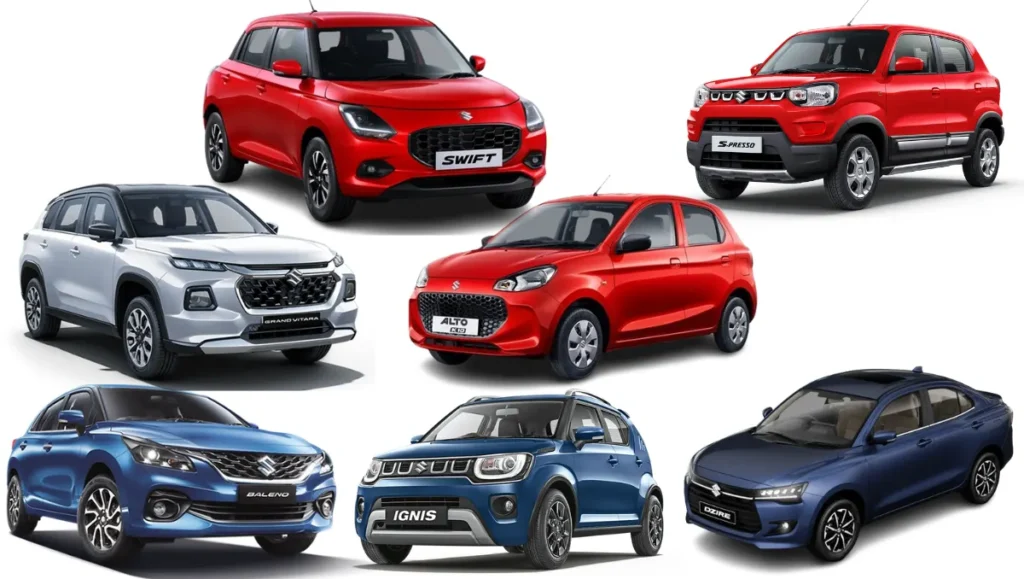
- Mini cars (Alto and S-Presso) hit 12,347 units, up from 9,750 last November, a sizable rise in the entry-level category.
- Compact cars (Baleno, Swift, Dzire, Ignis etc.) posted strong numbers at 72,926 units, up from 61,373.
- Utility vehicles — SUVs and MPVs including Brezza, Grand Vitara, Ertiga, XL6 — clocked 72,498 units, up significantly from ~59,003 last year.
- Even Light Commercial Vehicles and vans (like Super Carry and Eeco) saw gains, reflecting demand for practical, family and business-oriented mobility.
Exports also had a strong month. MSI sent out 46,057 units overseas — the highest monthly export tally in recent memory, contributing to overall sales traction.
What it Signals for Maruti and the Market
Why this rapid jump matters — a few takeaways:
- This performance underscores that demand remains healthy across price ranges — from budget hatchbacks to SUVs. That’s good for Maruti’s sales volume and broad-based appeal.
- For a company long known for dominating small- and mid-segment cars, this month shows it’s still able to sell large numbers even when SUVs and lifestyle preferences are rising.
- The healthy export figures suggest Maruti isn’t just banking on India demand — global markets are absorbing more cars than before. That’s smart diversification.
- For the broader automotive industry, this robust November indicates consumer confidence remains high, supply-chain issues are easing, and end-of-year demand (festive or holiday-linked) is still paying off.
What Drove This Growth
There are a few likely contributors that helped push volumes up:
- Seasonal demand: Post-festive buying patterns tend to boost sales in November and December as families finalize purchases.
- Strong demand across all segments, from entry-level cars to SUVs — which suggests Maruti’s wide catalog is helping it catch buyers across income and use-case segments.
- Pent-up demand and supply-side recovery — after periodic supply chain hiccups industry-wide, things seem to be stabilizing, allowing better deliveries.
- Export growth — improved global demand seems to help buffer domestic fluctuations.
Why This Matters for Buyers, Not Just Numbers
If you’re considering buying a new car soon, this surge for Maruti offers a few reassuring signs:
- Better choice — with high sales across segments, dealers are more likely to have stock, reducing wait times compared to quieter months.
- Attractive deals — to convert strong demand to actual purchases, dealers sometimes offer promotions or easier financing after record dispatches, which could mean good value for buyers.
- Confidence in support and spare parts — a company selling in volume tends to maintain better after-sales support and parts availability, which is always useful for long-term ownership.
For auto-watchers, the numbers hint that small and mid-sized cars remain popular despite the global push toward EVs and premium SUVs — at least for now, in India.
What to Watch Next
Make a note of these for the coming months:
- Will Maruti maintain this growth in December or will demand drop post-festive season?
- How will waiting periods and delivery times pan out in the face of rising bookings?
- Will exports continue to rise — and if so, which markets are driving the demand?
- How will rivals respond? Price cuts, new models from other manufacturers could shake up market dynamics.
Takeaways
Maruti Suzuki sales up 26% YoY in November — that’s not just a headline, it’s a solid confirmation that the carmaker’s formula still works: wide range, consistent quality, and strong demand across segments.
The jump to 2,29,021 units with gains in entry-level cars, compacts, SUVs, and even exports shows Maruti remains relevant to a broad buyer base. As the Indian auto market heads towards year-end and holiday buying, this month’s performance offers a snapshot of what strong demand — combined with proper supply — can achieve.
If you’re car shopping or simply watching trends, this one is worth noting.
FAQs – Maruti Suzuki Sales up 26% YoY in November
FAQ 1: What’s the main reason behind Maruti Suzuki’s sales jumping 26% this November?
There isn’t just one neat reason, honestly. A bunch of things came together — festive leftovers, better stock at showrooms, and just strong interest across most price brackets. It’s one of those months where everything clicked at the same time.
FAQ 2: Which part of Maruti’s lineup actually pushed the numbers up the most?
If you look at the breakdown, the compact cars and the SUVs did a lot of lifting. Baleno, Swift, Brezza, Grand Vitara — those models kept moving fast. But smaller cars weren’t quiet either, which is interesting these days.
FAQ 3: Did the entry-level models really improve, or was it just a small bump?
They did better than many expected. Alto and S-Presso together moved over twelve thousand units, which is more than last year’s number. For a segment that’s been a bit slow, that’s actually pretty solid.
FAQ 4: Are exports becoming a bigger deal for Maruti now?
Looks like it. Sending out more than forty six thousand units in one month is no small thing. It basically shows that Maruti isn’t relying only on the Indian buyer anymore and that overseas markets are picking up its cars too.
FAQ 5: Will this rise in dispatches help cut down waiting times?
In a lot of cases, yes. More stock usually means shorter queues. It depends on the model, of course — some SUVs always tend to be booked ahead — but overall, things should move faster than they did a few months back.
FAQ 6: Is Maruti shifting towards SUVs more seriously now?
It definitely feels that way. Just look at the numbers. The SUV and MPV bunch added more than seventy two thousand units. That’s not small talk — it shows Maruti is putting real weight behind this segment now.
FAQ 7: Do you think this growth will continue, or is it just seasonal?
Hard to say without guessing. November always rides the festive wave a bit, so it might soften later. December and January should give a clearer picture on whether this run has legs or not.
FAQ 8: What does this sales jump mean for someone planning to buy a Maruti right now?
It’s actually a good time. Dealers generally get more aggressive with offers when they’re moving stock quickly. Plus, when supply is steady, you don’t end up waiting ages for a car. So buyers get a bit of an advantage.
FAQ 9: How does this month compare to what Maruti did last year?
The difference is pretty huge. From around one lakh eighty one thousand units last November to a little over two lakh twenty nine thousand this time. That’s a big step up, whichever way you look at it.
FAQ 10: Why is this number important for the wider car market in India?
Maruti still sets the tone for the whole industry. If its numbers are strong, it usually means people are spending, the markets feel stable, and the supply issues we kept hearing about are easing. It’s kind of a health check for the whole auto scene.
—