Nissan launches Kait in Brazil with Updated Styling and Modern Features
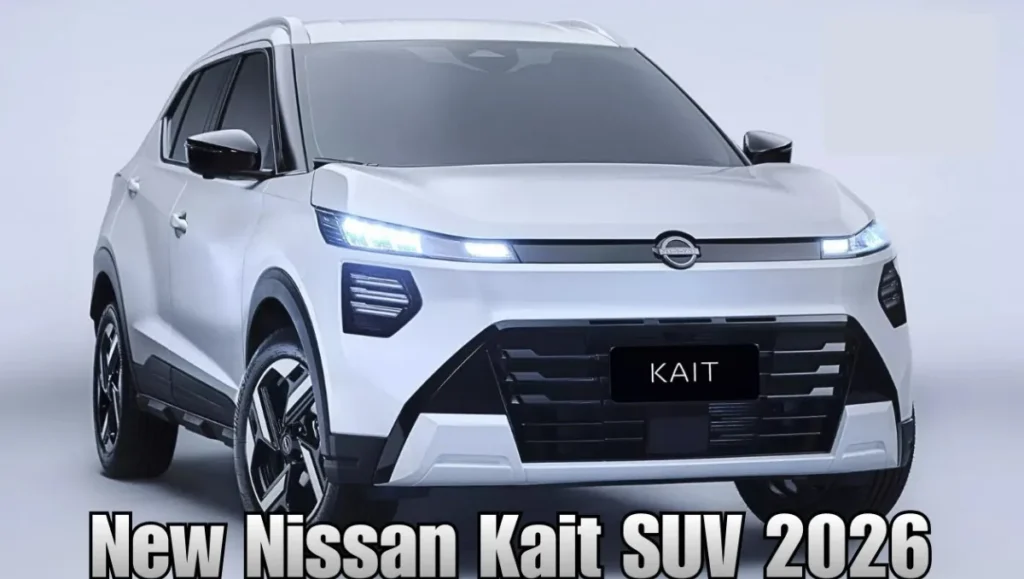
The automotive world is buzzing as Nissan launches Kait in Brazil, marking a significant milestone for the Japanese automaker’s Latin-American ambitions. The new Nissan Kait has been officially unveiled, and it aims to refresh Nissan’s compact SUV lineup with updated styling, modern features, and renewed value for money.
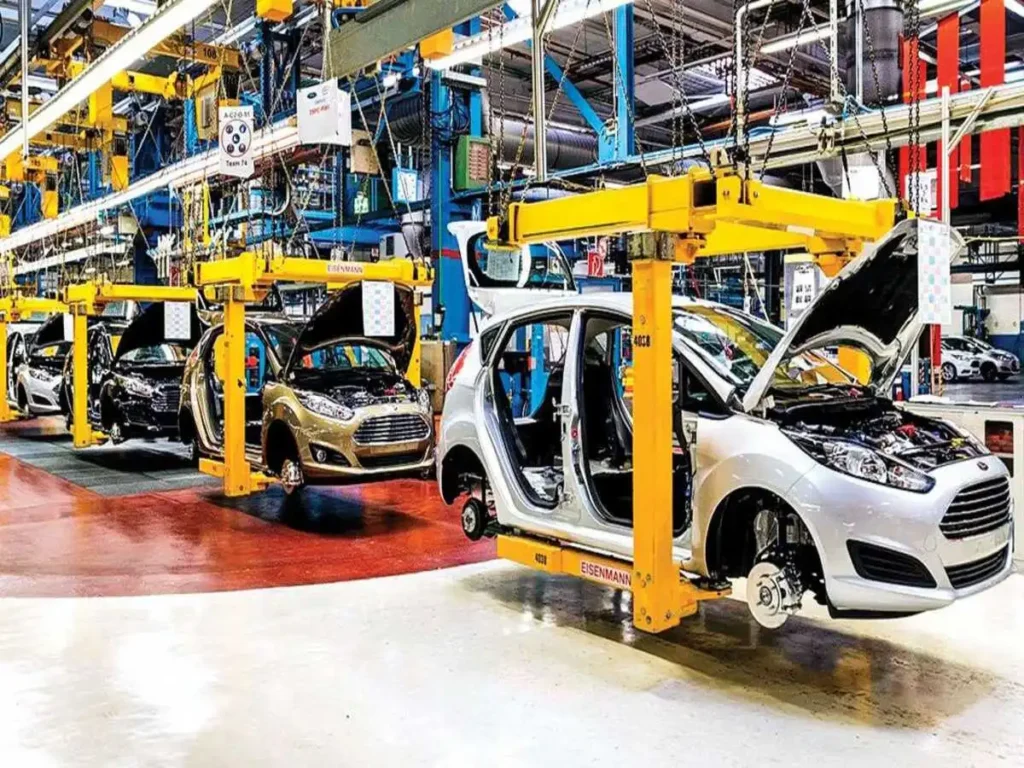
Nissan has confirmed that production of the Kait will begin at the Resende plant in Rio de Janeiro, Brazil — a facility already familiar with SUV production under the brand.
This launch underlines how the automaker is doubling down on its investment in Latin American markets, with Kait being a key pillar in that strategy.
What the Nissan Kait offers: Design, Engine and Positioning
The Kia brings a number of updates — both inside and out — while retaining structural underpinnings familiar to Nissan’s compact-SUV lineup.
Design & Size
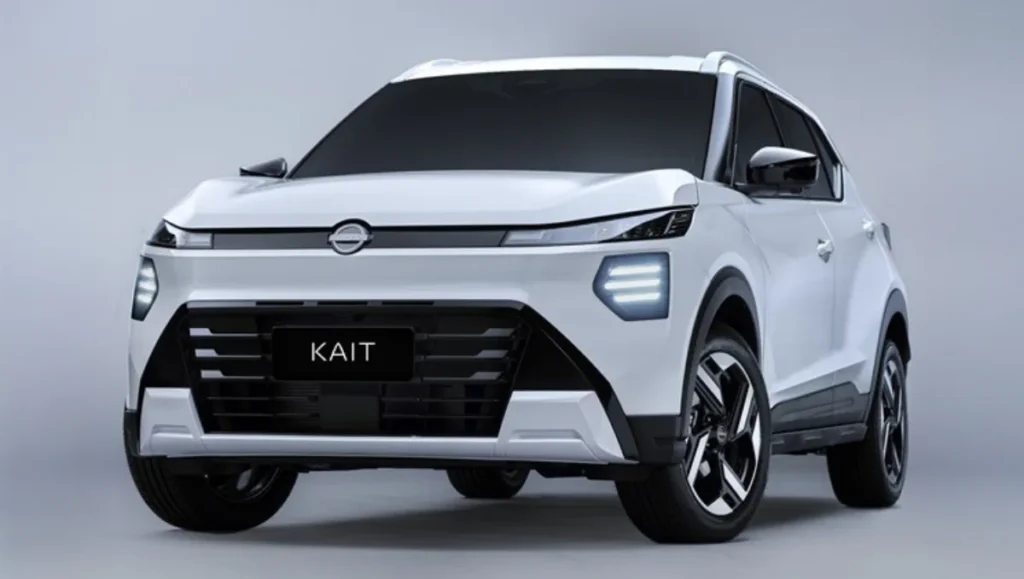
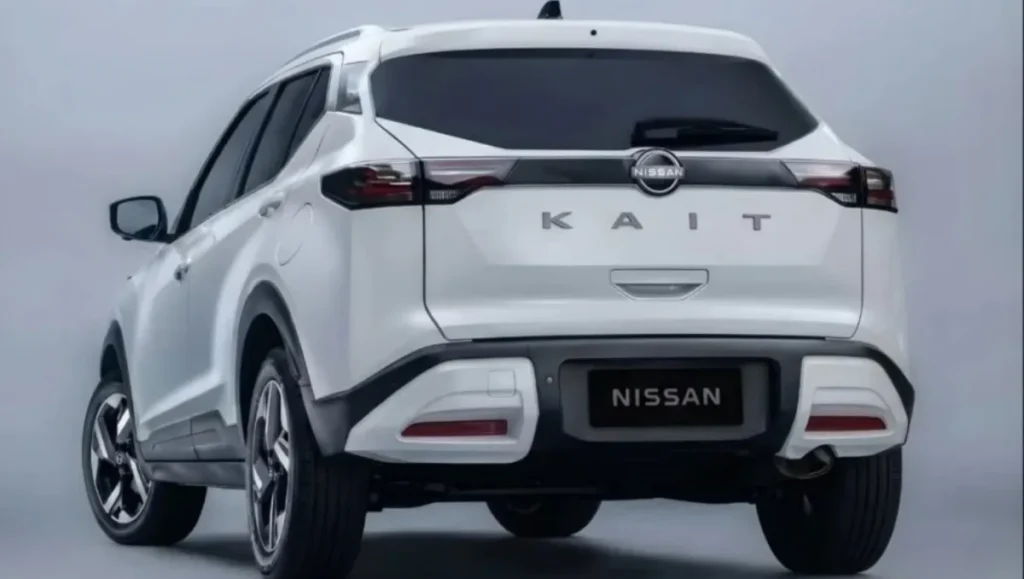
- Visually, Kait carries a refreshed, modern look. Exterior design features include a more expressive front fascia, updated headlights and taillights, and subtle but noticeable changes in body lines and bumpers to differentiate it from its predecessor.
- In terms of size and structure, Kait remains similar to the previous-generation SUV — offering a compact but practical profile well-suited for urban use and small-family needs.
- The cargo capacity is decent for its class: the boot/trunk space is rated around 432 litres according to early official specs.
Engine and Mechanicals
- Under the hood, the Kait will use a 1.6-litre flex-fuel (flex) naturally-aspirated engine — the same powertrain used in the previous entry-level compact SUV models from Nissan.
- This engine reportedly offers up to 113 cv (horsepower) with ethanol fuel and pairs with a CVT (continuously variable transmission), aiming for a comfortable and smooth driving experience — especially for city and light-duty use.
- Nissan seems to be positioning Kait as a cost-effective, entry-to-mid level compact SUV — with performance and economy balanced for consumers seeking practicality and reliability.
Features and Equipment
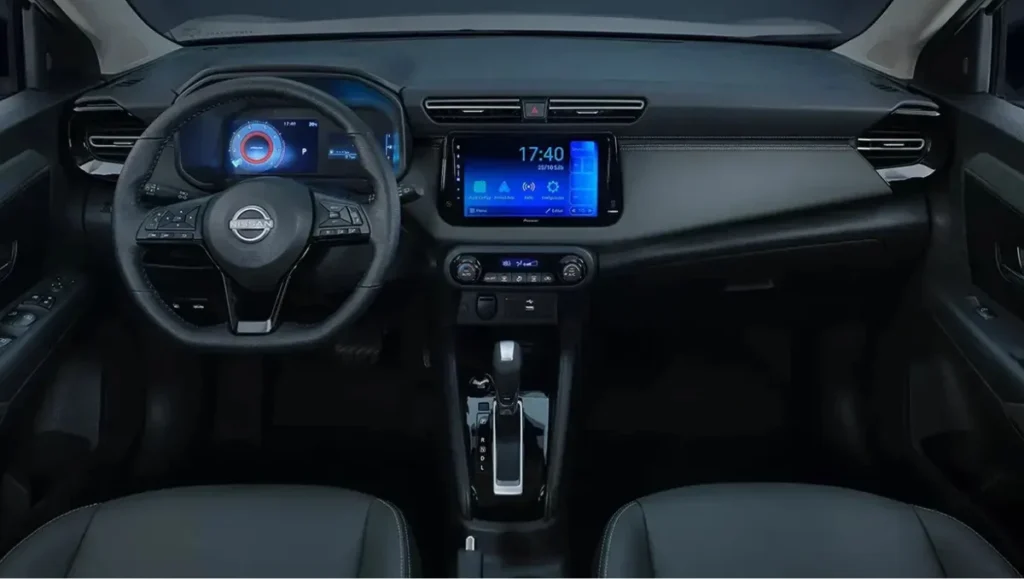
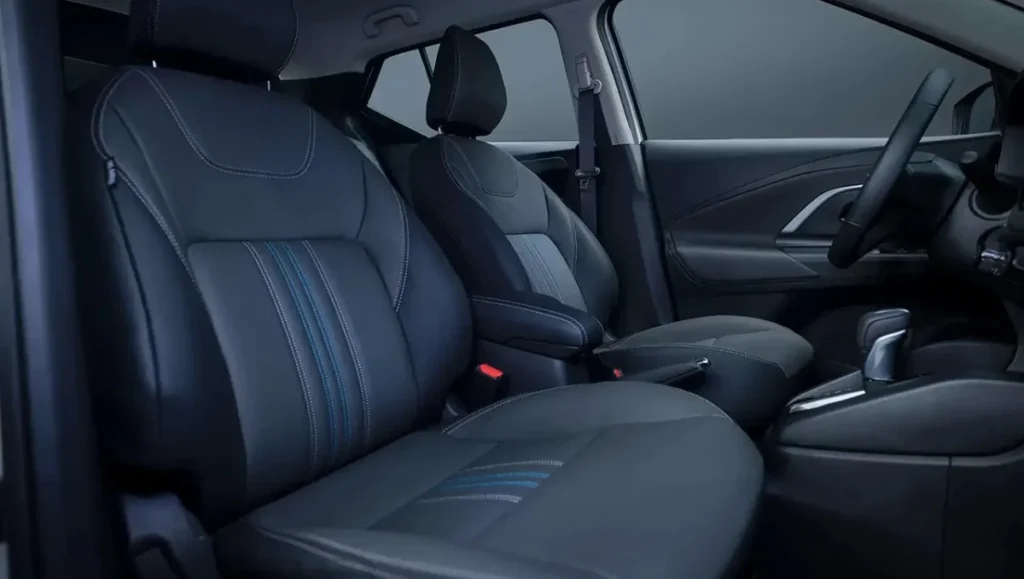
- Inside, Kait is expected to bring modern touches. The cabin layout and materials are likely refreshed compared to older entry-models.
- For comfort and convenience, the base or mid-spec versions are expected to include basics like air conditioning, electric power steering, standard safety gear (ABS, stability/traction controls), and possibly an updated multimedia/infotainment system.
- More advanced versions are expected to offer upgrades — potentially including driver-assistance technology (ADAS), improved lighting, and design-level upgrades, which mark a step up from the outgoing model.
Market Positioning: Why Kait Matters for Nissan in Brazil and Beyond
The launch of the Nissan Kait is not just about a new car — it represents a strategic move by Nissan to stay competitive in an increasingly crowded compact-SUV segment in Brazil and Latin America.
The Kait is set to replace the older entry-level model (or the more affordable version) — offering fresh design, modern features, and competitive pricing.
By launching in Brazil and building it locally, Nissan leverages cost efficiencies and positions Kait to appeal to a wide demographic — from young professionals and couples to small families looking for a practical SUV with good value.
Moreover, the automaker reportedly plans to export the Kait to over 20 countries, which indicates that Kait isn’t just a Brazil-only product — it might factor into Nissan’s global compact-SUV portfolio.
Given that compact SUVs remain among the most popular segments in many emerging and developing markets, Kait could well serve as Nissan’s answer to that demand — combining affordability with brand heritage.
What Remains Uncertain — and What to Watch for
While much has been revealed, some details about the Nissan Kait remain unsettled:
- Precise pricing and availability outside Brazil are not yet confirmed. Although rough price ranges in Brazilian real (BRL) have been suggested, global pricing and export timing remain uncertain.
- Final trim levels, feature sets, and official safety/equipment configurations have not been fully disclosed, especially with regard to driver-assistance technologies for export markets
- It’s unclear whether the nameplate “Kait” will be retained in every export country — there is speculation that in some markets (e.g. Asia or India) the model might carry a different name.
- The global reception — especially in markets with heavy competition in the compact SUV segment — remains to be seen. How Kait fares against rivals will depend not only on price and features, but also on brand perception, after-sales support, and localization.
Final Thoughts: Nissan Kait — a Fresh Compact-SUV with Promise
With the official launch of the Nissan Kait in Brazil, the automaker has signaled its willingness to refresh and strengthen its presence in the compact SUV segment. The switch to Kait — built locally at Resende, with updated styling, modern features, and a balanced 1.6-litre engine plus CVT — seems designed to meet the needs of budget-conscious yet style-and-feature-driven buyers.
For consumers in Brazil and possibly other export markets, Kait represents a compelling value proposition: compact size, sensible pricing (relative to features), and the reliability of a recognised brand. For Nissan, it’s a strategic tool to regain or solidify market share in a competitive SUV landscape.
What remains to be seen is how well the Kait will perform once full specifications, global pricing, and broader availability are rolled out. For now however, the debut of Kait marks an important step in Nissan’s evolving SUV road map — and a fresh option for SUV lovers who want practical value without sacrificing modern design and features.
FAQs – Nissan launches Kait in Brazil with Updated Styling and Modern Features
1: Why did Nissan even choose Brazil for the Kait launch?
From what it looks like, Brazil just made sense for them. The plant in Resende already builds similar SUVs, so they didn’t have to reinvent the whole setup. Plus the segment is pretty strong there. So… yeah, kind of a practical choice more than anything dramatic.
2: Is the Kait supposed to replace something older in the lineup?
Pretty much, yes. Nissan hasn’t screamed it from the rooftops, but the Kait basically falls into the spot of that older entry-level version of the Kicks. Think of it like a cleaner, newer take instead of a whole new direction.
3: What engine are they using in the Kait?
They stuck with the 1.6 flex-fuel engine. Honestly, nothing wild or experimental here. It’s familiar, works fine, and the CVT keeps it smoother for daily stuff. So if someone’s expecting a turbo or something flashy, this isn’t that car.
4: Did the size change? Like, is it bigger or smaller now?
Not really. When you look at the numbers, it’s basically in the same size bracket as before. Still easy to fit in tight parking spots, still enough room for a couple of people and their stuff. The boot is around the four hundred litre mark, give or take.
5: What’s the most noticeable design change on the Kait?
Honestly, the front end jumps out the most. The lights look sharper, and the lines across the body feel more deliberate. It’s one of those designs where you look once and go, “Okay, they updated it,” but it doesn’t look overdone.
6: How’s the interior shaping up on this thing?
Early photos make it look fresher than the older base versions. The materials don’t seem as plain, and the dashboard layout looks more put together. Even the basic models seem to have the essentials. Higher trims should get nicer screens or driver-assist stuff, but we’ll have to see.
7: Who exactly is Nissan aiming this SUV at?
Feels like they’re aiming right at budget-conscious SUV buyers. People who want something practical, maybe young couples or small families. Someone who wants an SUV vibe without going into the expensive category.
8: Is this model only staying in Brazil?
No, definitely not. Nissan plans to push it to a bunch of other regions. It’s supposed to go to twenty-plus countries. It might even go by a different name elsewhere, since Nissan has done that before with other models.
9: Do we know all the trims, features, safety stuff yet?
Not really. They’ve shown just enough to get people curious, but the full list isn’t out yet. So right now we only know the basics, and the rest will probably come out closer to the official deliveries.
10: When will we actually know the final pricing?
Probably right before it hits the showrooms. Nissan usually waits until they’re ready to ship the first batches. Brazil will get the confirmed numbers first, and export markets usually get their own announcements a bit later.
—