
Shareholders Approve Elon Musk’s $1 Trillion Pay Package at Tesla AGM
Shareholders approve Elon Musk’s $1 trillion pay package, one of the most enormous ever for a corporate leader. The vote, which passed with more than 75 percent support during Tesla’s annual general meeting in Austin, Texas, guarantees that Musk stays at the helm of the company for the next decade as it continues to push the boundaries of artificial intelligence, robotics, and electric vehicles.
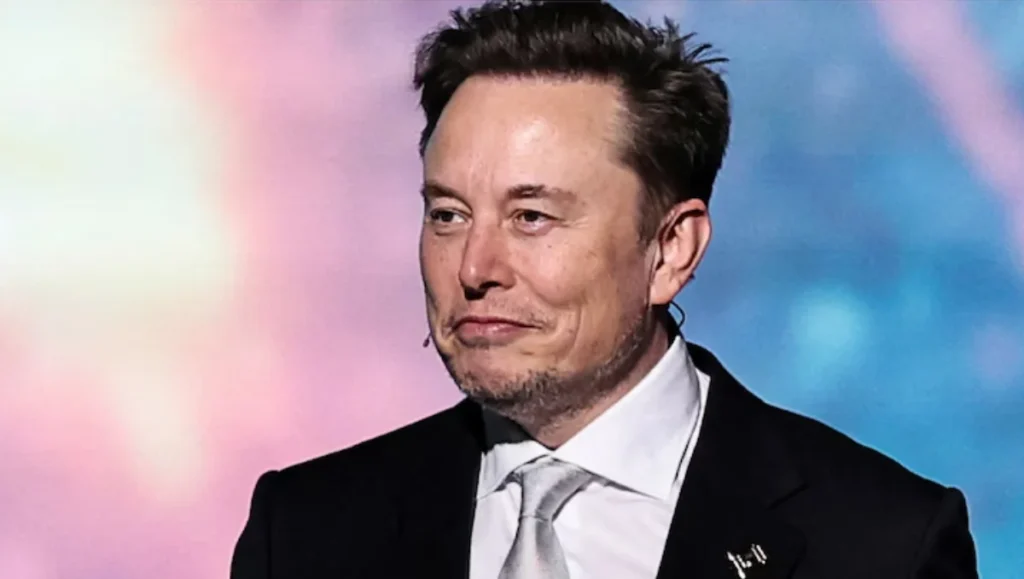
The approval, in effect, strengthens investor confidence in Musk’s leadership and positions Tesla for an ambitious future with targets that could redefine global transportation and automation.
A Record-Breaking Shareholders Approve Elon Musk’s $1 Trillion Pay Package Deal for the World’s Richest Person
Shareholders approve Elon Musk’s $1 trillion pay package underlines a belief at Tesla that holding onto him is crucial to realizing its long-term vision. The package was structured around a series of 12 performance-based tranches tied to market capitalization and operational milestones.
Tesla’s valuation needs to surge from $1.5 trillion to an incredible 8.5 trillion dollars in the next decade for the full payout. Tesla also needs to achieve a handful of ambitious targets: manufacturing 20 million electric vehicles annually, deploying one million robotaxis, selling one million humanoid robots, and ringing in with 400 billion dollars in annual profits.
Under the plan, Musk – who is already the world’s richest person, thanks to a net worth topping $500 billion – would see his ownership stake of Tesla rise from about 13 percent to more than 25 percent if all the conditions are met. That would give him even greater control over the company’s future direction.
Investor Support and Board Justification
The proposal was supported, however, by Tesla’s board of directors, led by Chairperson Robin Denholm; the board argued that no one can replace Musk’s leadership at a time when Tesla is expanding into AI, robotics, and self-driving technologies. Denholm added that defeat of the plan might bring instability in investors’ confidence and even force Musk to leave the company-an event the board described as a major risk.
“The success of the company and Musk’s vision are deeply intertwined,” Denholm said, urging shareholders to realize that retention of Elon Musk at Tesla is key to continued innovation and shareholder value.
As a result, the proposal was overwhelmingly approved, despite the strong opposition of several major institutional investors and proxy advisory firms like Glass Lewis and Institutional Shareholder Services, both of which had earlier assailed the deal as excessive, pointing out Musk’s already substantial stake in the company and the unprecedented scale of potential rewards.
Mixed Reactions: Supporters and Critics Weigh In
While Shareholders approve Elon Musk’s $1 trillion pay package, opinions remain sharply divided across the business and financial community.
Supporters argue, including analysts like Dan Ives of Wedbush Securities, that the approval is a sign of faith in Tesla’s long-term strategy. “This solidifies Musk’s dominance as the AI revolution accelerates and boosts investor confidence in Tesla’s growth story,” Ives said.
Baron Capital Management, of New York, says much the same: “Mr. Musk is essential to Tesla’s innovatively driven future,” said founder Ron Baron.
Critics have been nowhere near as celebratory. The activist group Tesla Takedown slammed the result as a reward for Musk despite slumping car sales and growing safety concerns. “Elon Musk just got one trillion dollars for failure,” the group said.
Investors including the world’s largest sovereign funds, such as Norway’s wealth fund and California’s CalPERS also voted against the proposal, citing governance issues. They pointed out Musk’s brother sits on Tesla’s board and that the package was not reviewed by an independent committee.
Even the Vatican chimed in on the widening income gap, calling the trillion-dollar payout an alarming indication of worldwide inequality.
The Bigger Picture: Key Man Risk at Tesla
Shareholders approve Elon Musk’s $1 trillion pay package, approval revived an old debate on key man risk, or corporate reliance on one leader. At Tesla, at least, the question of how to prevent Musk from ever leaving seemed to be the motivation behind its gigantic compensation package.
Industry observers say Tesla’s recent missteps-from lagging electric-vehicle sales in China and Europe to delays in autonomous-driving technology-underscore how overly dependent the company remains on Mr. Musk’s vision and charisma.
While Tesla has promised breakthroughs in robotaxis and self-driving, high-profile production delays and regulatory hurdles mean fully autonomous operations remain restricted to a handful of US cities. Yet Musk continues to double down: if Tesla pulls off what he describes as its goals around AI and automation, it will be the most valuable company in the world.
A New Chapter for Tesla and Musk
Following an announcement that shareholders approve Elon Musk’s $1 trillion pay package, Musk celebrated on stage in Austin with his trademark exuberance.
“I’d like to just give a heartfelt thanks to everyone who supported the shareholder votes. I super appreciate it,” he told a cheering crowd chanting his name. “What we’re about to embark upon is not merely a new chapter for Tesla, but a whole new book.”
His comments mirror the changing identity of Tesla, from an automobile manufacturing company into a diversified tech player with robotics, AI, and energy systems. The audacious compensation package will be not only monetary in nature but also one that reflects a commitment to the next phase of innovation at Tesla.
The Road Ahead
Though the future for Tesla looks bright, the road ahead will be a test for Musk in balancing his ambition with execution. Reaching those aggressive targets tied to Musk’s compensation will need Tesla to increase production, get regulatory approvals globally, and remain profitable in a competitive EV market dominated by Chinese players like BYD and Xpeng.
Still, the overwhelming shareholder vote suggests Tesla investors are willing to bet big on Musk’s vision. Whether or not he achieves the 8.5 trillion dollar market cap, the approval itself cements his legacy as one of the most influential and controversial figures in corporate history.
For now, one thing is clear: when shareholders approve Elon Musk’s $1 trillion pay package, they’re not just rewarding past success-they’re investing in a future driven by bold ambition, cutting-edge technology, and the unrelenting personality of Elon Musk himself.
FAQs – Shareholders Approve Elon Musk’s $1 Trillion Pay Package
1. What does it mean to say that shareholders approved Elon Musk’s $1 trillion pay package?
That means Tesla shareholders voted overwhelmingly to give Elon Musk a record-breaking compensation package worth as much as $1 trillion. The package links Musk’s earnings to Tesla’s long-term performance goals, ensuring he remains committed to leading the company for the next decade.
2. How much support did Tesla shareholders give to the pay package?
In Tesla’s yearly general meeting in Austin, Texas, more than 75 percent of shareholders approve Elon Musk’s $1 trillion pay package, a signal of strong confidence in his leadership.
3. Under what conditions would Elon Musk get the full payout of $1 trillion?
Tesla will only realize the full amount if it achieves an $8.5 trillion market capitalization and hits several performance milestones, including producing 20 million electric vehicles a year, deploying one million robotaxis, and generating annual profits of $400 billion.
4. Why did Tesla’s board endorse such a huge pay package for Elon Musk?
Tesla’s board countered that Musk’s leadership is crucial to Tesla’s success, as the company advances into AI, robotics, and self-driving technology. The board warned that defeat of the plan might have damaged investor confidence and jeopardized Musk’s presence in Tesla.
5. Who opposed the $1 trillion pay package for Elon Musk and why?
Major institutional investors such as Norway’s sovereign wealth fund and California’s CalPERS opposed the proposal. They criticized the size of the payout, the potential conflicts of interest, and the absence of independent oversight on Tesla’s board.
6. How does the new pay package compare to Elon Musk’s previous compensation plans?
This package is much larger than Musk’s 2018 pay deal that was valued at about $55.8 billion. The current plan could make him the world’s first trillionaire if Tesla hits its aggressive growth targets over the next decade.
7. What is the meaning of “key man risk,” and how does it relate to Tesla?
“Key man risk” describes dependence upon the leadership of a single leader in a company. In Tesla’s case, analysts say that for many, the company is tied too closely to Musk’s leadership, as reflected by shareholder eagerness to secure his continued involvement.
8. How did Elon Musk react after the shareholders approved the pay package?
Following the announcement, Elon Musk thanked investors, dubbing the approval “the beginning of a new chapter” for Tesla. He celebrated on stage in Austin, thanking shareholders for their support and reaffirming his commitment to the company’s future.
9. What are the major criticisms of Elon Musk’s $1 trillion pay package?
Critics say it is excessive, especially as Tesla has recently struggled to achieve sales targets and has also faced production delays. Others also have questioned how Musk can devote his full attention to Tesla and simultaneously lead SpaceX and xAI.
10. How will this decision affect Tesla’s future?
In approving the $1 trillion pay package, shareholders have ensured Musk’s continued leadership at Tesla well into the next decade. While this could mean accelerated activity in AI, robotics, and electric mobility, it also puts enormous pressure on the company to deliver on those promises.
—