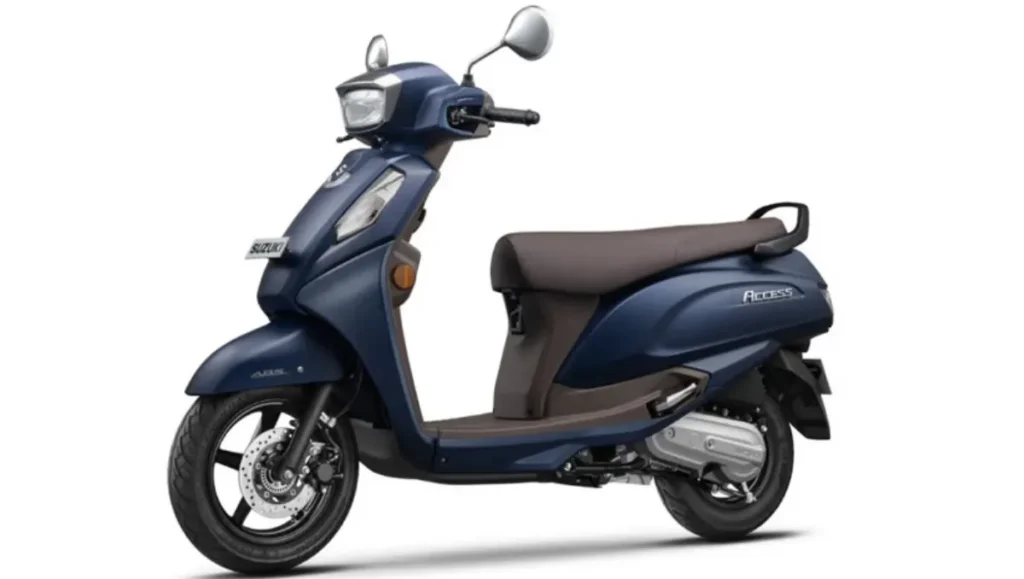
Suzuki Access 125 ABS Launched: India’s Cheapest ABS Scooter?
The moment many were waiting for has arrived. After a long period of 125cc scooters being dismissed as basic toys with bright paint, Suzuki has taken the lead. The Suzuki Access 125 ABS Launched this morning, February 4, 2026, offering much more than a new badge or a “Special Edition” title. This move fundamentally changes the safety expectations for the Indian commuter. We’ve been stuck with Combi-Braking (CBS) for a decade, which is basically just a fancy way of saying “we’ll pull both brakes and hope for the best.” But now, with a proper single-channel ABS, the Access has basically become the most sensible thing on two wheels.
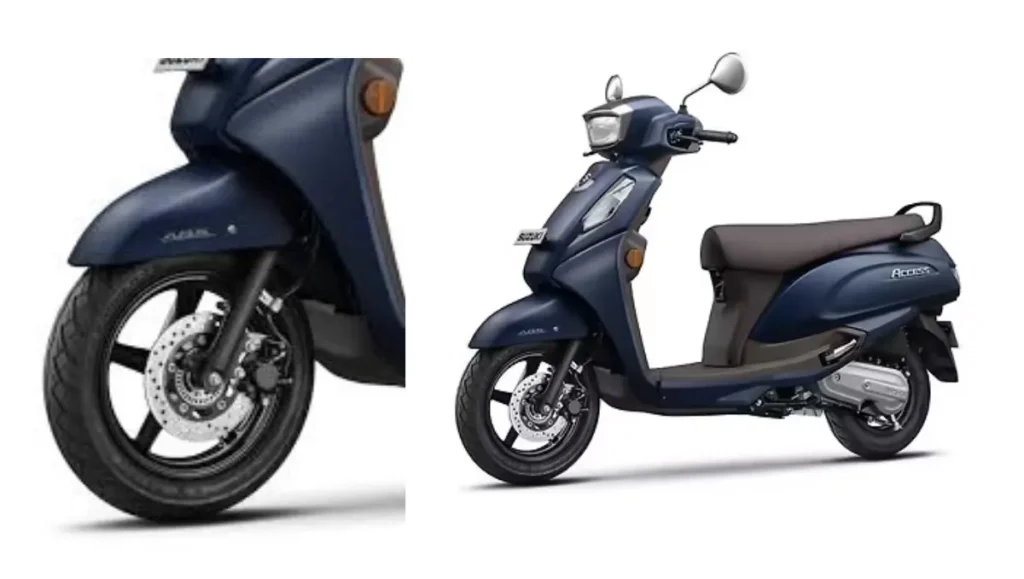
If you’ve ever had your front tire wash out on a patch of loose sand or oily rain-slicked asphalt, you know the panic. CBS doesn’t help there. ABS does. By bringing this tech to the Access, Suzuki has basically made it the cheapest scooter in the entire country to offer real, electronic braking safety.
What’s the Damage? Pricing and Variants
Let’s get the money talk out of the way. Everyone wants to know if the “safety tax” is too high. When the Suzuki Access 125 ABS Launched, the pricing was surprisingly grounded. They aren’t putting ABS on the base drum-brake versions (which makes sense, you need a disc for ABS to work), but it’s available on the top-end trims.
- Ride Connect ABS Edition: ₹92,328 (Ex-showroom, Delhi)
- Ride Connect TFT ABS Edition: ₹98,378 (Ex-showroom, Delhi)
There is a price gap of about ₹4,000 when comparing this new version to the non-ABS disc models. This investment covers the single-channel safety system now standard on the top trims. Honestly? We have seen people spend more on a set of flashy mirrors or a ceramic coating. Paying four grand to stop yourself from sliding under a bus on a rainy morning is the best investment you can make. It undercuts the 150cc “premium” scooters by a huge margin but gives you that same “big bike” stopping power.
The Big Sacrifice: Where Did the Kick-Start Go?
Okay, we need to address the “invisible” change. Upon inspecting the right side of the new disc-brake variants, the absence of a familiar lever is obvious. The Suzuki Access 125 ABS Launched minus the traditional kick-starter. This omission might cause a collective groan from traditionalists.
Skeptics are already asking, “What if the battery dies in the winter?” “What if the self-start motor fails?” We love our backup plans. But there’s a technical reason here. Fitting an ABS modulator—the pump and the computer that controls the brake pulses—requires physical space. Suzuki had to clear out the kick-start hardware to make room for the ABS brains and the extra wiring.
It’s a bit of a “modernity tax.” Suzuki is basically betting on their fuel-injection and maintenance-free battery tech to keep you going. If your battery is healthy, you don’t need a kick-start. If you let your scooter sit for six months, well, you’ll be looking for a jumper cable. It’s a brave move for the Indian market, but for the added safety of ABS, most people (myself included) will take that deal in a heartbeat.
Riding It: Same Peppy Engine, Just Safer
Why mess with a proven formula? The output stays at 8.3 bhp and about 10.2 Nm of torque. While it won’t win you any races, the Access has always been known for that “peppy” little spark in its performance. It’s not a racing machine, but the Access has always had this “peppy” character. It doesn’t struggle. You twist the throttle, and it just glides.
Mileage? It’s still hovering around 45-50 kmpl in the real world. Range? Nearly 250 kilometers thanks to that 5.3-liter tank. It’s a proven setup that just works for daily riding. Thankfully, the fuel filler is still on the outside. It saves you from that clumsy routine of getting off, opening the seat, and letting everyone see your storage mess just to get some petrol.
New Colors and Tech
Along with the Suzuki Access 125 ABS Launched today, we got some fresh paint. The Pearl Mat Aqua Silver on the TFT version is the standout—it looks very 2026. The TFT screen isn’t just a gimmick to hike up the price tag. It works hard by connecting to your phone for navigation and providing you with constant weather data while you’re on the move. For anyone riding in Bangalore or Mumbai, where the weather is famously moody, getting a rain warning directly on your dashboard is honestly one of the most useful bits of tech Suzuki has added.
Rivals: The Activa and Jupiter are in Trouble
The Honda Activa 125 and the TVS Jupiter 125 have always been the “safe” bets for the average buyer. However, with no ABS on their spec sheets, they’re starting to look surprisingly dated. Neither of them offers ABS. They are still relying on CBS to get the job done.
By launching the ABS variant at this price, Suzuki has stolen the “safety” crown. If you’re a parent buying a scooter for your kid, or if you’re a rider who values their skin over a few thousand rupees, the Access is now the only logical choice in the 125cc class. I expect Honda and TVS will be scrambling to launch their own ABS versions before the year is out.
Is It the Best Access Ever?
Of course, it’s not entirely perfect. I still believe the under-seat storage could be expanded; 21.8 liters is okay for a half-face helmet, but it isn’t great for much else. And honestly, a 6-liter fuel tank would have been a huge improvement for anyone planning to take this on longer rides. But as a daily commuter? It’s hard to beat.
The truth is, the Suzuki Access 125 ABS Launched today as a massive win for every rider in India. It’s a loud signal that manufacturers are finally catching on to the fact that we prioritize real engineering over just flashy new graphics. It stays refined and incredibly fuel-efficient, but now it brings stopping power that simply outclasses everything else in this price bracket. If you can live without the kick-start, there is literally no reason to buy the old version anymore. Go for the ABS. Your knees (and your insurance premium) will thank you.
FAQs – Suzuki Access 125 ABS Launched
1: What will someone pay for the new Access 125 ABS variants?
Pricing starts at ₹92,328 for the Ride Connect ABS and hits ₹98,378 for the TFT version (ex-showroom, Delhi).
2: Does this ABS variant still have a kick-start?
No. Suzuki had to ditch the kick-starter to fit the ABS pump and its complex wiring into the frame.
3: Exactly how does the new braking work?
It uses a single-channel ABS on the front wheel, meaning the system monitors that front disc to stop it from locking up during panic braking.
4: Is ABS now on every Access model?
Nope. It is reserved for the top-end disc versions; the cheaper drum variants still use the basic Combi-Braking (CBS) setup.
5: Has the engine been tuned or changed at all?
No changes there. The 124cc heart still puts out the same 8.3 bhp and 10.2 Nm of torque that it always has.
6: Which new color belongs only to the TFT model?
Pearl Mat Aqua Silver is the exclusive new shade you’ll only find on the TFT ABS trim.
7: What kind of range can a rider expect?
Expect about 45-50 kmpl in the real world. Since the tank holds 5.3 liters, the range is roughly 250 kilometers.
8: What is the point of the TFT screen tech?
It handles turn-by-turn navigation via your phone and, quite helpfully, flashes weather and rain alerts while you ride.
9: Can a full-face helmet fit in the storage?
Not really. The 21.8-liter space is mostly meant for half-face helmets or smaller bags and groceries.
10: How do you refuel this thing?
Refueling is easy since the filler cap is on the outside, so the seat stays shut while you’re at the pump.
—