Tata Avinya EV Launch Confirmed for 2026 Marks a Turning Point
Tata Avinya EV Launch Confirmed for 2026 feels unusually restrained for a product update. More like a quiet marker in Tata Motors electric journey. There were no showy reveals, no big claims, and no numbers built for buzz. Instead, the confirmation of a launch year did something more subtle. It turned Avinya from an idea into a commitment. Once a year is attached, expectations change internally and externally, and projects are no longer allowed to drift.

Avinya has always occupied a different mental space compared to Tata’s current electric cars. It was never framed as the next logical upgrade or an electric replacement for a familiar nameplate. From the start, it was presented as a rethink, a pause to ask how an electric vehicle should be shaped when it is not constrained by habits formed around petrol or diesel cars.
How the Avinya Idea Took Shape
When Avinya was first shown as a concept, it did not behave like a typical show car. There was no obsession with extreme acceleration or exaggerated styling. The emphasis stayed on proportions, openness, and how people might move within the cabin. The long wheelbase and short overhangs were doing most of the talking, quietly pointing to the benefits of a clean electric architecture.
This restraint was intentional. Tata described Avinya as a vision of what its future electric vehicles could be, not as a preview of a showroom-ready model. Many such concepts fade away once internal realities take over. Tata Avinya EV Launch Confirmed for 2026 suggests that this one did not. The core thinking appears to have survived scrutiny from engineering, finance, and manufacturing teams.
Tata Motors and the Learning Phase of EVs
Tata Motors entered the electric space by doing what made sense at the time. Existing platforms were adapted, batteries were integrated where possible, and familiar models were electrified. This approach allowed Tata to move quickly and build volume in a market that was still unsure about electric mobility.
Those early EVs played a critical role. They helped normalize charging, ownership, and daily use. But they also revealed the limits of adaptation. Converted platforms always involve trade-offs, whether in interior packaging, weight balance, or future scalability. Avinya represents Tata’s acknowledgment of those limits and its intention to move beyond them.
Why the Platform Matters More Than the Product
At the heart of Avinya is a dedicated electric-only platform. Tata has confirmed that this architecture will not be shared with its current EV lineup. That one detail is what sets Avinya up as a turning point, not just another entry.
A ground-up EV platform gives engineers the freedom to rethink priorities entirely. Batteries can be placed for optimal balance and safety. Interiors can be designed around people instead of mechanical constraints. Structural rigidity can be tailored specifically for electric layouts. These advantages are difficult to fully achieve when working within the boundaries of an older platform.
Tata Avinya EV Launch Confirmed for 2026 gives this platform something crucial: a deadline. Without timelines, platforms remain ideas. With timelines, they become production programs.
Design That Intentionally Avoids Noise
Avinya’s design language steps away from aggression and visual clutter. The concept adopted smooth surfaces, upright proportions, and a noticeably calm presence. Tata has positioned this as a human-oriented approach, reflecting comfort inside the vehicle rather than speed suggested by its shape.
The production model will naturally smooth out certain elements. Regulations, durability standards, and cost considerations always reshape concepts. Still, Tata Avinya EV Launch Confirmed for 2026 means the design intent is now being filtered through real-world constraints rather than abandoned altogether.
Interior Space as a Central Theme
More than styling or technology, Avinya has consistently been about space. The concept highlighted a flat floor, minimal dashboard elements, and flexible seating ideas. The idea was to create a sense of ease and room that holds up over long drives, rather than something that looks dramatic in photos.
That approach works with electric platforms, but only when they are planned with that purpose in mind. By confirming Avinya’s launch year, Tata has tied this interior philosophy to a real development cycle. It is no longer just a design statement but a measurable objective.
Range and Charging Without Overstatement
One noticeable aspect of Avinya’s communication has been the absence of bold range claims. Tata has avoided attaching numbers that could dominate conversation and then disappoint later. Instead, it has spoken about improving real-world usability.
That includes range, but also charging behavior and efficiency. Tata Avinya EV Launch Confirmed for 2026 suggests that the vehicle is being engineered for a future charging environment rather than optimized only for present limitations. This cautious approach reflects an understanding that EV ownership experience goes beyond headline figures.
The Growing Role of Software
Another layer to Avinya’s story is software. Tata has indicated that its future vehicles will rely more heavily on software-defined systems. This allows features, interfaces, and even performance characteristics to evolve over time through updates.
Avinya is expected to be developed with this mindset from the outset. That does not imply a feature-heavy launch. Instead, it points to a structure designed for longevity, where the vehicle can adapt as technology and user expectations change.
Positioning Within Tata’s Electric Portfolio
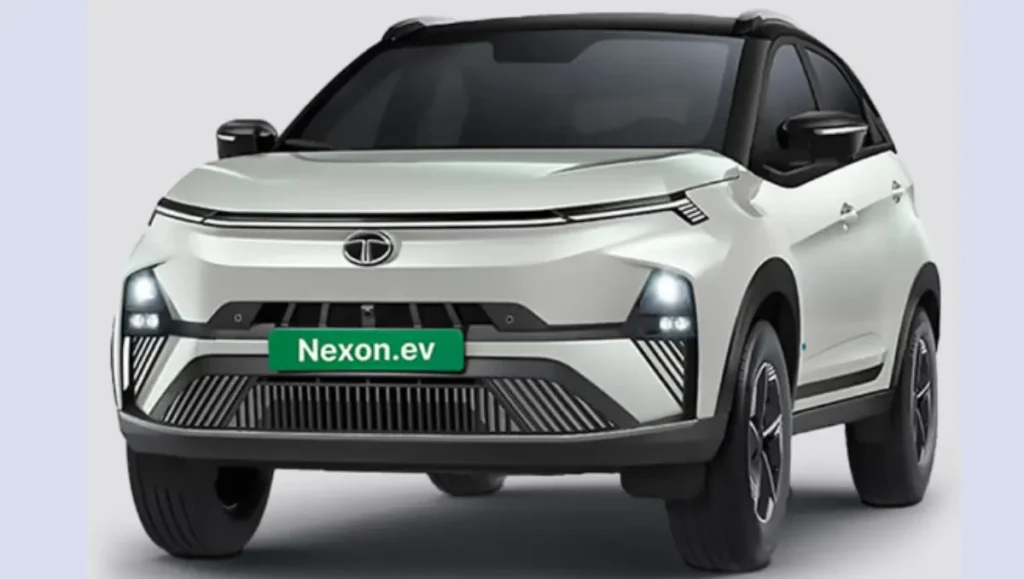
Avinya is not intended to replace existing Tata EVs. Models like Nexon EV and Punch EV will continue to serve buyers looking for familiarity and accessible pricing. Avinya sits above them in intent, offering Tata room to explore a different expression of electric mobility.
This separation is strategic. It allows Tata to experiment without risking the strengths of its current lineup. It also acknowledges that the EV market is diversifying, with buyers seeking different things at different stages of adoption.
Why the 2026 Timeline Is Meaningful
Fixing a launch year changes behavior across an organization. Suppliers align, testing schedules solidify, and manufacturing plans become concrete. Tata Avinya EV Launch Confirmed for 2026 indicates that Avinya has moved beyond internal debate into execution mode.
The choice of 2026 also signals patience. Tata has not rushed Avinya to market to capitalize on short-term momentum. Instead, it appears to be allowing time for the platform, supply chain, and supporting ecosystem to mature together.
What Avinya Represents Going Forward
In the larger picture, Avinya is less about one vehicle and more about direction. It represents Tata’s move from learning how to sell electric cars to defining how it wants electric cars to be built. Dedicated platforms, calmer design, better space balance, and long-term flexibility shape the base of this shift.
Tata Avinya EV Launch Confirmed for 2026 becomes the moment that direction turns tangible here. What ultimately reaches the road will matter more than the ideas discussed today. But the confirmation itself sends a clear message. Tata believes its next phase of electric mobility begins here, and it is finally ready to commit to it.
FAQs – Tata Avinya EV Launch Confirmed for 2026
FAQ 1: What does Tata Avinya EV Launch Confirmed for 2026 actually mean?
It means Tata Motors has officially locked in a production timeline for Avinya. The project is no longer just a concept or long-term idea. A confirmed year signals internal commitment and active development.
FAQ 2: Is Tata Avinya an electric version of an existing Tata car?
No. Avinya is not an electric replacement for any current Tata model. It is being developed as a separate product on a dedicated electric platform.
FAQ 3: Why is Avinya considered different from current Tata EVs?
Most current Tata EVs are based on modified petrol platforms. Avinya is planned on a ground-up electric architecture, which allows different design and packaging priorities.
FAQ 4: Has Tata revealed the final design of Avinya?
No final production design has been shown yet. The Avinya concept previews design direction and philosophy, not the finished vehicle.
FAQ 5: Will Avinya be positioned above Nexon EV and Punch EV?
Yes. Avinya is expected to sit above existing Tata EVs in terms of positioning and intent, while current models continue serving their respective segments.
FAQ 6: Has Tata confirmed range or battery specifications for Avinya?
No official range, battery size, or charging figures have been announced yet. Tata has focused on overall usability rather than headline numbers.
FAQ 7: Why is Tata not highlighting performance figures for Avinya?
Tata appears to be taking a measured approach, emphasizing space, comfort, and long-term usability rather than speed or acceleration claims.
FAQ 8: What role does software play in the Avinya project?
Avinya is expected to be developed with a software-focused architecture, allowing features and systems to evolve through updates over time.
FAQ 9: Why is the 2026 timeline important for Tata Motors?
Fixing a launch year aligns suppliers, testing schedules, and manufacturing plans. It shows the project has moved into execution rather than internal discussion.
FAQ 10: Is Avinya meant to define Tata’s future EV direction?
Yes. Avinya represents Tata’s shift toward purpose-built electric vehicles and is expected to influence how future Tata EVs are designed and developed.
—