Tata Harrier Petrol Explained: Strengths and Weaknesses for City and Highway Buyers
Tata Harrier Petrol Explained: Strengths and Weaknesses is a subject that keeps resurfacing among SUV buyers who like the Harrier’s size, stance, and comfort but are unsure about living with a diesel long term. Most private SUV owners today skip long highway runs most weekends now. They drive to work, run errands, manage traffic, and park in tight everyday city spaces nearby. For that kind of life, diesel can feel excessive.
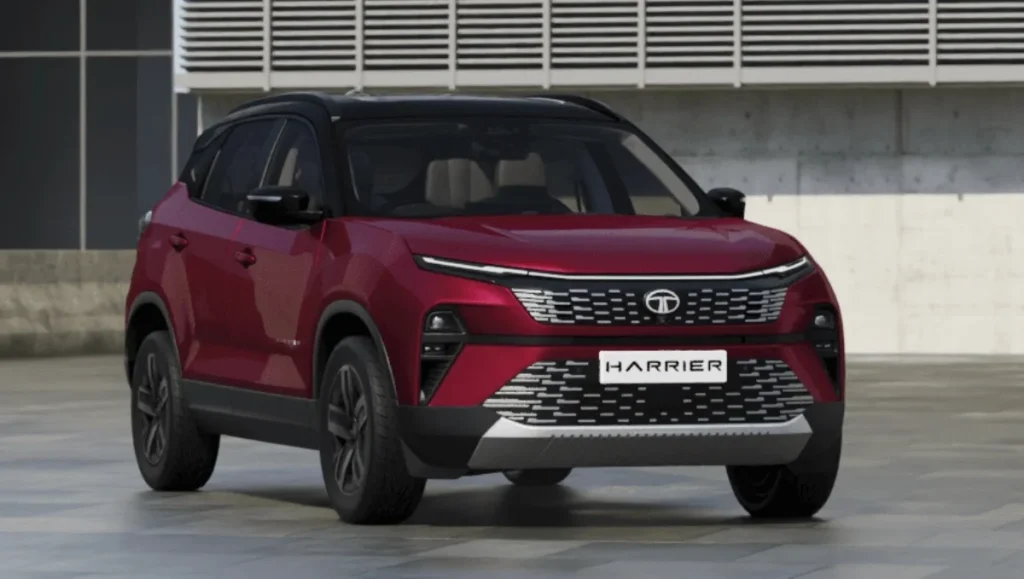
The petrol Harrier exists because a lot of buyers wanted the Harrier’s size and design without committing to diesel ownership. City driving, shorter trips, and lighter annual mileage now define how many private owners actually use their cars. That shift makes the petrol Harrier worth a closer look.
A Quick Look at What Has Not Changed
The Harrier itself is still the same vehicle underneath. The platform, suspension, wheelbase, and cabin layout remain unchanged. That matters because the Harrier’s strengths were never only about the engine. Space, ride comfort, and road presence were already strong points. The petrol version does not try to reinvent the Harrier. It simply changes how the vehicle behaves when you start it and drive it.
About the Petrol Engine, Without the Marketing Layer
At its core, the petrol Harrier uses Tata’s 1.5 litre turbo petrol engine, producing 170 horsepower. On paper it sounds decent, though the way it’s tuned ends up saying far more than any spec sheet numbers. This motor is not meant to feel sharp or sporty. Power builds in a steady, controlled way. It feels designed to avoid drama. That suits the Harrier’s personality, which has always leaned more toward comfort than excitement.
City Driving, Day to Day
In traffic, the petrol Harrier feels easier than the diesel. There’s quieter idle behaviour, reduced cabin vibration, and a throttle that feels controlled. Each change seems minor separately, though combined they alter how relaxed the car feels. If most of your driving happens below 50 kmph, this matters more than torque figures or acceleration times. The car simply feels less demanding.
Where Refinement Really Stands Out
Refinement is not something you notice instantly and forget. It shows up over weeks of use. In the petrol Harrier, the cabin stays calmer in slow traffic, and the engine does not dominate the driving experience. Even when you accelerate moderately, the sound stays controlled rather than loud. Combined with the Harrier’s solid suspension setup, this makes the petrol version feel more settled in everyday use.
The Part Where Diesel Still Wins
There is no way around this. Push the diesel Harrier and it still feels stronger overall. Low-end torque simplifies overtakes and avoids repeated gear changes. With the petrol Harrier, things need more thought before committing on fast roads or quick manoeuvres. Downshifts are common when overtaking or driving with a full load. This is not a flaw, it is just the nature of petrol versus diesel in a heavy SUV. Buyers expecting diesel-like shove will notice the difference immediately.
Tata Harrier Petrol Specifications
| Tata Harrier Petrol Specifications | |
|---|---|
| Engine Type | 1.5 litre Turbocharged Petrol |
| Displacement | 1497 cc |
| Maximum Power | 170 hp |
| Maximum Torque | 280 Nm |
| Transmission Options | 6-speed Manual, Automatic (Expected) |
| Drivetrain | Front-Wheel Drive |
| Fuel Type | Petrol |
| Fuel Tank Capacity | 50 litres |
| Emission Standard | BS6 Phase 2 |
| Body Type | SUV |
| Seating Capacity | 5 |
| Boot Space | 425 litres |
| Ground Clearance | 205 mm |
Fuel Usage in the Real World
Fuel efficiency needs honesty, not optimism. In city driving, the petrol Harrier burns more fuel than diesel, especially with stop-and-go traffic everywhere. Out on highways, mileage improves once speeds settle, but diesel still covers long distances more easily overall in practice. Where petrol balances this out is in short trips. Cold starts and short drives are easier on a petrol engine, which can matter over long-term ownership.
The Quieter Side of Ownership
Today’s diesel engines are far more complex than earlier versions. Emission systems, regeneration routines, and how they’re driven matter much more. Petrol engines avoid many of these concerns. For owners who drive short distances and keep cars for many years, this simplicity can reduce stress. It does not show up in brochures, but it shows up during ownership.
Pricing and Who It Works Best For
The petrol Harrier is priced lower than diesel variants at the entry level. Importantly, nothing important is removed. You still receive the same space, safety equipment, and ride comfort setup. The petrol Harrier fits buyers spending most drives in cities, running moderate yearly mileage, and liking quieter, smoother progress overall. Diesel still fits frequent highway users and those doing regular heavy-load driving.
Takeaways
Tata Harrier Petrol Explained: Strengths and Weaknesses is not about choosing the better engine. What matters is selecting what matches real usage, not theory. The petrol Harrier feels calmer, smoother, and easier to live with while driving in cities. The diesel remains better for long distances and heavy use. Neither is wrong. The mistake is buying one without being honest about your driving habits.
The petrol Tata Harrier makes sense for a specific kind of buyer rather than everyone. In short, the petrol Harrier works best when city use outweighs long-distance driving.
FAQs – Tata Harrier Petrol Explained: Strengths and Weaknesses
FAQ 1: Is the Tata Harrier petrol better than the diesel version?
It is not better or worse by default. The petrol Harrier suits city-heavy use and shorter trips, while the diesel works better for long highway runs and heavy loads.
FAQ 2: Does the petrol Harrier feel underpowered compared to diesel?
It does not feel weak, but it feels different. The diesel has stronger low-end torque, while the petrol needs more planning during overtakes and loaded driving.
FAQ 3: Is the petrol Harrier suitable for daily city traffic?
Yes. The petrol Harrier feels calmer in traffic, with lower idle noise, fewer vibrations, and smoother throttle response during slow driving.
FAQ 4: How is fuel efficiency in real-world use?
In city conditions, the petrol Harrier uses more fuel than diesel, especially in stop-and-go traffic. Highway mileage improves at steady speeds but still trails diesel over long distances.
FAQ 5: Does the petrol Harrier cost less to maintain?
For city-focused owners, petrol ownership can feel simpler. It avoids some diesel-specific emission system concerns, especially for short trips and infrequent highway use.
FAQ 6: Is the interior different between petrol and diesel Harrier?
No. Space, comfort, safety features, and ride quality remain the same regardless of engine choice.
FAQ 7: Who should choose the petrol Harrier?
Buyers who mostly drive in cities, cover moderate annual mileage, and prefer a quieter, smoother driving experience will find the petrol Harrier more suitable.
FAQ 8: Who should avoid the petrol Harrier?
Frequent highway drivers, heavy-load users, and those who value strong low-end torque may still be better served by the diesel version.
FAQ 9: Is the petrol Harrier good for occasional highway trips?
Yes, it cruises comfortably on highways, but overtakes require more planning compared to diesel, especially when the vehicle is fully loaded.
FAQ 10: What is the main takeaway from choosing petrol over diesel?
The choice depends on how the car is actually used. Petrol fits urban routines better, while diesel remains stronger for long-distance and demanding driving.
—