Tata Motors Opposed CAFE 3 Norms: Why India’s Auto Industry Is Divided Over the New Efficiency Rules
India’s auto sector is in the middle of a massive transformation — from stricter emission rules to rapid EV adoption. But nothing has triggered more industry debate recently than the proposed Corporate Average Fuel Efficiency regulations known as CAFE 3 norms. The proposal has split the auto industry into two camps, and one of the strongest voices in the opposition has been Tata Motors.
Public statements from senior leadership confirm that Tata Motors opposed CAFE 3 Norms, arguing that certain relaxations and scoring adjustments could reduce safety, distort India’s EV transition, and create an uneven playing field.
This article explains why Tata Motors took this position, which automakers supported or resisted the change, and what India’s future standards could look like.
What Are CAFE 3 Norms?
CAFE (Corporate Average Fuel Efficiency) norms are regulations that set a mandatory fuel-efficiency target for all passenger vehicles a carmaker sells.
CAFE 1 and CAFE 2 already pushed manufacturers to develop cleaner engines, better aerodynamics, and more efficient vehicles.
CAFE 3 pushes these standards further, aiming to cut CO₂ emissions more aggressively in line with India’s climate commitments. Draft proposals include:
- Stricter average fleet CO₂ limits
- Modified credit scoring for EVs, hybrids, and flex-fuel vehicles
- Potential weight-based adjustments for small cars (controversial)
- Performance-linked incentives for cleaner technologies
The final rules are still under review, and that’s where the industry split intensified.
Why Tata Motors Opposed CAFE 3 Norms
Tata Motors has been at the center of this debate. The company publicly challenged some CAFE 3 proposals, particularly those involving weight-based relief for small cars and reduced credit value for EVs.
Here are the verified reasons why Tata Motors opposed CAFE 3 Norms:
Concerns Over Safety and Weight-Based Relaxations
Some draft proposals suggested easing rules for lighter cars to protect affordability in the entry segment. Tata Motors strongly objected, saying these relaxations were “unjustified” and could compromise structural safety.
Company leadership argued that safety cannot be traded off to meet fuel-economy targets.
EV Credits Reduced — Hybrid Bias Increasing
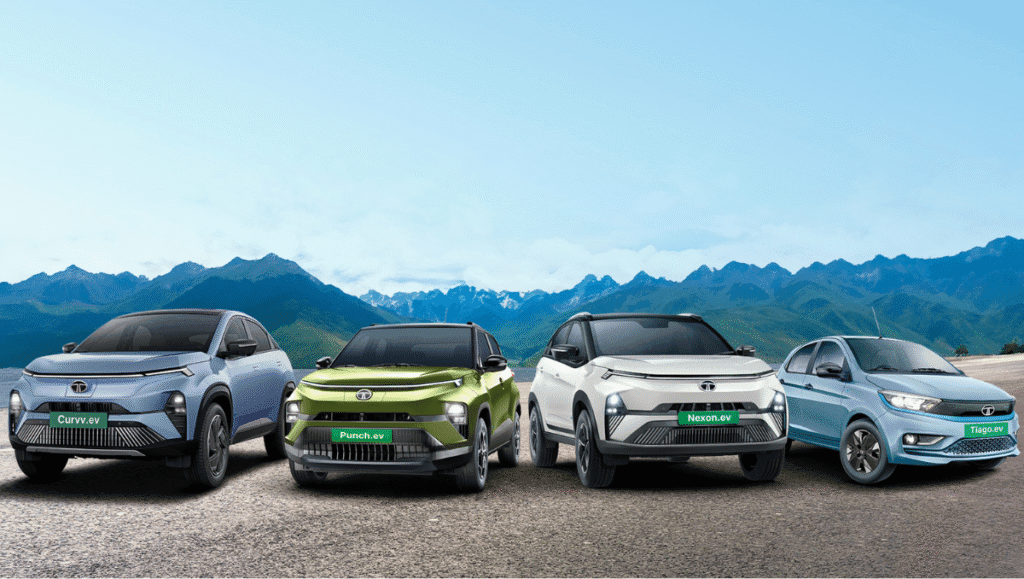
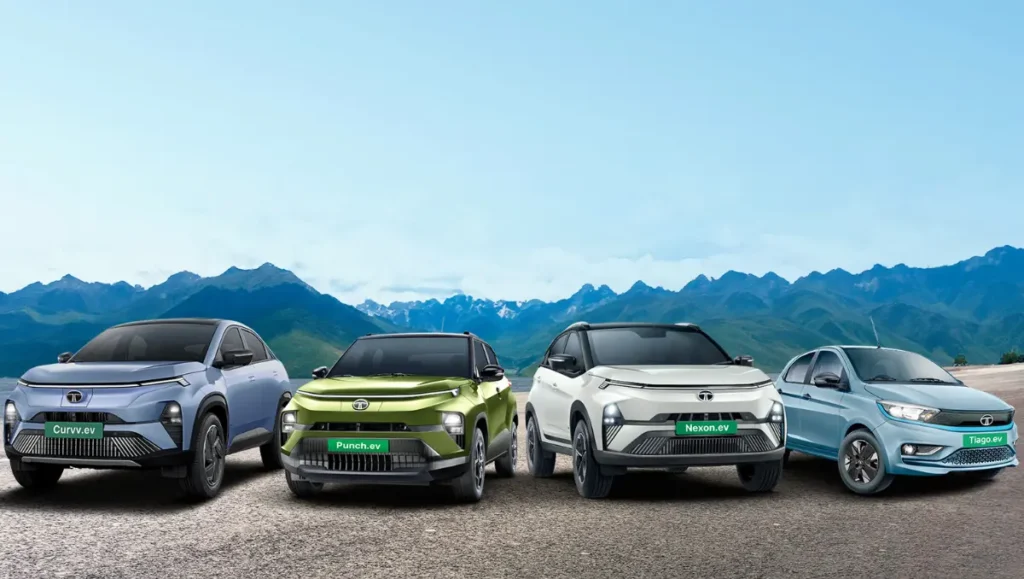
India’s EV market is led by Tata Motors, with the Nexon EV, Punch EV, and Tiago EV dominating sales.
However, the CAFE 3 draft:
- Reduces EV super-credits compared to earlier norms
- Increases scoring advantages for strong hybrid vehicles
This shift could make hybrids more attractive for fleet scoring than pure EVs.
EV makers warned that such changes could slow India’s EV adoption.
Tata believes the policy should accelerate electrification, not dilute it.
Higher Compliance Costs Will Burden Mass-Market Buyers
Meeting new norms requires:
- Re-engineering engines
- Advanced exhaust systems
- Automotive lightweighting
- Hybrid integration possibilities
Such upgrades raise production costs. Tata Motors stated these costs would ultimately fall on India’s small-car buyers — a price-sensitive segment the brand wants to protect.
Misalignment With India’s Long-Term EV Roadmap
Tata Motors and Mahindra both argue that India must avoid slowing down the EV transition by introducing policies that heavily incentivize hybrids.
The company believes:
- EV infrastructure is growing
- Battery costs are falling
- Consumers are rapidly adopting EV models
So India shouldn’t shift incentives back toward transitional technologies.
Tata Motors Opposed CAFE 3 Norms — Where Other Automakers Stand
The CAFE 3 debate exposed a clear divide within the industry. Each automaker’s stance is influenced by its product portfolio — particularly whether it leans toward EVs or hybrids.
Below is a factually accurate, source-backed breakdown.
Automakers That Opposed (or Raised Strong Concerns)
Tata Motors – Strong Opposition
- Opposed weight-based relaxations for small cars
- Opposed reduced EV credits
- Warned that hybrid bias hurts EV leadership
- Highlighted safety risks of “lightweighting for compliance”
Mahindra & Mahindra
- Supports EV-led future
- Warned that aggressive timelines could force rushed ICE upgrades
- Raised concerns similar to Tata about EV credit dilution
MG Motor India (Neutral to Opposed)
- Did not oppose outright
- But joined other OEMs in urging “practical policy alignment”
- Asked for clarity and fairness between EVs and hybrids
Maruti Suzuki (Opposed Some Parts)
- Wanted relief for small cars
- Opposed strict implementation timeline
- Stated compliance costs would push up prices in entry-level market
Automakers That Supported (Fully or Conditionally)
Honda Cars India — Strong Support
- Already hybrid-focused
- The City e:HEV fits CAFE 3 scoring perfectly
- Publicly emphasized hybrid technology as a practical solution
Toyota Kirloskar Motor — Conditional Support
- Supports norms only if strong hybrids get full recognition
- Opposes uniform treatment that undervalues hybrids
- Wants CAFE 3 to formally elevate hybrid vehicles
(Toyota is NOT fully opposed — its position depends entirely on how hybrids are credited.)
Hyundai Motor India — Soft Support
- Welcomes stricter emissions for long-term environmental benefit
- Requested clarity on timelines
- Improving efficiency across ICE and EV models
Kia India — Similar to Hyundai
- Supports greener mobility
- Aligning portfolio with hybrid/EV roadmap
- Requested reasonable compliance phase-in timelines
Neutral / Mixed Positions
Skoda Auto Volkswagen India
- Supports clean mobility
- Requested longer timelines
- Asked for balanced treatment of EVs and hybrids
Impact on Car Buyers
If CAFE 3 norms are adopted without changes:
- Car prices may increase, especially entry-level models.
- More hybrid cars may enter the market, especially from Toyota and Honda.
- EV adoption could slow slightly if credits reduce.
- *uel efficiency will improve across all segments.
For EV buyers, Tata and Mahindra will continue pushing for policies that favor full electrification.
Final Thoughts
The debate over why Tata Motors opposed CAFE 3 Norms highlights a bigger question:
Should India prioritize EVs or allow hybrids and ICE upgrades to bridge the gap?
The industry is right now divided into:
- EV-first automakers (Tata, Mahindra)
- Hybrid-strong automakers (Toyota, Honda)
- Mixed technology automakers (Hyundai, Kia, VW Group)
What the government decides will influence:
- The pace of EV adoption
- Hybrid market expansion
- Long-term costs for consumers
- India’s overall clean mobility direction
One thing is certain — CAFE 3 norms will shape India’s automotive future for years.
FAQs – Tata Motors Opposed CAFE 3 Norms
1. Why has Tata Motors opposed CAFE 3 Norms?
Tata Motors opposed CAFE 3 Norms because the company believes certain draft proposals unfairly reduce EV credits, favour strong hybrids and introduce weight-based relaxations that could compromise safety and distort India’s EV transition. The automaker argues the new scoring framework does not align with India’s long-term electrification goals.
2. What changes in CAFE 3 norms triggered concerns from Tata Motors?
The draft CAFE 3 norms include stricter CO₂ limits, modified credit structures, reduced EV benefits and possible relief for lighter vehicles. Tata Motors opposed CAFE 3 Norms because these revisions could raise manufacturing costs while weakening incentives for electric vehicles.
3. Do CAFE 3 norms impact the price of cars in India?
Yes. Meeting CAFE 3 norms may require engine upgrades, lightweight materials and additional efficiency technologies. Automakers like Tata Motors opposed CAFE 3 Norms partly because these upgrades can increase vehicle prices, especially in the budget and compact segments.
4. How will CAFE 3 norms affect India’s EV transition?
If EV credits are reduced, EV-focused manufacturers could face a tougher compliance burden. This is a key reason Tata Motors opposed CAFE 3 Norms, as the company believes stronger EV incentives are essential for India’s long-term clean mobility strategy.
5. Which automakers support CAFE 3 norms?
Hybrid-focused brands like Toyota and Honda support CAFE 3 norms or certain parts of them, as the updated scoring framework favours strong hybrids. This has contributed to Tata Motors opposed CAFE 3 Norms due to fears that hybrid advantages may overshadow EV growth.
6. Which automakers are aligned with Tata Motors’ stance?
Mahindra & Mahindra, MG Motor and some others share similar concerns about EV credit reduction and rising compliance costs. Their viewpoints help explain why Tata Motors opposed CAFE 3 Norms during industry consultations.
7. Will CAFE 3 norms make hybrid cars more popular in India?
Yes, if the draft continues to offer strong credits for hybrids, their market share may grow. This possibility is one of the reasons Tata Motors opposed CAFE 3 Norms, arguing that hybrids could gain an artificial policy advantage over pure EVs.
8. Are CAFE 3 norms final, or can they still change?
The CAFE 3 norms are still in the proposal and review stage. Since Tata Motors opposed CAFE 3 Norms along with other OEMs, the government is evaluating feedback and may adjust compliance timelines or credit allocations before finalizing the rules.
9. How will CAFE 3 norms influence fuel efficiency in India?
Regardless of industry disagreements, CAFE 3 norms will push manufacturers to deliver more fuel-efficient vehicles through powertrain improvements, hybrid integration or electrification. Tata Motors opposed CAFE 3 Norms due to the implementation structure, not the objective of boosting efficiency.
10. What should Indian car buyers expect if CAFE 3 norms get implemented?
Buyers may see higher prices for petrol and diesel cars, more hybrid offerings and a different EV-to-ICE ratio in showrooms. Since Tata Motors opposed CAFE 3 Norms citing affordability concerns, the final policy outcome will have a direct impact on future car pricing and technology choices.
—