Tata Motors Plans 5 New EVs by FY2030, Details of Upcoming Models
Tata Motors Plans 5 New EVs by FY2030, and within the industry this is no longer being brushed off as a distant goal. It’s being read as a marker. Over the past few years, Tata has done something that many competitors struggled to manage in India. It made electric cars feel familiar. Not bold experiments or niche products, simply everyday cars that happened to run on batteries.

With more than 2.5 lakh electric vehicles already on Indian roads, the company now appears ready to move beyond a narrow lineup and gradually spread out. The timing matters too. Rivals are finally moving, which makes this phase less forgiving than the last one.
Company Position in India’s EV Space
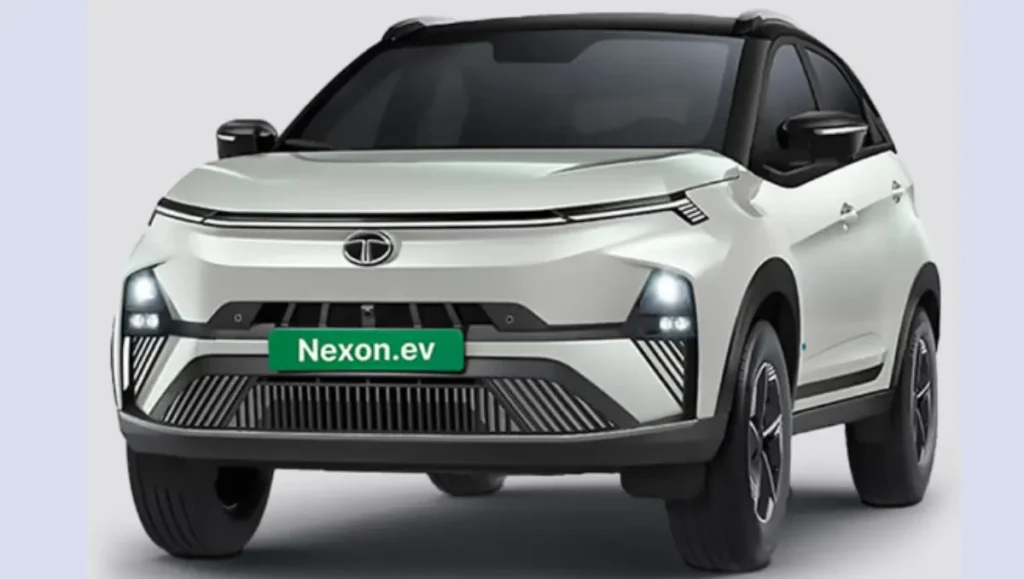
Tata Motors did not land at the top of India’s EV market overnight. Initial wins from the Nexon EV and Tiago EV helped calm worries around range, ownership over time, and resale. The concerns were genuine, particularly when EV adoption was mostly limited to early adopters in larger cities. Instead of rushing out fresh nameplates, Tata spent time improving existing products.
Over time, software updates became noticeably smoother for owners using them daily. Battery performance improved. Service support slowly became more predictable. For that reason, when Tata Motors talks about 5 new EVs by FY2030, it doesn’t land like marketing. It comes across as continuity there.
One advantage that keeps coming up in industry conversations is scale. Tata already sells electric cars not just in metros, but in smaller cities as well. That reach takes years to build. For newer brands, expanding their EV footprint still means building networks from scratch. Tata doesn’t have that problem, which gives it more freedom to introduce new models without reinventing its entire system.
Why the FY2030 Timeline Matters
The FY2030 deadline carries purpose. India’s EV ecosystem is still uneven beyond major urban centers. Charging access differs sharply depending on region and local conditions. Battery costs are improving, but not evenly. Policy clarity is better than before, yet still evolving. Tata Motors Plans 5 New EVs by FY2030 because that window gives space for these gaps to narrow naturally. Rather than rushing launches into a market that may not be ready everywhere, Tata appears to be spacing them out.
By the end of this decade, EV penetration is expected to look very different from today. Buyers who are still hesitant now may not be by then. Automakers that pace their launches alongside that shift tend to stay relevant longer, rather than peaking early and fading.
Tata Motors Plans 5 New EVs by FY2030 and the Upcoming Models
Tata has not put out a neat list of all five vehicles yet, but a few are already clear from public reveals and consistent reporting.
The Sierra EV
The Sierra EV stands out immediately. Bringing back the Sierra badge goes beyond nostalgia alone. Early information indicates it could sit above the Nexon EV, with added interior space, stronger road presence, and a premium feel overall. It is expected around 2025 or 2026, as a dedicated electric platform appears more likely than relying on a petrol based setup.

Tata Avinya EV
Then there is the Avinya range. First shown as a concept, Avinya is expected to become something closer to a sub brand than a single model. The emphasis here appears to be long range capability, modern design, and a quieter, more refined driving experience. Reports place its arrival around 2026, aimed at buyers looking beyond entry level EVs.

Tata Punch EV
The Punch EV also plays a role in this plan. The petrol Punch already has a wide audience, and its electric version helps Tata stay strong in the compact segment. The updates here are expected to emphasise range and efficiency over eye-catching design changes overall.

This still leaves two more EVs to complete the number of five by FY2030.Details are limited, but the expectation is that Tata will avoid clustering everything in one price band. Covering both mid and higher segments reduces risk and keeps the lineup balanced.
Investment and Manufacturing Strategy
Tata Motors Plans 5 New EVs by FY2030 alongside a heavy investment phase. Reports suggest the company is preparing to invest between ₹16000 crore and ₹18000 crore over the second half of this decade. This money is not just for new models. A large portion is expected to go into EV specific platforms, localized components, and battery related improvements.
Dedicated EV architectures allow better use of space, improved safety layouts, and higher efficiency. These are no longer premium expectations. Buyers now assume them as standard, even in mass market EVs.
Manufacturing flexibility is another quiet strength. Tata already builds EVs alongside conventional vehicles, which allows it to scale production based on real demand rather than speculation. That reduces the risk of overproduction if the market slows temporarily.
Charging Network and Ecosystem Growth
Selling electric cars without addressing charging has never worked for long. Tata seems aware of this reality. Amid all this planning, the company has mentioned aiming for close to 1 million charging points by 2030, spread across public locations and home setups over time nationwide gradually.
It does not mean Tata will personally install every single charger. Partnerships, bundled chargers, and coordination with energy providers are expected to handle most of it. For buyers in smaller towns, this broader setup may matter as much as the cars themselves today.
Market Impact and Rising Competition
With Tata Motors lining up 5 EVs for FY2030, pressure is part of the picture now. Maruti Suzuki, Hyundai, Mahindra, and MG are clearly advancing their electric roadmaps within India. Choice will not remain limited in the years ahead from now.
For Tata, defending its lead will depend on execution more than announcements. Pricing, usable range, and service quality will matter far more than brand familiarity. That said, Tata’s early entry and large existing EV customer base give it a buffer that many competitors still lack.
Risks and Uncertainties
Every long term EV strategy carries risk. Battery prices remain unpredictable. Charging growth is still uneven. Buyer expectations are changing quickly, especially around fast charging and highway range.
Tata’s phased approach helps manage these risks. By not locking all five launches into a rigid timeline, the company retains flexibility. Every new EV can evolve based on how buyers respond, rather than what forecasts suggested beforehand.
Conclusion
Tata Motors Plans 5 New EVs by FY2030 is not just a promise made in isolation. It reflects years of groundwork, see through investment, and a clear understanding of how India’s EV market is evolving. With confirmed models like the Sierra EV and Avinya range, along with updates to existing nameplates and additional new launches, Tata is positioning itself for the long game.
If execution matches intent, these 5 EVs could help Tata remain central to India’s electric transition well beyond the end of this decade.
FAQs – Tata Motors Plans 5 New EVs by FY2030
FAQ 1: What does Tata Motors mean by planning 5 new EVs by FY2030?
It means Tata Motors intends to introduce 5 additional electric vehicle models in India before the end of the 2029–2030 financial year. These would be new nameplates or major additions to its existing EV lineup.
FAQ 2: Has Tata Motors confirmed the names of all 5 upcoming EVs?
No. Tata Motors has not released a full list yet. Some models like the Sierra EV and Avinya have been publicly shown or discussed, but details of all 5 vehicles are still limited.
FAQ 3: Why is Tata spreading these EV launches until FY2030 instead of launching them quickly?
India’s EV market is still developing unevenly. Charging access, battery costs, and buyer readiness vary by region. Spacing launches allows Tata to adjust products based on how the market actually evolves.
FAQ 4: Which segments are these new EVs expected to cover?
Based on current information, Tata is expected to cover more than one segment. This may include compact EVs, mid size SUVs, and more premium electric vehicles rather than focusing on just one price band.
FAQ 5: What makes the Sierra EV important in Tata’s EV plans?
The Sierra EV is expected to sit above the Nexon EV and offer more space and a more premium feel. It also signals Tata’s move toward dedicated EV platforms instead of adapted petrol designs.
FAQ 6: What is the Avinya range, and how is it different?
Avinya is expected to be positioned as a more premium EV offering. It focuses on longer range, modern design, and a quieter driving experience, aimed at buyers looking beyond entry level electric cars.
FAQ 7: Will Tata update existing EVs like the Punch EV as well?
Yes. Updates to existing models are expected, mainly around improving range and efficiency. Major design changes are not the primary focus for these updates.
FAQ 8: How much is Tata Motors expected to invest in its EV plans?
Reports suggest Tata Motors may invest between ₹16000 crore and ₹18000 crore over the second half of the decade. This includes spending on platforms, batteries, and manufacturing upgrades.
FAQ 9: Is Tata Motors planning to build 1 million charging points on its own?
No. Tata is expected to rely heavily on partnerships, bundled home chargers, and collaborations with energy providers rather than installing all charging points directly.
FAQ 10: How does rising competition affect Tata’s EV strategy?
Other manufacturers like Maruti Suzuki, Hyundai, Mahindra, and MG are accelerating their EV plans. This makes execution more important for Tata, especially around pricing, real world range, and service support.
—