Tata Motors PV Sales up 26% YTY in November Reflects a Strong Market Finish for 2025
Tata Motors PV Sales up 26% YTY in November 2025, Tata Motors Passenger Vehicles Ltd (TMPV) announced sales of 59,199 units, up sharply from 47,117 units in November 2024.
Here’s a deeper look at what that number means — both for Tata and for you, if you’re thinking about a new car.
Why this 26% Jump Matters
On paper, 59,199 cars in a month may just look like another number. But this one tells a story. Domestic passenger vehicle sales rose to 57,436 units, up 22% year-on-year.
Electric vehicles (EVs) inside that total also saw a big rise: November saw combined domestic + export EV sales at 7,911 units, a 52.1% increase compared to last year.
What that means: demand hasn’t just risen overall — newer powertrains (EV included) are part of the growth. That matters a lot as more buyers look at long-term value, running cost, and future resale.
Exports and international business added to the tally too: about 1,763 units went overseas in November, way up from the 54 units exported in the same month last year. That’s a massive jump (over 3000%) in global shipments by TMPV.
So this isn’t just about domestic buyers — Tata seems to have pulled in orders from multiple fronts.
What Likely Pushed Those Numbers Up
A few things probably came together to make November a good month for Tata:
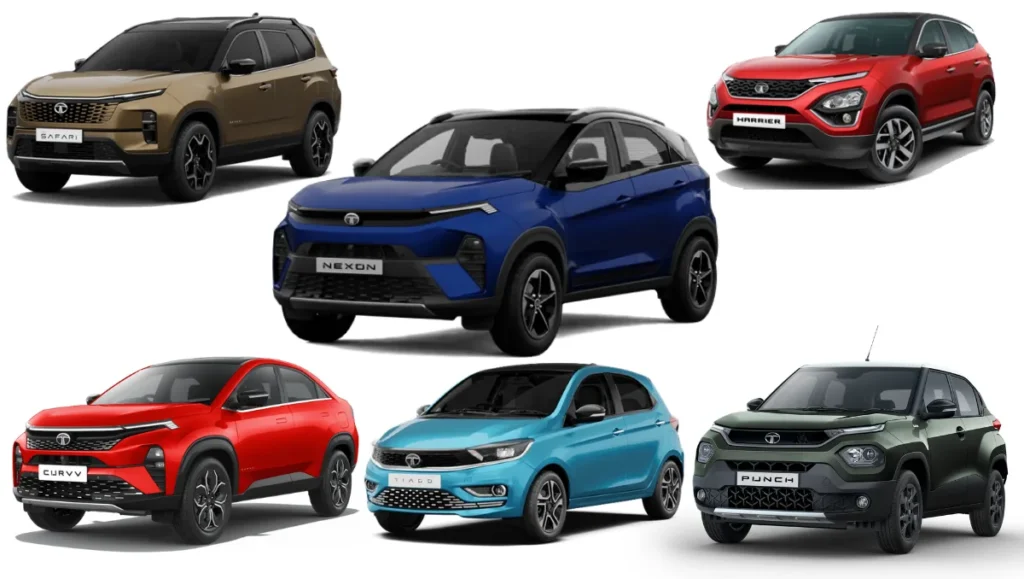
- Demand for SUVs remains strong. Models like Nexon, Punch and Tiago (along with EV versions) continue to draw buyer interest.
- Growing acceptance of EVs and hybrid powertrains — buyers are warming up to long-term savings and lower emissions.
- Stable supply chains — after years of disruptions, many manufacturers, Tata included, seem to have locked in production and deliveries smoothly, enabling them to meet higher demand.
- Export demand regained strength abroad, helping buffer domestic fluctuations.
- End-of-year buying sentiment + festive-season spillover: a lot of people wait until the final months of the year to finalize purchases, and November often benefits from that trend.
Why This is Good News for Buyers Now
If you are shopping for a Tata car today or soon, this upward trend brings a few advantages:
- Higher availability: with higher production and sales, waiting periods may shrink (especially for non-SUV/EV variants).
- Better offers: automakers and dealers often run incentives or financing offers at end-of-year to convert demand into sales — this could work in favour of buyers.
- Confidence in support & resale: strong sales usually translate into better after-sales backups and healthy resale value, especially if EVs and newer models dominate the numbers.
- More choices: as demand sustains across sedans, SUVs and EVs, lineup variety improves. That means there’s a good chance you find a model that matches your budget, needs, and features.
What Remains to Watch
As promising as November’s report is, a few things need attention:
- Sustaining this growth: demand often spikes around year-end with festive and holiday-season purchases. The stability of supply and demand in the coming months will matter.
- Waiting times for hot models / variants: even with improved supply, high-demand SUVs or EV trims might still see queues.
- EV acceptance & infrastructure: rising EV sales are good — but long-term value depends on charging infrastructure, battery performance and maintenance support.
- Pricing & competition: new launches from competitors (other OEMs), changing regulations or incentives could change the dynamics quickly.
Why Industry Watchers Are Paying Attention
This 26% YoY rise by Tata isn’t happening in isolation. The wider industry seems to be picking up pace again — reports suggest many makers expect double-digit returns this quarter.
For Tata, this signals that despite competition and market volatility, its strategy — mix of affordable SUVs, entry-level cars, and EV push — is working.
Investors noticed too: Tata Motors Passenger Vehicles saw renewed interest after the sales announcement, with markets reacting quickly to the strong numbers.
Bottom Line: What This Means for Tata — and for You
Tata Motors PV Sales up 26% YTY in November — that’s not a random monthly bump. It reflects a combination of improved supply, growing EV acceptance, steady SUV demand, and smart export strategy.
For prospective buyers, this could be one of the better windows in recent years — more cars, more variants, and possibly better deals. For industry watchers, it’s a sign that India’s auto market may be stabilizing again after years of uneven demand and supply-chain disruptions.
If you’re in the market for a new car, especially from Tata — November’s performance suggests the time might just be right.
FAQs – Tata Motors PV Sales up 26% YTY in November
FAQ 1. What’s the real story behind Tata’s 26 percent jump in PV sales this November?
Honestly, it’s not one magic reason. A bunch of things lined up at the same time — smoother production, buyers leaning toward SUVs again, and the festive deliveries spilling into November. It’s one of those months where everything simply worked in Tata’s favour.
FAQ 2. Which models actually pulled the numbers up?
If you look at the list, Nexon and Punch kept the momentum going, as usual. Tiago and its EV version also chipped in quietly. Nothing shocking, just the models people have been buying steadily all year.
FAQ 3. How much of the growth came from Tata’s EV push?
Quite a bit more than most would guess. Almost eight thousand EVs went out in November, which is a pretty big jump over last year. It shows that buyers are slowly getting comfortable with electric choices instead of treating them like something experimental.
FAQ 4. What’s up with Tata’s exports suddenly jumping?
That part surprised a few people. From only a few dozen units last November to more than seventeen hundred this time — that’s a huge difference. It’s still small compared to domestic sales, but it’s clear Tata found demand in a few overseas pockets.
FAQ 5. Will this help reduce waiting times for popular models?
In most cases, yes. Higher dispatches usually mean better stock flow. But some of the more popular SUV trims might still make you wait a bit — that story doesn’t change overnight.
FAQ 6. Should buyers expect discounts or deals because of this rise?
You might. Year-end months are usually filled with little incentives here and there, and when sales are moving well, dealers try to keep the run going. Nothing guaranteed, but it’s a good time to check.
FAQ 7. Why are SUVs still dominating Tata’s sales?
People just seem more comfortable with SUVs these days — better road presence, more features, and that higher seating feel. Nexon and Punch have basically turned into go-to picks for a lot of buyers, so it makes sense.
FAQ 8. Can Tata keep up this kind of growth into next month?
Hard to say. November usually rides on festive leftovers. December behaves differently, and January has its own rhythm. We’ll only know after a couple more months whether this is momentum or just a strong seasonal spike.
FAQ 9. Why did investors react quickly to this number?
Because a clean 26 percent rise sounds like stability, and markets love stability. When a company shows strength in both petrol/diesel and EV lines together, investors tend to treat it as a good sign.
FAQ 10. If someone is thinking of buying a Tata car now, does this report matter?
A bit, yes. Strong sales often mean better stock and smoother delivery cycles. And when a brand is doing well, resale value stays healthy too. So it’s not a bad time to be looking at a Tata car.
—