Tata Nexon EV Crosses 1 Lakh Sales as Electric Cars Gain Real Buyers in India
Tata Nexon EV crosses 1 lakh sales milestone comes at a point where electric mobility in India feels balanced but unfinished. EVs are easier to spot on roads now, though they are not present at every traffic signal yet across most cities and highways today. Charging points exist, but planning is still part of ownership. That is exactly why this milestone feels earned. It did not come from hype, flash discounts, or one unusually strong quarter. It came from repeated, careful buying decisions made by families, office commuters, and people who simply wanted lower running costs without turning their routine upside down.

For years, Indian buyers associated large sales numbers with petrol and diesel cars that had lived through multiple generations. Electric vehicles were expected to stay on the margins, bought mainly by early adopters and technology focused users. This milestone quietly challenges that belief. It suggests that many buyers are no longer stuck at the question of whether EVs work in India. Instead, they are thinking about fit, convenience, and long term comfort. That shift matters more than the number itself.
Why This Milestone Feels Different
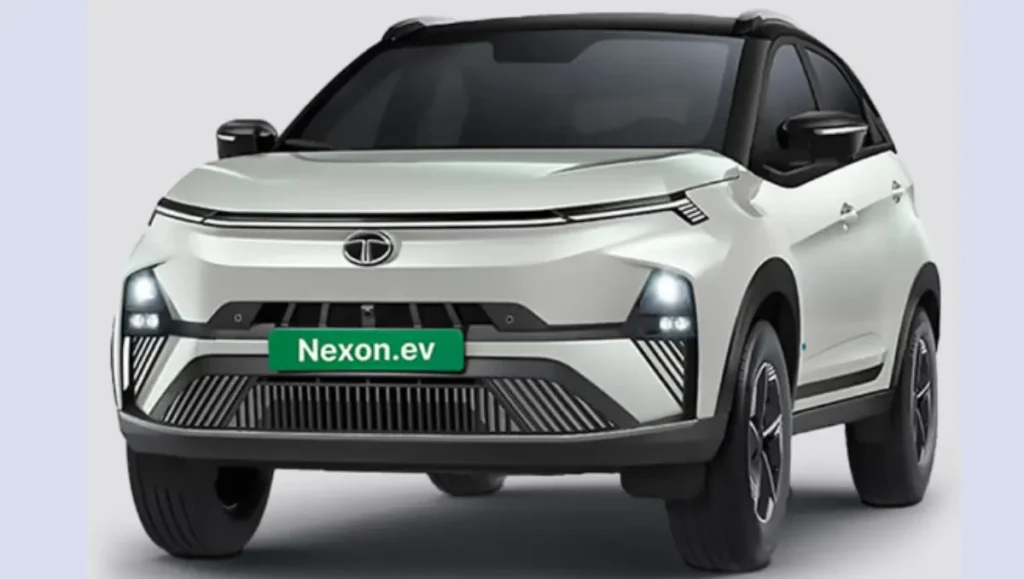
When Tata Nexon EV crosses 1 lakh sales milestone, it signals a deeper change than a standard sales update. In the Indian market, trust builds slowly. Buyers watch how a product behaves across seasons, road conditions, and real ownership stories. The Nexon EV gradually became familiar. It stopped looking like an experiment and started blending into parking lots, apartment basements, and office driveways. That quiet familiarity often says more than marketing campaigns ever can.
The acceptance also came without dramatic promises. There was no push to sell unrealistic range figures or futuristic claims. Instead, the focus stayed on daily usability. This grounded approach helped reduce skepticism and allowed confidence to grow naturally over time.
A Slow and Steady Adoption Curve
The journey behind this achievement was not fast. Early sales were cautious and concentrated mostly in metro cities where charging access and awareness were higher. Buyers outside these areas observed and waited. Over time, charging visibility improved, service experience matured, and ownership stories spread through word of mouth. Software updates addressed early issues, not perfectly, but enough to reassure hesitant buyers.
By the time Tata Nexon EV crosses 1 lakh sales milestone, the car had already lived through Indian summers, heavy traffic, rough patches of road, and long highway drives. That real world exposure mattered. It showed that the vehicle could handle daily Indian conditions without constant attention.
Familiarity Reduced Hesitation
One underrated factor in this story is familiarity. The Nexon name was already known and trusted. Buyers understood its size, stance, and practicality. Choosing the electric version did not feel like stepping into unknown territory. It felt like choosing a familiar car with a different power source. That mental comfort mattered, especially for families who usually avoid experimental purchases.
This familiarity also meant buyers did not feel the need to relearn everything from scratch. Parking, seating, visibility, and general usability felt predictable. That reduced hesitation and allowed adoption to grow steadily without relying heavily on aggressive incentives or fleet driven volumes.
Charging and Ownership Reality
Charging related concerns remain present, but they no longer overshadow conversations like before. Home charging became easier to understand. Apartment associations slowly adapted. Office chargers appeared in limited but useful numbers. Public charging remains inconsistent, yet visibility alone helped reduce fear. Buyers began to accept that planning was part of ownership, not a deal breaker.
Rising fuel prices also influenced thinking. Many households started focusing more on monthly expenses rather than just the purchase price. Electric running costs felt calmer and more predictable. Maintenance expectations appeared lower. Even buyers stretching their budgets found comfort in knowing fuel price swings would not affect them week after week.
Trust in the Manufacturer
Brand trust created added peace of mind. Tata Motors has long belonged in Indian households. That history reduced uncertainty around service continuity and long term support. Buyers assumed parts access would continue and concerns would be resolved instead of brushed aside quietly. For first time EV owners, that belief outweighed promises about maximum range or advanced functions overall today.
This confidence helped move buyers from interest to real decisions, especially in homes where dependability usually outweighs excitement around new ideas.
What It Means for the Wider EV Market
This milestone carries meaning beyond one product. Other manufacturers now see proof that electric cars can sell at scale in India. Charging companies see stronger justification to expand networks. Policymakers gain confidence that incentives and regulations are translating into real ownership rather than surface level interest.
That said, challenges continue, as charging reliability remains uneven across different locations. Battery longevity remains a long term concern. Resale values are still evolving. Tata Nexon EV Crosses 1 lakh sales milestone mark does not remove the challenges still present. What it reflects is buyer willingness to live with flaws when everyday benefits feel genuine, usable, and consistently helpful enough.
Incremental updates helped sustain interest. Improvements in range, features, and variant options kept the product feeling current. Buyers believed the experience would grow over time.
As Tata Nexon EV Crosses 1 lakh sales milestone, it marks a quiet change in thinking. It suggests Indian buyers adopt technology slowly, only when it fits real life needs instead of distant promises. Electric cars have not replaced Indian roads yet, but they now feel normal in everyday conversation, which signals progress beyond what a headline number shows today.
FAQs – Tata Nexon EV crosses 1 lakh Sales milestone
FAQ 1: What does the Tata Nexon EV crosses 1 lakh Sales milestone actually mean?
It means over 1 lakh units of the Nexon EV have been sold in India since launch. For an electric car, this shows steady acceptance rather than short term demand driven by trends.
FAQ 2: Why is this milestone considered important for India’s EV market?
Because electric vehicles in India are still developing. Reaching this number suggests buyers are becoming comfortable with EV ownership for daily use, not just experimentation.
FAQ 3: Did this milestone happen because of heavy discounts or subsidies?
No. The sales growth was gradual. It came from regular buyers making careful decisions over time, not from one aggressive sales period.
FAQ 4: Are electric cars now common across all Indian cities?
Not yet. EVs are more visible than before, but they are still unevenly spread. Larger cities see more EVs compared to smaller towns.
FAQ 5: Is charging still a concern for Nexon EV buyers?
Yes, but less than before. Charging reliability varies by location, and owners still plan their usage. However, it is no longer the main reason people avoid EVs.
FAQ 6: Why did familiarity with the Nexon name help EV adoption?
Buyers already trusted the Nexon as a vehicle. Choosing the electric version felt less risky than buying a completely new and unfamiliar model.
FAQ 7: How did rising fuel prices influence EV buying decisions?
Higher fuel costs pushed buyers to think long term. Electric running costs appeared more predictable, which made EV ownership easier to justify.
FAQ 8: Does this milestone mean EV challenges are solved in India?
No. Issues like charging reliability, battery longevity, and resale value still exist. The milestone shows acceptance, not perfection.
FAQ 9: Who is buying the Tata Nexon EV now?
The buyer base has widened. It includes families, office commuters, small business owners, and buyers from tier 2 cities, not just early adopters.
FAQ 10: What does this milestone suggest about the future of EVs in India?
It suggests EV adoption will continue slowly and steadily. Buyers are willing to shift when technology fits daily life, not just future expectations.
—