Tata Sierra Diesel Variants Lead Early Bookings as Nostalgia Meets Modern Utility
When the first silhouette of the new Sierra was teased, most of the industry was betting on the electric version to be the headline act. But as the order books opened and the dust settled on the initial frenzy, the numbers told a very different story. It turns out that for the Indian car buyer, especially those eyeing a vehicle with this much heritage, there is still no replacement for the torque and long-range confidence of a solid diesel engine. This trend is crystal clear: Tata Sierra Diesel Variants Lead Early Bookings, claiming over 55% of the total reservations made since late 2025.

Walking into a dealership today, you can feel the shift. While the EV version gets the shiny floor space and the petrol trims offer a lower entry price, the serious buyers—the ones planning 800km road trips or mountain climbs—are gravitating toward the 1.5L Kryojet unit. It is a fascinating look at the “real-world” Indian market versus the “regulatory” push. Even in 2026, the oil-burner isn’t just surviving; in the Sierra’s case, it is absolutely thriving.
Why Tata Sierra Diesel Variants Lead Early Bookings Across India
The heavy tilt toward diesel wasn’t exactly a fluke. It’s the result of how people actually use SUVs of this size. The Sierra is a big car. At 4,340mm long and with a ground clearance of 205mm, it has a presence that demands a powertrain with some “meat” on its bones.
The Torque Factor and Real-World Driving
The 1.5L Kryojet diesel engine is the same heart found in the Curvv, but it feels more at home in the Sierra’s boxy frame. The manual’s 118 PS and 260 Nm is a great starting point for the Sierra. Opting for the 6-speed automatic isn’t just a win for your left leg; it’s a win for the spec sheet too. The torque output climbs to 280 Nm here, giving the Sierra that extra bit of “shove” for highway overtakes.
On paper, a 20 Nm difference looks like a minor footnote, but out in the fast lane, it’s a game changer. It’s the difference between having to plan your move three cars back and just putting your foot down for a clean, effortless surge past a slow-moving truck. Petrol engines, even the fancy new turbo ones, often need to be “worked” to get into their power band. The diesel, however, gives you that low-end punch right from 1,500 rpm. For someone who has spent twenty years driving the original Sierra or even an old Safari, that feeling is non-negotiable. That’s a huge part of why Tata Sierra Diesel Variants Lead Early Bookings.
Availability Across the Trim Ladder
Another smart move was making the diesel engine accessible. You aren’t forced into the top-spec ₹21 lakh trim just to get the engine you want. From the base Smart+ at ₹12.99 lakh to the luxury-loaded Accomplished+ AT at ₹21.29 lakh, the diesel is there. It’s a “democratic” engine choice, and the market has responded by picking it more than any other option.
The Competition: A Lone Warrior in a Petrol World
Look at the rivals for a second. The mid-size SUV segment is crowded, but many brands are slowly backing away from diesel or limiting it to manual-only or high-trim-only options. By offering a refined 4-cylinder diesel with a proper automatic transmission, Tata has basically cornered the market for “traditional” SUV enthusiasts.
While the 1.5L naturally aspirated petrol (NA) is great for city runabouts and keeps the starting price low at ₹11.49 lakh, it only accounts for about 25% of the bookings. It’s a “price-leader” engine. Then you have the 1.5L TGDi Hyperion—a powerhouse with 160 PS—but at 20% of bookings, it remains a niche choice for the speed-hungry. It seems the majority of people want the “do-it-all” capability of the diesel, cementing the fact that Tata Sierra Diesel Variants Lead Early Bookings for a reason.
Living with the “Life Space” Concept
Beyond the torque and the tires, the Sierra offers a “Life Space” that’s all about the experience of travel. It’s got that lounge-like vibe with a 5-seater layout that prioritizes rear-seat legroom. You get the big panoramic sunroof (standard on higher trims), the 12.3-inch screens that look like they belong in a luxury sedan, and the Level 2 ADAS suite that actually works well on Indian highways.
Tata didn’t just slap on the Alpine windows for a nostalgia hit; they actually serve a purpose. The greenhouse effect makes the cabin feel massive and airy, which is a massive win for a 5-seater. Pair that visibility with a diesel powertrain that lets you knock out a 700km highway run without constantly hunting for a fuel station, and you’ve got a recipe for a segment leader. The booking numbers aren’t surprising when the math is this good.
Supply Chain Hurdles and Delivery Timelines
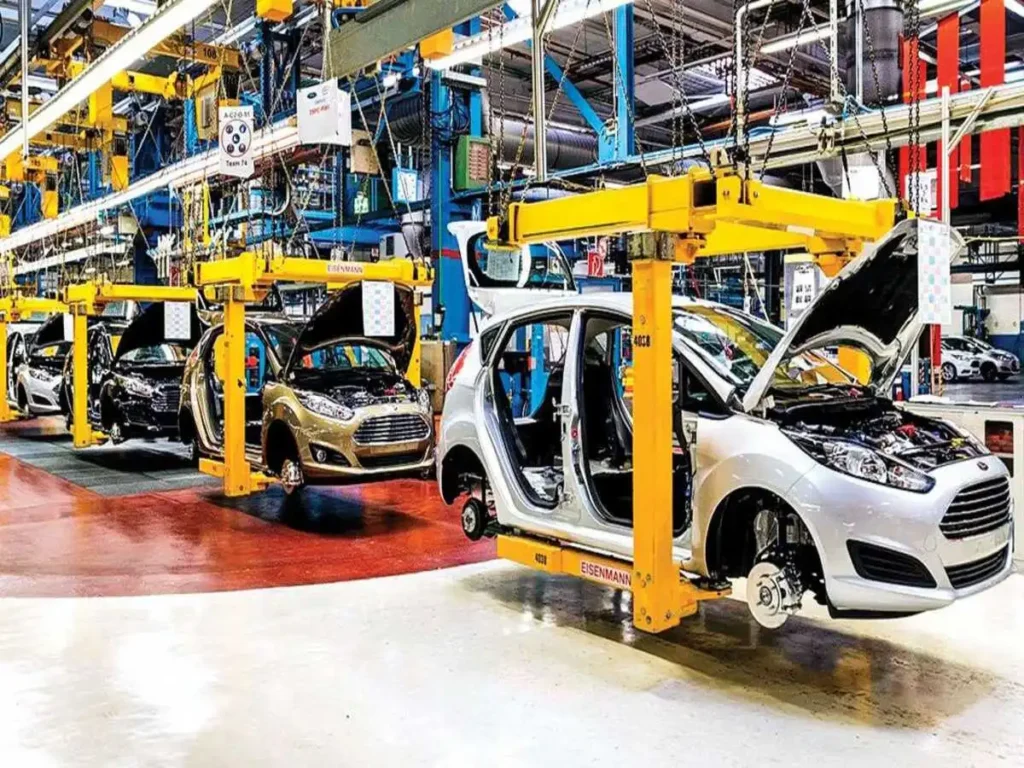
With over 70,000 bookings in the bag within the first day of the window opening, the pressure is now on the Sanand plant. Tata had originally planned for a monthly output of around 7,000 units, but with the diesel demand specifically being so high, they are reportedly looking to scale up toward 15,000 units to keep the waiting periods under six months.
Since the January 15 rollout, the first few hundred Sierras have been putting on some serious miles. The word on the street is that Tata has finally nailed the NVH levels. The engine vibration that used to be a staple of Indian diesels is gone, replaced by a smooth, linear power delivery. It feels like a far more expensive product, proving that the Kryojet isn’t just a marketing name—it’s a real mechanical upgrade.
The Verdict: Why the Diesel Sierra Wins
In a world that is obsessed with the “next big thing,” the Sierra’s early success proves that some things never change. People want an SUV that looks tough, feels premium inside, and doesn’t require a degree in software engineering to understand the range. In an era where every second car launch is about software patches and battery range, the Sierra’s booking numbers feel like a breath of fresh air for the traditionalist.
The industry can push petrol all it wants, but the Sierra’s early success proves that diesel is still the king of the mid-size segment. It’s the engine that gives this SUV its muscle. While the EV variant waits for its turn, the Indian consumer is making one thing very clear: they want their legends with a heavy dose of diesel.
FAQs – Tata Sierra Diesel Variants Lead Early Bookings
1: Why are most people choosing the diesel engine?
It’s the range. Over 55% of buyers want to drive 700km without hunting for a charger or fuel pump.
2: How much torque does the diesel automatic produce?
The 6-speed automatic puts out 280 Nm, which is 20 Nm more than the manual.
3: Is the new diesel engine actually quiet?
Yes. Early drivers from the January 15 rollout say the noise and vibration are way better than old Tata diesels.
4: How far can the Sierra diesel go on a full tank?
Most drivers are seeing a real-world range of nearly 700km on highway runs.
5: What is the entry price for the diesel Sierra?
The diesel range starts at ₹12.99 lakh for the Smart+ base trim.
6: How many people have booked the turbo-petrol version?
About 20% of buyers have opted for the 160 PS Hyperion turbo-petrol engine.
7: What exactly are “Alpine Windows”?
They are the iconic glass wraps from the 90s Sierra. They make the back seat feel huge and let in tons of light.
8: What exactly is the “Life Space” cabin?
It’s Tata’s new lounge-style interior, featuring triple screens and those classic wraparound Alpine windows.
9: Where is Tata building the new Sierra?
It’s being rolled out from their Sanand plant in Gujarat.
10: Is the diesel engine noisy or rough?
Not anymore. Early owners say the NVH levels are much better—it’s smooth and quiet on the move.
—