Cheaper Range Rover? Tata’s JLR Chennai Plant Starts from Feb 9
We are looking at a seismic shift in how luxury cars are sold here. The “Jaguar dream” has historically been dampened by those massive import taxes that saw the sticker price double, turning a premium SUV into a nearly impossible purchase. That changes this week. In a move that signals a massive “Make in India” win, the first luxury vehicles from the British-born, Indian-owned brands are set to roll out of a new home. Tata’s JLR Chennai Plant Starts from Feb 9, and it is expected to bring a fresh level of competition to the luxury SUV segment.

This isn’t just another factory opening; it is a ₹9,000 crore statement of intent. Built in a blistering 16 months, this greenfield site in Panapakkam, Ranipet, is finally ready. When CM M.K. Stalin and Tata Chairman N. Chandrasekaran meet this Monday to open the doors, it’s going to be about a lot more than just a ceremonial ribbon-cutting. They will be launching a new era for the Indian luxury car market where “local” finally means premium.
A Massive Leap: Tata’s JLR Chennai Plant Starts from Feb 9
The big news on everyone’s radar is simple: Tata’s JLR Chennai Plant Starts from Feb 9. But what’s the real takeaway for the person looking to buy one, or for those of us obsessed with the industry? To see the weight of it, look at the math. Tata Motors has committed 90 billion rupees to this project, carving out 470 acres in the SIPCOT complex. When that much money is on the table, things are about to change.
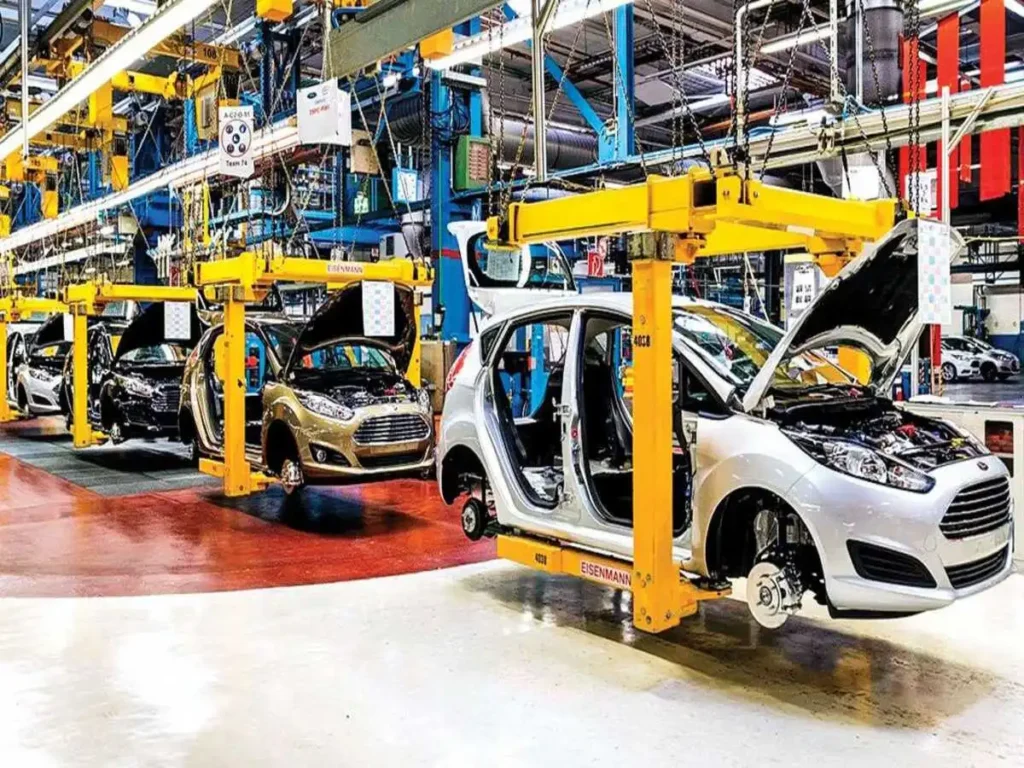
To start with, the plant is sticking strictly to Completely Knocked Down (CKD) assembly. The Range Rover Evoque is widely reported to be the first “star” to roll off the assembly line. By assembling these kits locally instead of importing them as fully built units, the company bypasses the heavy customs taxes that have historically kept luxury SUVs out of reach for many.
There is a certain mechanical honesty in how this plant was conceived. Unlike older facilities that were often repurposed, this is a clean-sheet build. It is designed to be future-proof, with the capacity to scale up to 250,000 vehicles per year. While it starts with JLR models, the facility is flexible enough to produce Tata’s own next-gen passenger vehicles and, more importantly, high-end electric vehicles (EVs).
Why Chennai? The Strategic Masterstroke
Choosing Ranipet, near Chennai, wasn’t an accident. The region is already known as the “Detroit of Asia” for a reason. By setting up Tata’s JLR Chennai Plant Starts from Feb 9, the group is tapping into a massive ecosystem of parts suppliers and logistics experts. Being closer to major ports like Ennore and Chennai also means that the “For the World” part of their strategy is built into the geography.
Shailesh Chandra, the MD at Tata Motors, hasn’t been shy about the capacity issues they’re facing. He recently pointed out that their existing sites, especially the Chakan plant near Pune, are basically hitting a ceiling and running out of usable space. The new Chennai site offers the breathing room required to meet the surging domestic demand for luxury SUVs. It isn’t just about putting cars together; it’s about doing it at a scale that can actually bring down wait times and, eventually, prices.
Will a Chennai-Built Evoque Finally Drop in Price?
But here’s the thing—the part everyone is really thinking about is the price. When we hear that Tata’s JLR Chennai Plant Starts from Feb 9, the first question is always about the wallet. In late 2024, JLR surprised the market by locally assembling the flagship Range Rover and Range Rover Sport, leading to price cuts of up to ₹56 lakh.
With the Evoque spearheading the new Panapakkam site, we’re expecting a massive price correction. Right now, the Evoque feels a bit overpriced, but local assembly could finally make it a real threat to the BMW X3 or Audi Q5. It’s all a game of margins—by shifting production to Tamil Nadu, Tata is essentially handing JLR the weapons it needs to win a high-stakes price war.
Sustainability and the “Zero Series” Mindset
One thing that often gets lost in the talk of horsepower and torque is the soul of the factory itself. We’re looking at a facility powered entirely by renewables. Forget the typical greenwashing you see elsewhere—this is a hard requirement for JLR if they actually plan on leading the luxury EV world by 2030.
This plant isn’t just about output; it’s about shifting the group’s DNA toward social sustainability. Chairman Chandrasekaran has pushed for a heavy female workforce across the board, taking a page out of the “all-women” assembly playbook that already works so well at other Tata sites. It’s an unpolished, raw commitment to changing how cars are made in India. There is no corporate clutter here—just a high-tech, lean, and green machine ready to pump out some of the world’s most desirable SUVs.
Technical Specifications and Capacity
The sheer scale of the plant is hard to grasp until you see the spec sheet of the facility itself:
| Feature | Details |
| Total Investment | ₹9,000 Crore (approx. $1 Billion) |
| Annual Capacity | 250,000 Vehicles (at full ramp-up) |
| Land Area | 470 Acres (Part of 1,200-acre SIPCOT site) |
| Initial Focus | Range Rover Evoque (CKD Assembly) |
| Employment | 5,000+ Direct and Indirect Jobs |
| Launch Date | February 9, 2026 |
The fact that Tata’s JLR Chennai Plant Starts from Feb 9 is just the beginning of a five-to-seven-year ramp-up. While the Evoque is starting small with maybe 10,000 units for local buyers, the real play here is global. The long-term strategy is to use this site as a massive launchpad for shipping luxury cars to international markets.
How 2026 Will Shape JLR’s Future
Don’t get it twisted—the Feb 9 launch is just Phase 1. You aren’t going to see 250,000 cars flying out of the factory by March. The “Zero Series” is their way of saying they’re obsessed with the details; it’s a slow-speed start to make sure the quality is 100%. Tata is playing the long game. They aren’t just buying a soul for their luxury brand; they are building it on Indian soil.
This move effectively centralizes JLR’s Indian operations in a modern hub. While the Pune plant will likely continue its operations for now, the future clearly belongs to Chennai. If you’ve ever found the luxury car market in India a bit “anemic” or overpriced, this Suter-tuned… wait, wrong brand… this JLR-tuned powerhouse in Tamil Nadu is the cure.
Tata’s JLR Chennai Plant Starts from Feb 9, marking a moment where the “Made in India” tag becomes a badge of luxury. It’s aggressive, it’s bold, and it’s exactly what the market needs right now to shake up the status quo.
FAQs – Cheaper Range Rover? Tata’s JLR Chennai Plant Starts from Feb 9
1: When does the JLR Chennai plant actually open?
This Monday, Feb 9, 2026. CM M.K. Stalin and Tata’s Chairman are heading to Panapakkam to cut the ribbon and officially start things up.
2: Which car are they building first?
The Range Rover Evoque. It’s starting as a CKD (Completely Knocked Down) assembly, meaning they’re putting together imported kits right there in the new facility.
3: Will the prices of Range Rovers drop?
Most likely. By assembling in Tamil Nadu, they bypass those massive 100% import taxes. We’ve seen other models drop by as much as ₹50 lakh once they went local, so expect a much better deal.
4: How much did Tata spend on this project?
They dropped a massive ₹9,000 crore on it. It’s a huge, 470-acre spot in Ranipet built to handle JLR’s growth for the next decade.
5: Is the Pune factory closing?
No, Chakan stays open. The issue is simply that Pune is out of room. This new Chennai hub gives them the “breathing room” they need to scale up.
6: How many cars can the plant make?
Once it’s fully ramped up, the capacity is 250,000 vehicles a year. It’ll take time to reach that number, but the scale is enormous.
7: Are they going to make electric cars here?
Yes, that’s a big part of the plan. The facility is future-proofed for EVs because JLR wants to lead the luxury electric world by 2030.
8: Where exactly is the factory located?
It’s inside the SIPCOT industrial complex in Panapakkam, Ranipet. It’s a smart location because it’s so close to major shipping ports.
9: How many people will work there?
About 5,000 jobs are being created. Tata is also pushing for a high percentage of women on the floor, following the same model they use at their other sites.
10: Is the factory eco-friendly?
Surprisingly, yes. It’s rigged to run on 100% renewable energy from day one. It’s a core part of their 2030 green goals, not just corporate talk.
—