
Elon Musk Buys $1 Billion of Tesla Stock Prior to Historic Pay Package Vote
Elon Musk is back in the news, but not due to his grandiose statements or cutting-edge ventures. Rather, it is for a huge personal investment in Tesla itself. This was revealed in a regulatory filing that states the billionaire CEO bought over 2.5 million shares of Tesla stock valued at approximately $1 billion. The action, taken on Sept. 12 through a trust, comes at a pivotal time for the electric vehicle manufacturer as it heads into one of the most significant shareholder votes in its history.
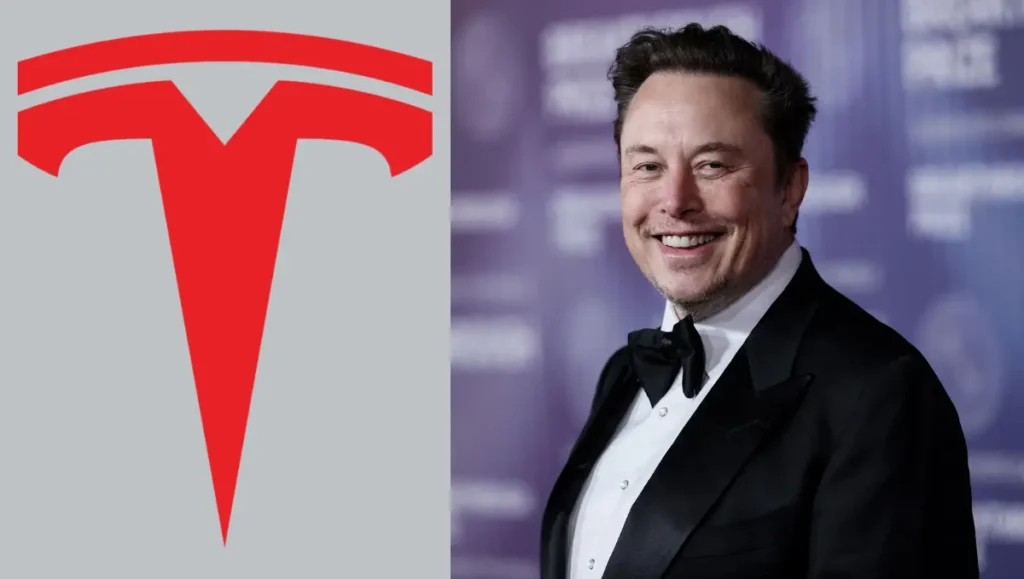
A Billion-Dollar Bet on Tesla’s Future
The news of Musk’s massive stock buy instantly grabbed the market’s attention. Tesla shares jumped as much as 7.3% in pre-market trading upon the announcement, a much-needed lift to a stock that has underperformed for most of 2025. Investors and analysts see this as something more than a simple money move. It is a strong statement by Musk that he has faith in Tesla’s long-term growth prospects, no matter what difficulties persist.
The timing is everything for the shareholders. Tesla is preparing for a high-stakes Nov. 6, 2025, vote in which investors will consider a plan to give Musk a proposed pay package. If it passes, the plan would have a chance to make him the world’s first trillion-dollar executive. Musk’s purchase of such a large quantity of stock so close to the vote is being read as both a confidence builder and an effort to shore up investor confidence.
Inside the Suggested Trillion-Dollar Pay Package
Tesla’s compensation package for Musk is not any ordinary executive compensation scheme. It is set up entirely in stock instead of cash and directly connects Musk’s compensation to Tesla’s performance. If approved by shareholders, Musk may receive shares worth approximately 12% of the company. The shares will be paid out in 12 discrete tranches, and each tranche will be released only if Tesla achieves aggressive performance targets.
The milestones are linked to three central areas: production milestones, profitability, and market cap. To illustrate, the initial tranche, which is 1% of Tesla, will only be released if the company achieves a market capitalization of \\$2 trillion and certain operational milestones. Currently, Tesla stands at just shy of \\$1 trillion, so the company would have to double in value to reach this milestone.
To unlock the entire package, Tesla’s valuation would need to shoot up to an unprecedented $8.5 trillion. To put that in context, that would be more than double the valuation of Nvidia, the most valuable company in the world right now. If Musk succeeds in meeting all these objectives, he may become the first boss in history with a trillion-dollar fortune directly linked to company performance.
Why Musk’s Purchase Matters Now
Tesla’s journey in 2025 has not been smooth. The company has encountered several headwinds, such as weakening electric vehicle demand in significant markets like Europe and North America. The competition has increased, with Detroit automakers fast-tracking their EV debuts and Chinese players aggressively discounting their cars to gain global market share.
Piling on the pressure are political considerations. Musk’s strong support of former U.S. President Donald Trump has caused controversy and sparked backlash among some purchasers. In addition to that, investors have increasingly been concerned about Musk’s numerous obligations beyond Tesla, from his space ventures to his role in Washington policymaking.
In this context, Musk’s $1 billion buy is a strong message to the market. By investing his own capital, Musk is sending the message that he remains totally committed to the long-term vision of Tesla. For retail investors and institutional investors alike, it is a brazen guarantee at a time when faith in the company has been shaken.
What’s Next for Tesla and Its Investors
The coming November 6 shareholders’ vote promises to be a turning point for Tesla. If it goes through, Musk’s pay package would not just redefine executive compensation rules but propel Tesla onto one of the most aggressive corporate growth trajectories ever undertaken. Proponents note that making Musk’s compensation performance-based guarantees that his interests are perfectly aligned with shareholders. The critics are concerned, though, about share dilution and whether the goals are within reach.
In the short term, Musk’s purchase has put optimism into Tesla’s share price, aiding in the restoration of some market confidence. But the real test is yet to come. Tesla needs not only to increase production and sales substantially but also maintain profitability as it navigates an increasingly crowded electric vehicle market. Meanwhile, Musk has to assure investors that he can remain committed to Tesla, while his other ventures need attention.
The Bigger Picture
This is bigger than Musk or Tesla. It is about the changing dynamic between visionary leadership, shareholder expectations, and corporate governance. If Musk gets approval and achieves the aggressive targets, it will create a new benchmark for how performance-based pay is done at the world’s largest companies.
Meanwhile, if the plan doesn’t work—either at the polls or in practice—it might unleash punitive scrutiny of Tesla’s corporate governance and the prospects of its founder’s future at the helm. For the moment, however, one thing is certain: Musk has wagered his bet on a billion-dollar deal, and the world will be watching intently to determine if Tesla’s next act can live up to its hype.
Conclusion
Elon Musk’s $1 billion stock buy is not merely an investment. It is a strong statement of faith in Tesla during a moment when the company is under stress. With this coming shareholder vote in November, Tesla is facing one of the most critical moments in its history. If the bold pay package is approved, Musk may become the first trillion-dollar executive—but only if Tesla produces phenomenal results. Until then, the investors will be keeping a close eye on all his moves as Musk keeps betting big on electric mobility’s future.
—