Trump Approves Tiny cars to be built in America — The Surprising Shift No One Saw Coming
Trump Approves Tiny cars to be built in America and the idea of compact, efficient micro-cars on U.S. roads sparked a combination of curiosity and caution. The idea of ultra-compact vehicles rolling off U.S. assembly lines feels bold, unexpected, and packed with possibilities that could reshape affordability, efficiency, and urban mobility.
Here’s a closer look at what’s really going on, and whether these little vehicles might actually find a place in America’s car-loving culture.
What Trump’s Announcement Actually Says
In a post on his social media platform, Trump declared: I have just approved TINY CARS to be built in America. He described the cars — inspired by the small, popular vehicles commonly seen in Japan — as “inexpensive, safe, fuel efficient” and even “AMAZING. According to reports, these tiny cars could run on gasoline, electric, or hybrid powertrains.
During a recent trip to Asia, Trump said he was impressed by so-called kei cars — ultra-compact vehicles that dominate much of Japan’s market. They’re very small, they’re really cute, he said, questioning why such cars were not allowed to be manufactured and sold in America. He then directed the authorities to clear regulatory hurdles, opening the possibility for domestic production.
In short: Trump aims to change U.S. automobile rules to allow micro-cars — previously impractical under American safety and emissions norms — to be made in U.S. factories and sold to American buyers.
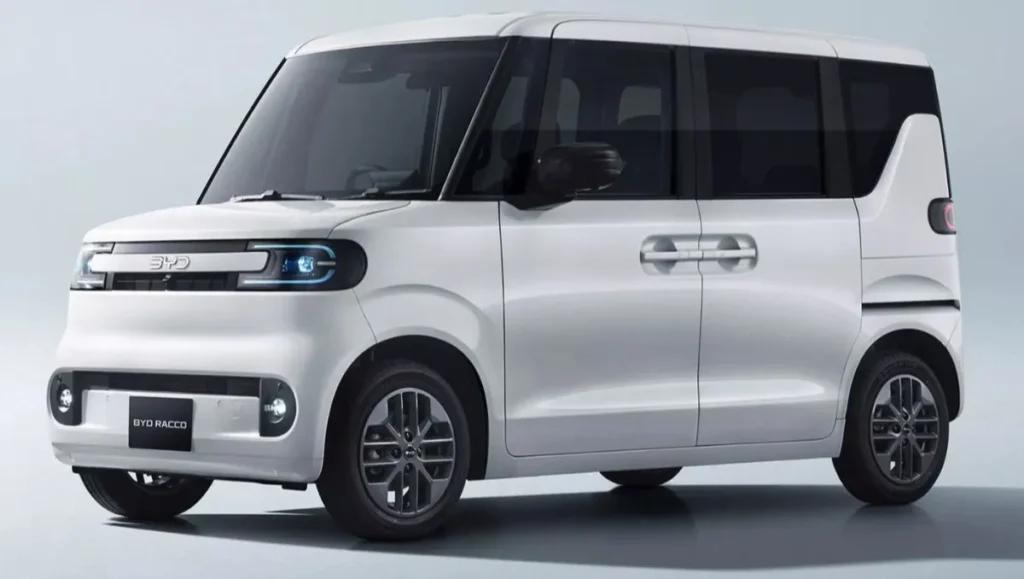
The Appeal of Tiny Cars
Why bother with tiny cars at all? There are a few compelling arguments:
- Affordability & Fuel Efficiency: In Japan and other countries, “kei cars” have long been popular thanks to their low purchase cost, compact size, and excellent fuel economy. In the U.S., where the average new car price hovers around $50,000, a small compact car could offer a far cheaper alternative.
- Environmental and Urban Advantages: Smaller cars use less materials, consume less fuel, and are easier to maneuver and park — a potential benefit for city dwellers or environmentally conscious buyers. With the option of electric or hybrid powertrains, they could also reduce per-vehicle emissions.
- Consumer Choice: U.S. carmakers have for years focused heavily on large SUVs and trucks. The introduction of tiny cars might revive the compact/ subcompact segment — giving buyers smarter, cheaper alternatives.
For some consumers, a tiny car could make sense: fewer running costs, easier parking, and reduced environmental footprint.
Major Challenges: Why Tiny Cars Could Struggle in the U.S. but the idea still faces significant obstacles.
Safety and Regulatory Hurdles
Vehicles in the U.S. must meet stringent safety and emissions regulations. Micro-cars from Asia, including kei cars, often don’t measure up to American crash-safety standards. To make them legal in U.S. markets, regulators might need to revise or grant exemptions to dozens of existing rules — a complex, time-consuming, and politically sensitive process.
Transportation regulators also appear unprepared: according to reports, U.S. Department of Transportation officials including Sean P. Duffy seemed surprised by Trump’s announcement.
Economics: Will They Even Be Cheap?
Building tiny cars in America might seem like a recipe for cheap vehicles — but high labor costs and stricter safety modifications could drive prices up, negating some of the cost advantage. According to auto-industry analyses, these cars may end up pricier than their overseas counterparts, undermining part of their original appeal.
Cultural and Market Preferences
American consumers have historically favored larger cars, SUVs, and trucks. Tiny micro-cars — often much smaller than even a compact sedan — might struggle to attract U.S. buyers used to spacious interiors, powerful engines, and long-distance comfort.
Past attempts at selling minis or microcars in the U.S., such as the now-discontinued models from foreign marques, have often failed due to lack of demand.
What Experts Are Saying — Mixed Verdict
Many automotive analysts and regulators appear skeptical about the practical implementation of the plan. According to one detailed review, while the idea of “tiny cars made in America” is glamorous, it might amount to little more than political theater rather than a realistic policy shift.
For example, even if regulations are relaxed, carmakers may have little incentive to invest in new very-small-car platforms — especially when SUVs and trucks remain far more profitable.
Moreover, even if such vehicles are built, continued skepticism remains about whether consumers — who prioritize size, safety, and performance — will embrace them. As some reports observed, small cars may simply not suit U.S. driving habits, where long distances and highways are common.
What “Trump Approves Tiny cars to be built in America” Could Mean — If It Happens
If this plan does move forward successfully, it could bring a number of changes to the American auto market:
- A new category of affordable, efficient micro-cars — particularly appealing to urban drivers, young people, or those seeking second cars for short-distance commuting.
- Pressure on existing automakers to diversify their offerings beyond SUVs and trucks — possibly reviving interest in small-car platforms.
- A shift in the regulatory landscape: if U.S. lasts embrace micro-cars, it may require rewriting parts of automobile safety and emissions standards, or creating special categories for micro/minicars.
- Environmental benefits (if many buyers opt for electric/hybrid versions), especially in urban areas struggling with congestion and pollution.
Yet, equally possible is a scenario where the plan slows, stalls, or morphs into a niche market — maybe limited imports, specialized urban models, or hobbyist options rather than mass-market vehicles.
Conclusion — A Bold Idea, but Reality Might Bite
Trump Approves Tiny cars to be built in America – the idea of cute, efficient, and inexpensive micro-cars rolling off American assembly lines feels like a throwback to simpler automotive times. And on paper, there are clear benefits: affordability, efficiency, and diversification of consumer options.
But the road from announcement to reality is paved with very real and serious challenges: regulatory overhaul, safety standards, consumer preferences, cost economics, and corporate willingness — all of which may blunt or even stop the initiative.
At this point, the proposal serves more as a symbol: part of a broader push for deregulation, domestic manufacturing, and consumer-friendly messaging. Whether it ends up producing actual tiny cars on American roads remains to be seen.
For now, I’d describe the proposal as a bold — almost whimsical — policy gesture. It’s a nod to smaller, smarter mobility, but it may remain more wishful thinking than everyday driving for millions of Americans.
FAQs – Trump Approves Tiny cars to be built in America
1: Why did Trump Approve Tiny cars to be built in America in the first place?
The idea came after Trump’s visit to Asia, where he saw the popularity of small Japanese kei cars. He felt the U.S. should have similar affordable, ultra-compact options and pushed regulators to explore ways to allow these vehicles to be made domestically.
2: Are these tiny cars the same as Japan’s kei cars?
Not exactly. They’re inspired by kei cars, but any American version would need modifications to meet U.S. rules. The basic concept — compact size, efficiency, low running costs — is similar, but details could change depending on regulations and manufacturer choices.
3: Will tiny cars actually be inexpensive in the U.S.?
They might be, but there’s no guarantee. American labor costs and stricter safety expectations could raise prices. What looks cheap in Japan may end up more expensive once it’s built under U.S. manufacturing conditions.
4: Are tiny cars safe enough for American roads?
Safety remains one of the biggest concerns. Current kei-style cars don’t meet U.S. crash standards, especially for highway use. To become legal, they would require design upgrades, exemptions, or new regulatory categories — all of which complicate their rollout.
5: How soon could we see tiny cars built in America?
There’s no confirmed timeline. Trump’s announcement signals interest, but without updated rules or formal guidance from the Department of Transportation, the process could take years or move slowly depending on political momentum.
6: Will automakers want to build tiny cars in the U.S.?
Many experts doubt it. American buyers overwhelmingly prefer SUVs and trucks, which are more profitable for manufacturers. Unless demand grows for smaller cars, automakers may hesitate to invest in new micro-car platforms.
7: What benefits could tiny cars bring to U.S. cities?
For urban drivers, these cars could ease parking issues, reduce fuel costs, and shrink congestion. Electric versions could also help lower emissions in dense areas where pollution and traffic problems already exist.
8: Could these micro-cars work for long-distance American travel?
Probably not for most people. Tiny cars are built for short trips and city driving, not cross-country travel or high-speed highways. Americans who often drive long distances may find them uncomfortable or underpowered.
9: Would tiny cars replace traditional small sedans or hatchbacks?
They’re more likely to become a niche option rather than a replacement. A micro-car category would simply add another choice — ideal for some commuters but not a match for families or long-range drivers.
10: Is the approval of tiny cars in America guaranteed to happen?
No. While the headline “Trump Approves Tiny cars to be built in America” sounds definitive, much depends on regulatory follow-through, industry willingness, and consumer interest. It’s possible the idea moves forward — but just as possible it stalls or becomes symbolic.
—