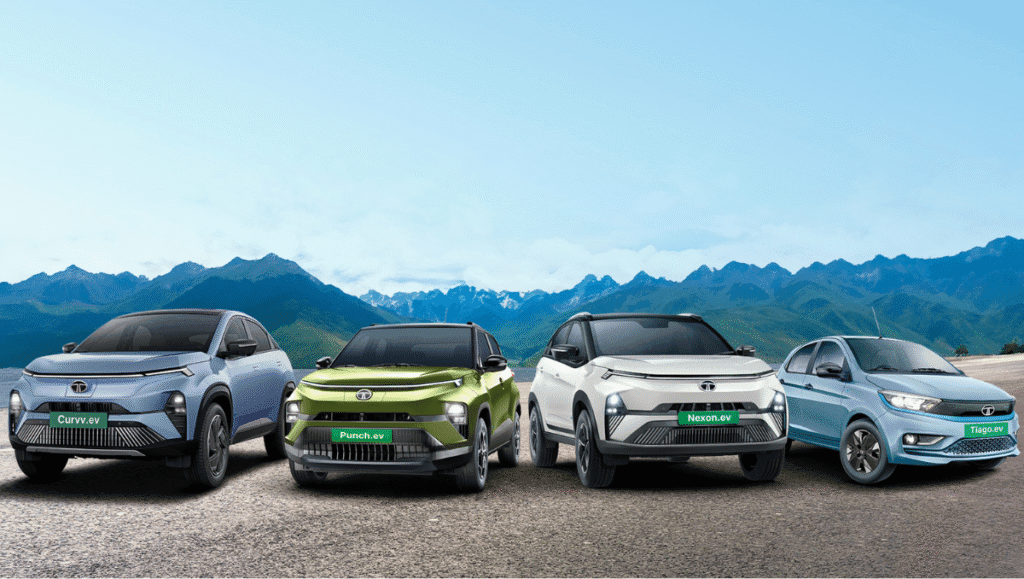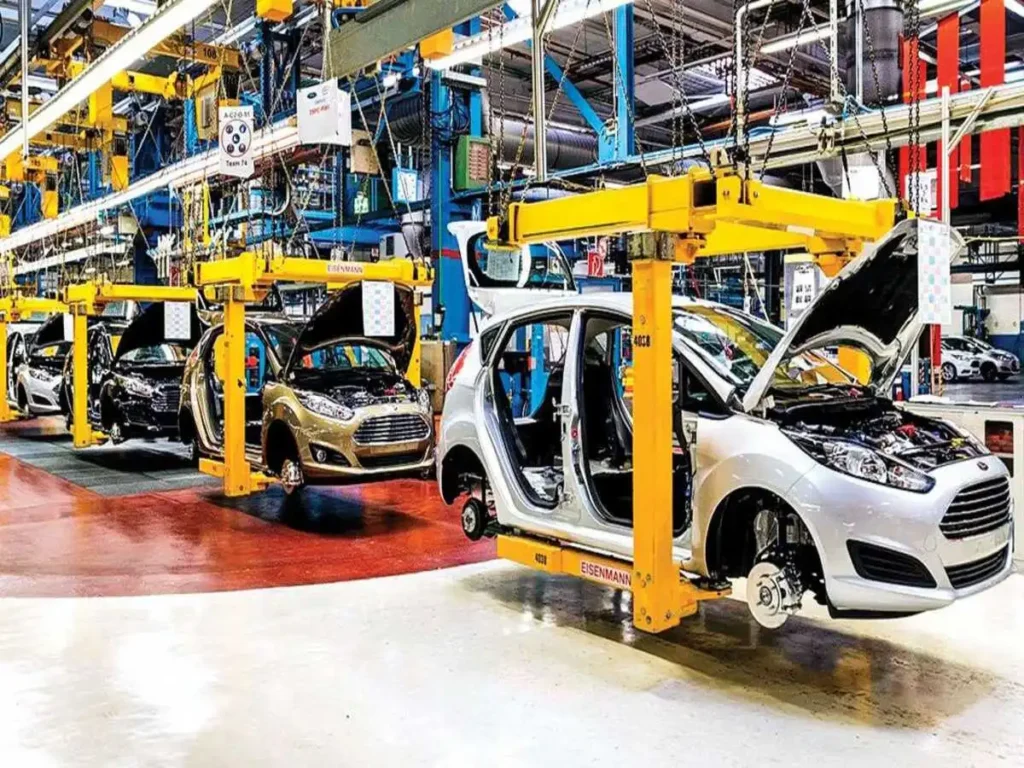
India’s Vehicle Retail Sales Hit All-time High in October 2025.
India’s vehicle retail sales hit all-time high in October 2025, marking a historic milestone in the nation’s automobile industry. Data released by FADA revealed overall vehicle retail sales hit all-time high by 40.5% on a yearly basis to over 4.2 million units, an all-time high monthly total on record in the auto retail history of the nation.
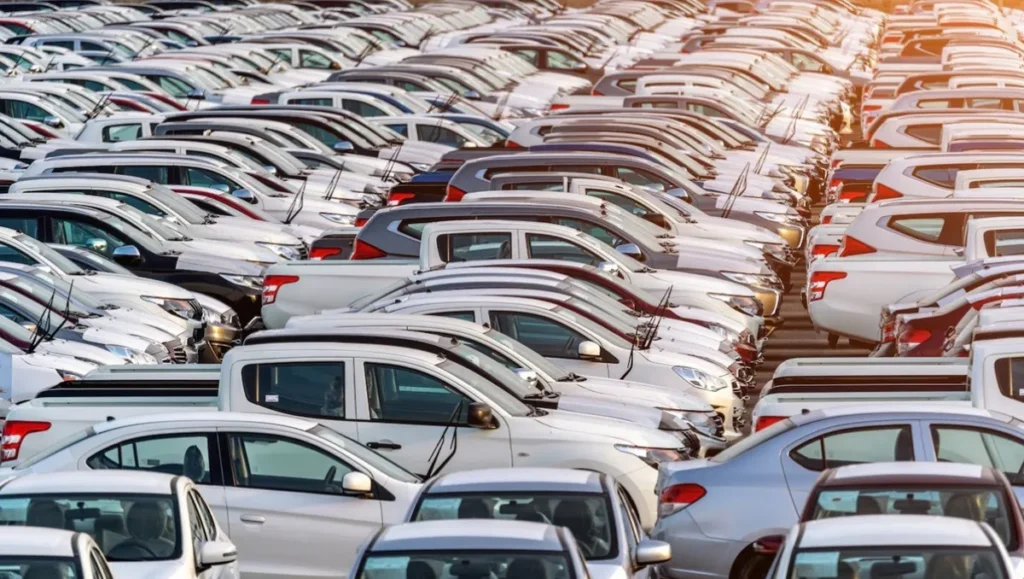
This surge came on the back of GST 2.0 reforms, festive season demand, and a strong resurgence coming from rural India-all of which combined to create the perfect storm for record-breaking growth.
GST Reforms Mark Historic Surge in Auto Retail
The new GST 2.0 regime, effective from September 22, 2025, rationalized tax structures and reduced levies on entry-level two-wheelers and cars from 28% to 18%. This proved to be a game changer for the price-sensitive segments of the auto industry.
FADA President C. S. Vigneshwar termed October 2025 a “landmark month for India’s auto retail,” where reforms, festivities, and rural resurgence converged to deliver extraordinary results. The recent tax cut has made vehicle ownership more affordable for first-time buyers, thus boosting confidence and driving demand across the country.
Sales in the first 21 days of September were muted owing to the GST transition period. The market once the reform was in place saw a sharp rebound. Due to the resultant lower taxes, festive offers, and high consumer sentiment, vehicle retail sales hit all-time high, reached unprecedented levels.
Rural India powers record growth
A powerful comeback of rural demand was one of the major reasons that helped vehicle retail sales hit all-time high. Rural India, backed by a favorable monsoon, higher farm incomes, and infrastructure-driven employment, emerged as the true growth engine for the sector.
According to FADA, while PV sales in rural areas grew three times faster than urban centers, two-wheelers almost doubled the growth rate compared with their urban peers. This was indeed a rural resurgence, marking a structural shift in India’s automobile demand map and reflecting the growing purchasing power beyond metropolitan cities.
“The story of the month was Bharat’s emergence,” said Vigneshwar, a colloquial reference to India’s smaller towns and villages. “Rural India is turning out to be a true growth engine with favorable monsoons, higher farm incomes and the government infrastructure push driving purchasing power.
Segment-wise Performance: Two-Wheelers Lead the Charge
October 2025 vehicle retail sales hit all-time high on every vehicle category. Leading the pack were two-wheelers, with sales jumping 51.76% year-on-year to 3.15 million units. Sales for passenger vehicles increased by 11.35% at 557,000 units, while commercial vehicles went up 17.7%, three-wheelers by 5.4%, tractors by 14.2%, and construction equipment by 30.5%.
The reduction in GST and festive enthusiasm helped the two-wheeler segment, the backbone of rural mobility. While Hero MotoCorp continued to lead the pack with 72% growth, Honda Motorcycle and Scooter India followed with 48%, and TVS Motor Company with 58% YoY growth.
In the passenger vehicles market, Maruti Suzuki continued to lead with an 18% increase in sales at 239,000 units, followed by Tata Motors (up 13%) and Mahindra & Mahindra (up 9%).
Festive Season Delivers Record Highs
The 42-day festive period-which includes Dussehra and Diwali-is what helped the overall vehicle retail sales hit all-time high. Total retail sales increased 21% year-on-year, driven by a 22% jump in two-wheelers and a 23% rise in passenger vehicles.
“The 2025 festive season delivered the highest ever sales and growth across all categories,” said Vigneshwar. “It affirmed the success of the government’s transformative GST reforms, which truly embodied the spirit of simpler tax and stronger growth.”
Dealerships also reported a marked improvement in inventory management, with a decline of 5-7 days in PV inventory levels, thus reflecting a healthy supply-demand balance.
Stronger Economic Underpinning Boosts Domestic Demand
Industry experts believe that this record-breaking month signals more than just a short-term boost; it reflects a broad-based recovery in domestic consumption.
Private consumption now comprises more than 60% of India’s GDP, compared to developed economies like the U.S. and U.K. With exports facing headwinds due to U.S. tariffs on Indian goods, rising domestic demand has become an important stabilizer for India’s economy.
Headlining this resurgence is the automotive sector, which makes up 7.1% of India’s GDP and about half of the country’s manufacturing output. Analysts believe sustained retail growth will help cushion India’s economy from external shocks, particularly in 2026.
Looking Ahead: Sustained Growth Expected
FADA said it expects this momentum to continue through the end of 2025 and the beginning of 2026, on the back of harvest-linked cash flows, weddings, and new vehicle launches.
“The growth we are witnessing is not a one-time spike; it’s a reflection of changing consumer confidence and affordability,” said Vigneshwar. “With policy stability, rural prosperity, and innovation in the auto market, we expect continued strong performance in the coming months.”
A combination of policy reform, rising rural prosperity, and pent-up demand has transformed India’s auto landscape. vehicle retail sales hit all-time high have marked not just a high point in the history of the industry but also signaled the beginning of a new era for the Indian automotive sector.
Why Vehicle Retail Sales Hit All-Time High in October 2025
To sum up, vehicle retail sales hit all-time high, on the back of a perfect mix of factors: a simplified GST 2.0 reform, record rural demand, and the spending momentum of the festive season. Results underline the convergence of effective policymaking, economic recovery, and consumer optimism in driving lasting growth in India’s automobile market.
October 2025 will be remembered as a point of inflection for India’s automotive industry-a month when good policy met good prosperity, and the road ahead turned brighter than ever-with manufacturers expanding capacity and dealers witnessing unprecedented demand.
FAQs – India’s Vehicle Retail Sales Hit All-Time High in October 2025
1. What does it mean that vehicle retail sales hit an all-time high in October 2025?
This means India clocked the highest-ever monthly vehicle retail sales ever in October 2025, according to data from FADA. Total sales increased 40.5% year-over-year to well over 4.2 million units, which is a historic feat for the Indian auto sector.
2. What were the factors that contributed to the vehicle retail sales hit all-time high for October 2025?
These three key drivers were the rollout of GST 2.0 reforms that lowered taxes on small cars and two-wheelers, continued robust rural demand buoyed by good monsoons and farm incomes, and high festive season spending during Dussehra and Diwali.
3. How did the GST 2.0 reform affect vehicle sales?
The new GST 2.0 regime, effective from September 22, 2025, reduced tax rates on entry-level two-wheelers and small cars from 28% to 18%. This increased the affordability of vehicle ownership for first-time buyers, leading to higher sales in both rural and urban areas.
4. Which segments of vehicles represented the biggest growth in October 2025?
The growth was primarily led by two-wheelers at 51.76% year on year, followed by passenger vehicles at 11.35%. Commercial vehicles grew 17.7%, tractors by 14.2%, and three-wheelers by 5.4%. Construction equipment grew 30.5% on a YoY basis.
5. To what extent did rural India contribute towards the vehicle retail sales hit all-time high?
And rural India was no laggard. Sales of passenger vehicles in rural areas grew at three times the rate in urban regions, while two-wheeler sales almost doubled urban growth rates. The reasons: growing agricultural income, increased government infrastructure initiatives, and even better rural cash flow.
6. Which carmakers gained most from the sales surge?
Among passenger vehicle manufacturers, Maruti Suzuki led with an 18% rise in sales, followed by Tata Motors with 13% and Mahindra & Mahindra with 9%. In two-wheelers, Hero MotoCorp witnessed the biggest growth at 72%, followed by Honda Motorcycle and Scooter India at 48% and TVS Motor at 58%.
7. How did the festive season play a part in the record sales?
The festive period of 42 days, which included Dussehra and Diwali, worked as a catalyst for vehicle sales. Overall retail sales in the said period recorded 21% year-on-year growth, with 23% for passenger vehicles and 22% for two-wheelers. Festive offers and consumer sentiments pushed up the sales momentum.
8. How did the automobile sector contribute to India’s economy in that period?
The auto industry accounts for about 7.1% of India’s GDP and approximately half of the manufacturing output. Record retail sales in October 2025 reflected strong consumer confidence and helped strengthen domestic demand at a time when export markets were slowing.
9. What does FADA foresee beyond October 2025 in the Indian automobile industry?
FADA sees this strength continuing into the rest of 2025 and the beginning of 2026, driven by harvest-linked cash flow, wedding season demand, and new model launches. The industry is reportedly spotlighting sustained growth on the back of rural prosperity and consumer affordability.
10. Why is October 2025 considered a turning point for India’s auto retail sector?
October 2025 becomes a defining moment as it puts together the success of tax reforms, supportive economic conditions, and rural resurgence to translate into record growth. It marked the beginning of a new era in stability and expansion for India’s automobile market.
—