VinFast to Enter Electric Scooter Market in 2026 — what It Means for India’s EV Scene
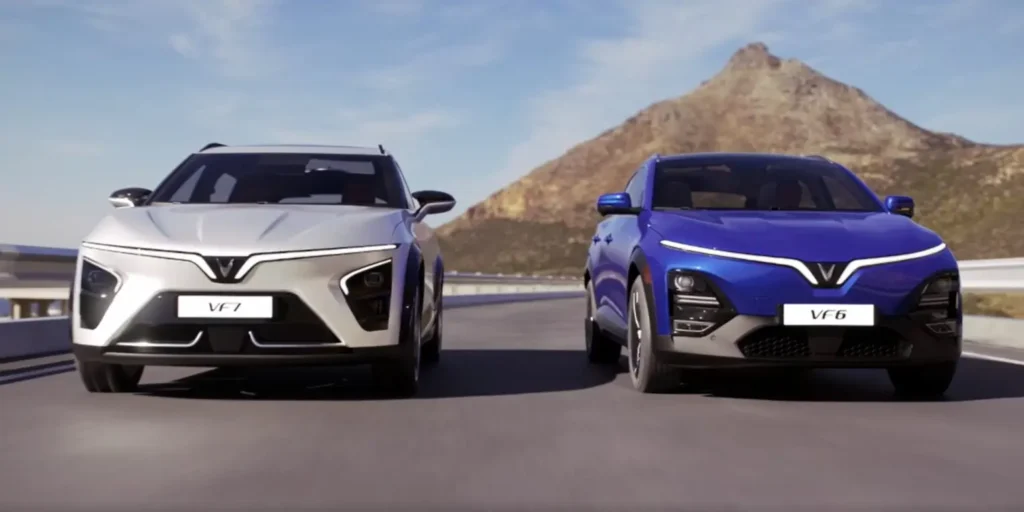
VinFast to Enter Electric Scooter Market in 2026. The Vietnamese EV-maker VinFast has already made headlines by launching electric cars in India (such as the VF 6 and VF 7). Now the company plans to expand into electric two-wheelers — that’s scooters — by 2026.
With India being one of the largest two-wheeler markets globally, this is big. If VinFast delivers — workable prices, good battery/performance, service network — it could shake up both the traditional petrol scooter crowd and the existing electric-scooter players.
What VinFast Has Announced (so far)?
- VinFast Asia CEO, Pham Sanh Chau, confirmed the plan: the company aims to launch electric scooters in India in 2026.
- The firm is doing a feasibility study — assessing road & weather conditions, consumer preferences, charging infrastructure, pricing sensitivity.
- Dealers already selling VinFast cars have shown interest in becoming two-wheeler dealers as well — which could help build a distribution network quickly.
- The expected launch window is sometime in 2026, possibly aligned with the second quarter or later in the year.
So yes — this is real planning, not just a distant proposal.
What Scooters Could Look Like — from Vietnam to India
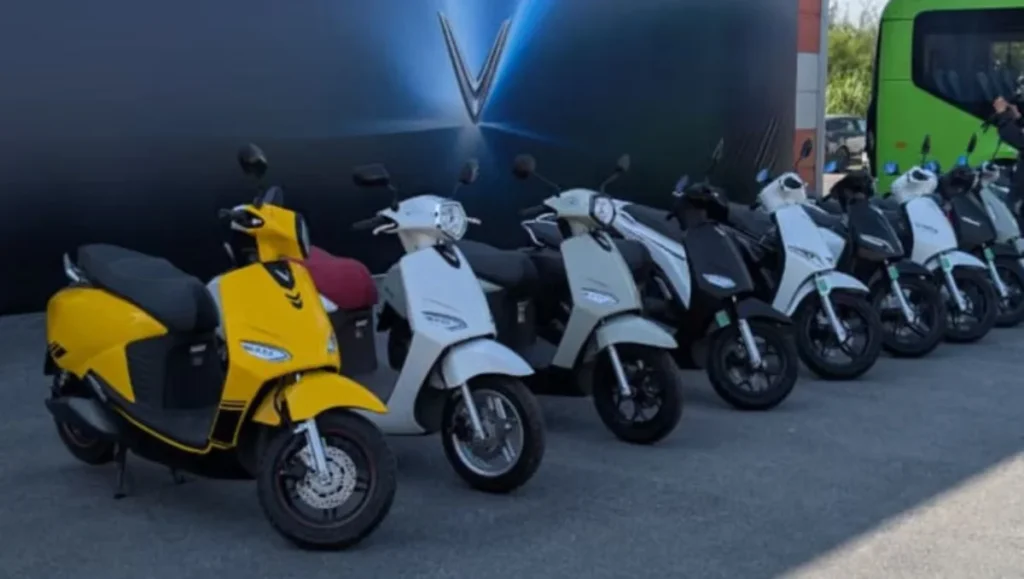
VinFast already sells several electric scooter models back home (Vietnam / South Asia). Models like Evo, Feliz, Klara, Vero are reportedly under consideration for India.
But don’t expect a simple copy-paste. VinFast knows India is different: traffic, road quality, and weather, price expectations— all require tweaks. The feasibility study is meant to figure those out before launch.
If VinFast gets it right, a competitive scooter — with good range, reasonable charging/battery, and pricing that makes sense for Indian buyers — would be a powerful new option.
What This Means for Existing E-Scooter Makers and the EV Market
India’s electric two-wheeler space already has active players: Ather Energy, TVS Motor, Bajaj Auto, Ola Electric and several others. A global player entering this space could raise the stakes significantly.
- More competition could push innovation: better battery tech, longer range, improved build, maybe even mid-range EV scooters that don’t cost too much but deliver more.
- Prices could become more competitive. If VinFast aims for mass adoption, volume plus competition will pressure other makers to rethink pricing or features.
- Infrastructure push could get stronger. A major entrant might lobby for better charging, better after-sales support, or collaborate with governments — which benefits all scooter-EV buyers.
In short: it could make the e-scooter market more dynamic and consumer-friendly.
What VinFast Needs to Get Right — and What Could go Wrong
No big plan is without risk. Here’s what needs to align for success:
- Local adaptation — Indian roads are tough. Rough patches, long distances, different climates. Cars sometimes struggle; scooters more so. Scooter models will need to be tested heavily for durability.
- Price vs quality balance — Even EV-interested buyers judge value carefully. Battery range, maintenance costs, charging access — if these don’t meet expectations, acceptance may be slow.
- After-sales network — Electric vehicles need strong service and charging infrastructure. Dealers for cars are one thing; two-wheelers need fast service, spare parts, widespread coverage.
- Regulatory & incentive clarity — EV policies, subsidies, licensing rules, battery recycling laws — these must be friendly and stable. Government support often influences buyer willingness.
- Consumer trust & perception — Being a “foreign brand” launching scooters may face skepticism. VinFast must build trust with marketing, test rides, transparent warranties to persuade buyers.
If these align, VinFast’s entry could reshape the scooter-EV market. If not, it could struggle — even with global experience and capital behind it.
Broader Implications: Why This Matters Beyond Just Scooters
VinFast’s push into electric scooters is part of a bigger vision — full electric mobility ecosystem in India. Alongside scooters, the company is reportedly planning electric buses and even ride-hailing services by 2026.
This suggests a future where EVs aren’t niche urban experiments — but part of mainstream transport: cars, bikes, buses — maybe even taxis under VinFast’s brand or partners.
For India, that could mean:
- Faster EV adoption across segments (not just premium cars or high-end scooters)
- More pressure on charging infrastructure, battery supply, grid support — which could drive related industries (renewables, battery manufacturing, recycling)
- Greater choice for buyers — those who want affordability, those seeking premium EVs, and even those who want full mobility services without owning vehicles
Essentially — this could accelerate the electric-mobility shift in India beyond what we’ve seen so far.
What We Still Don’t Know — and What to Watch for Next
Because the plan is still in early phases, a few things remain unclear:
- Which models exactly will be launched in India (among VinFast’s global scooter lineup)
- Final expected price range — key to mass adoption
- Battery specs, charging time, range under Indian driving conditions
- Timing — will it be early 2026, mid, or late 2026? Feasibility study and regulatory approvals could shift timelines
- How VinFast will build support infrastructure: servicing, spare parts, charging stations, dealer network expansion
Track announcements by VinFast in first half of 2026. That’s when serious details should emerge.
Final Thoughts: This Could be a Welcome Shake-Up — but with Cautious Optimism
VinFast to Enter Electric Scooter Market in 2026 is more than a plan — it’s a signal. A signal that big global EV players see India’s two-wheeler EV segment as vital. That alone speaks volumes about how fast things are changing here.
If VinFast plays its cards right — with competitive pricing, well-adapted models, good after-sales support — it could push the industry forward. For buyers, that means more choices, better technology, and perhaps a smoother path to moving away from petrol and towards clean mobility.
But as with all big moves, there’s a catch: execution. Launching scooters isn’t as glamorous as launching cars, but often the first place where EVs live with real users — on streets, under sun, through dust, rains and traffic jams. If VinFast builds for that reality, Indian buyers may get a real boost. If not — it could just be another failed bid.
For now, “VinFast to Enter Electric Scooter Market in 2026, it could shape how we ride, pay for fuel, and think about mobility in the years to come.
FAQs – VinFast to Enter Electric Scooter Market in 2026
FAQ 1. Is VinFast really bringing scooters here in 2026 or is it just talk?
From what I’ve seen, it’s actually happening. Their Asia head basically said, “yes, that’s the plan.” Of course, companies say things and timelines shift, but this one seems pretty far along — not just a random idea tossed in the air.
FAQ 2. Do we know which VinFast scooters India might get?
Not exactly. They’ve got a bunch of scooters in Vietnam already, and a few of those seem like candidates. But honestly, they’d have to tweak them. Our roads, the heat, the traffic… stuff behaves differently here. So whatever they bring will probably be a modified version, not a straight import.
FAQ 3. Should Ola or Ather be worried?
It depends on how VinFast prices things. Indian buyers are brutal when it comes to value for money. If VinFast nails the basics — range, durability, price — then existing brands might have to sharpen up. But if they get even one thing wrong, people will just shrug and stick to the brands they already trust.
FAQ 4. Any clue what the price might look like?
Honestly no. Anyone guessing right now is just throwing numbers around. Even VinFast probably won’t know until they finish testing here and figure out what it actually costs to build and support the scooters locally.
FAQ 5. What about the range? People always ask that first.
The Vietnam models show decent range on paper, but you know how that goes — real range is always lower. Our stop-go traffic and hotter weather chew up battery life faster. So the final number will depend on how much they tune the scooter for Indian riding.
FAQ 6. Will charging these scooters be a headache?
Could be, could not be. Depends where you live. Metro cities are getting better, but other places still have gaps. If VinFast decides to set up some chargers of its own or tie up with someone, then early users won’t struggle too much. If they leave it to “the market,” people may have to plan their routes a bit.
FAQ 7. How will VinFast handle service for scooters?
That’s actually a big question. Servicing two-wheelers is a different game compared to cars. Some of their existing dealers apparently want to take on scooter service too, which would help. But scooters need more touchpoints — more frequent repairs, more small fixes. So they’ll have to expand quickly.
FAQ 8. What’s the biggest risk for VinFast here?
Probably misreading what Indian scooter buyers expect. People want good range, but they also want a price that doesn’t sting. And the scooter has to survive potholes, rains, summer, everything. If VinFast overestimates what people will pay, or underestimates how rough our roads are, things could go sideways fast.
FAQ 9. Will this change the EV-scooter scene?
Most likely, yeah. A new global player entering tends to shake the tree a bit. Brands already here might speed up updates or adjust pricing just to stay ahead. Even if VinFast takes time to settle in, the competition alone usually helps customers.
FAQ 10. Should someone wait for VinFast or just buy now?
Depends on your situation. If you actually need a scooter for daily use, there’s no point delaying a year or two. But if you’re just browsing or planning ahead and your current ride still works fine, keeping an eye on this launch isn’t a bad idea. More choices never hurt.
—