Why the Maruti Jimny Failed in India: Full Market Breakdown for SUV Buyers
Understanding Why the Maruti Jimny failed in India requires looking closely at the Indian SUV market, customer priorities, pricing expectations, and the vehicle’s real-world performance. When the Jimny first arrived, it created significant buzz due to its global reputation as a compact off-roader. Many buyers expected a rugged yet practical SUV that could compete with mainstream models. However, the excitement didn’t translate into long-term demand. This detailed analysis explains exactly why the Maruti Jimny failed in India and what lessons future models can learn from its performance.
Why the Maruti Jimny Failed in India: The Core Reasons
The biggest reason Why the Maruti Jimny failed in India was its pricing compared to what it offered. Indian SUV buyers evaluate value very differently from global markets. While international markets appreciate compact off-roaders, Indian customers expect spacious cabins, powerful engines, and strong everyday practicality. The Jimny, despite its charm, did not align with these expectations.
Many buyers felt the 1.5-litre petrol engine lacked the performance needed for city and highway driving, especially with the added weight of the five-door layout. Although the engine was smooth and reliable, it didn’t match the power output offered by competitors in similar price brackets. This mismatch influenced how quickly demand dropped after the initial excitement.
Pricing and Perceived Value
Pricing plays a crucial role in the Indian automobile market. One of the major reasons Why the Maruti Jimny failed in India was its premium price tag during launch. Buyers found the cost unjustified when comparing its features and performance with other SUVs. Competitors offered more space, more power, or diesel variants for similar or even lower prices.
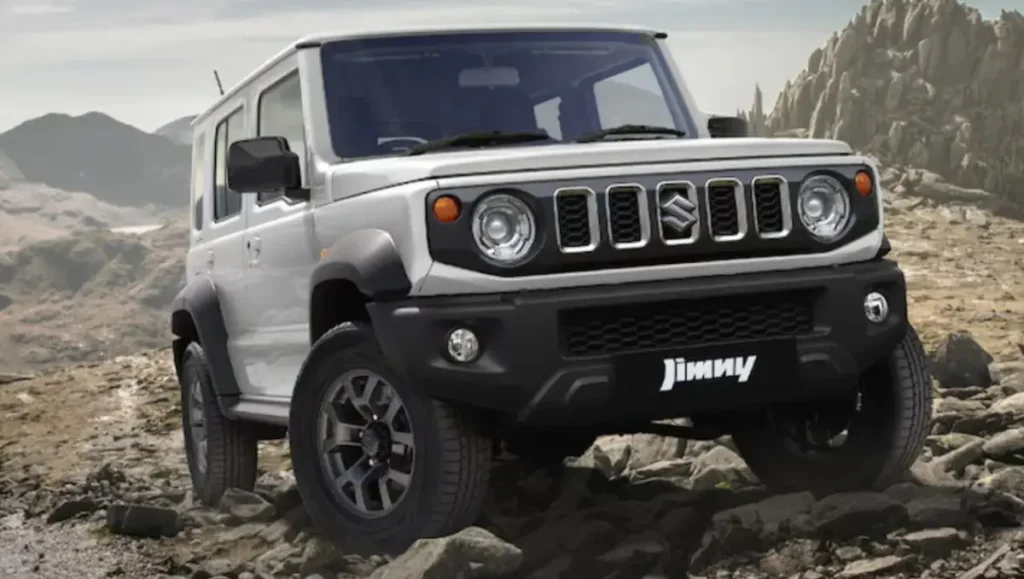
The Jimny’s niche, lifestyle-SUV identity didn’t appeal to the mass market, where practicality often outweighs adventure-focused features. Although enthusiasts understood the value of a proper off-roader, the wider audience did not see the Jimny as a sensible daily-use family SUV, especially considering its limited boot space and narrow body.
Limited Cabin Space and Practicality
Interior space is a serious consideration for Indian customers. Another reason Why the Maruti Jimny failed in India was the limited practicality inside the cabin. The rear seats were upright and less spacious than those found in competing compact SUVs. The boot size was also too small for family travel, which significantly reduced its appeal as a primary car.
Even though the five-door design was introduced specifically for India, the overall interior space still could not match family-SUV expectations. Buyers who were excited initially realized after test drives that the Jimny did not feel roomy enough for daily family usage, which pushed many towards other brands offering larger interiors.
Performance Limitations for Indian Conditions
Performance is an important factor when studying Why the Maruti Jimny failed in India. While the SUV excelled off-road, most Indian buyers rarely drive in such conditions. Daily driving demands strong acceleration, effortless overtaking, and responsive power delivery—areas where the Jimny’s engine felt modest. The naturally aspirated petrol engine, combined with the weight of the four-wheel-drive system, resulted in slower acceleration compared to rivals.
This was especially noticeable on highways and hilly terrains. Many owners reported that the SUV struggled when fully loaded, which further impacted its reputation among everyday users.
Feature Offering Compared to Rivals
The standard feature list did not impress mainstream buyers either. In a market where even budget SUVs offer large screens, powerful speakers, connected-car technology and advanced safety features, the Jimny offered only essentials. This contributed significantly to Why the Maruti Jimny failed in India because buyers expected modern conveniences at this price point.
Other SUVs in the same segment provided ventilated seats, panoramic sunroofs, larger displays, and more airbags—all of which influenced customer decisions.
Market Positioning and Confusing Identity
One of the most notable reasons Why the Maruti Jimny failed in India is its uncertain identity. It was marketed as a rugged lifestyle SUV, but most Indian buyers prefer multifunctional family SUVs. The Jimny’s strengths—off-roading capability, compact body, narrow dimensions—didn’t resonate with mainstream consumer needs.
People who truly needed strong off-road capabilities were a very small audience. For everyone else, the Jimny didn’t feel like a complete package compared to what competitors offered.
Strong Global Success but Weak Domestic Fit
Interestingly, the Jimny remains highly successful in several international markets. This contrast helps illustrate Why the Maruti Jimny failed in India. In countries where compact off-roading is common and valued, the Jimny’s size and design make perfect sense. However, in India, where roads range from narrow lanes to highways, families prefer more interior space and more powerful engines.
This difference in market expectation created a gap between global popularity and domestic acceptance.
Competition with Stronger, More Practical SUVs
The Indian SUV market is extremely competitive. When studying Why the Maruti Jimny failed in India, it becomes clear that SUVs like the Brezza, Nexon, Fronx, Sonet, and Venue offered more value in terms of power, features, and space. Even buyers who initially booked the Jimny switched to other options after comparing test drives.
Competition also offered more attractive designs, better fuel efficiency and superior overall performance—making it harder for the Jimny to stand out.
Lessons for Automakers
The reasons Why the Maruti Jimny failed in India offer several lessons:
- Pricing must be aligned with customer expectations
- Lifestyle SUVs should still offer essential practicality
- Performance must match both terrain and usage needs
- Feature lists must meet segment standards
- Interior space remains a top priority
- Marketing must focus on realistic buyer needs
Final Thoughts
To summarize Why the Maruti Jimny failed in India, the SUV struggled mainly due to pricing, limited space, modest performance, fewer features and mismatched market expectations. It remains an excellent off-roader, but the Indian SUV audience prioritizes everyday comfort, power, and practicality over pure ruggedness. While the Jimny may not have become a mass-market success in India, it still holds a strong appeal among enthusiasts and remains a respected global model.
FAQs – Why the Maruti Jimny failed in India
1. Why did the Maruti Jimny fail in India despite global popularity?
The Maruti Jimny failed in India mainly due to its high pricing, limited practicality, modest engine performance and lack of features compared to rival compact SUVs, even though it remains highly popular in global markets.
2. Was the pricing a major reason for the Jimny’s poor sales in India?
Yes, pricing played a significant role in why the Maruti Jimny failed in India. Many buyers felt that the SUV was overpriced for the performance, space and features it offered, especially when compared to similarly priced competitors.
3. Did the Jimny’s engine performance affect its success in India?
Yes, the naturally aspirated 1.5-litre petrol engine felt underpowered in several conditions, particularly on highways and steep inclines. This performance gap contributed to why the Maruti Jimny failed in India.
4. Is lack of interior space a reason behind the Jimny’s failure?
Limited cabin and boot space played an important role in why the Maruti Jimny failed in India. Buyers expected a more spacious family SUV, but the Jimny’s compact design did not match typical Indian utility needs.
5. Did competitors impact the Jimny’s performance in the Indian market?
Absolutely. Strong rivals offering more power, features, space and better value significantly overshadowed the Jimny. This competitive pressure is one of the key reasons why the Maruti Jimny failed in India.
6. Why didn’t Indian buyers appreciate the lifestyle-SUV appeal of the Jimny?
The Indian market prioritises practicality, comfort and features over pure off-road capability. The niche lifestyle positioning limited its appeal, shaping the outcome of why the Maruti Jimny failed in India.
7. Could more features have changed the Jimny’s market performance?
Possibly. A richer feature list—such as a larger touchscreen, sunroof, advanced safety tech and better creature comforts—might have reduced some criticism and improved the chances of the Jimny, but core issues still influenced why the Maruti Jimny failed in India.
8. Was the Jimny’s fuel efficiency an issue for buyers?
Fuel efficiency wasn’t a major complaint, but the lack of a diesel engine option was. Many buyers in this segment still prefer diesel for torque and long-distance performance, which contributed indirectly to why the Maruti Jimny failed in India.
9. Why did the 5-door Jimny not suit Indian families?
Even with five doors, the Jimny provided limited rear-seat comfort and a very small boot. These shortcomings were critical in deciding why the Maruti Jimny failed in India, as most families prioritise space and versatility.
10. Are there lessons automakers can learn from the Jimny’s failure in India?
Yes, automakers can learn that Indian buyers expect strong pricing, performance, space and features even in niche SUVs. Without meeting these expectations, even iconic models risk outcomes similar to why the Maruti Jimny failed in India.
—